Feeds:
Posts
Comments

Posts Tagged ‘artistatexit0’

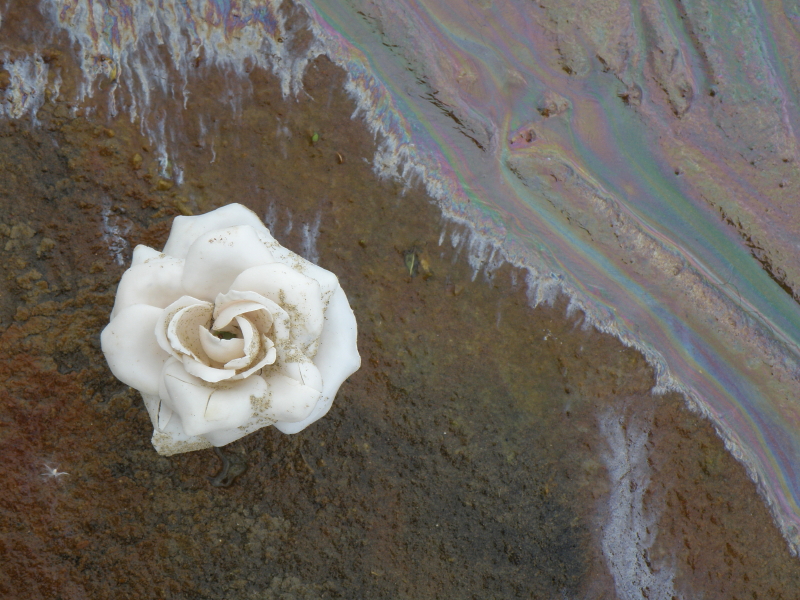
Chemical Rose, Falls of the Ohio, 2013

Following is a unique portfolio of never before published images of the latest Unnatural Flowers that have bloomed at the Falls of the Ohio.  This follows a previous article on this riverblog (see…”Unusual Flora at the Falls of the Ohio”, Jan. 13, 2013) that first exposed the bizarre flora that have adapted to this highly disturbed site on the Ohio River.  It is speculated that these new organisms are able to metabolize  decaying plastic in novel and sometimes disturbing ways.  Characteristic of these faux flowers is a lack of photosynthetic leaves.  It is believed that the energy utilized by these plants is created from breaking plastic polymer bonds and forming new compounds or by elaborate parasitism.  Examples of both will be highlighted.  Key also are the various petrochemical connections which rhyme historically to a more ancient world illustrated beautifully by the site’s Devonian Era fossils and our culture’s reliance upon oil and coal to power and pollute everything.  It is my belief that these unique forms appearing here are no coincidence.  Let us first acquaint ourselves with various members of the “Chemical Rose” family.  An example of which leads off this post.  Here are more recently found roses.

Chemical Rose variety with rootlets, 2013

This variety appears to have rootlets growing between the plastic-hard rose petals.  As with all “Chemical Roses”…there is no sweet perfume to inhale.
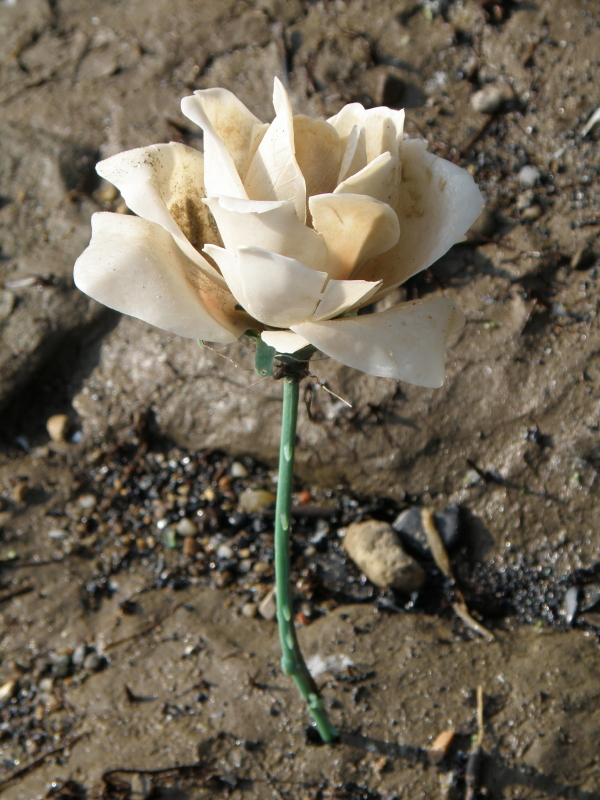
Chemical Rose on thorny stem, Falls of the Ohio, 2013

This “Chemical Rose” example is growing out of the mud on a leafless, thorny stem.  No telling what chemical compositions are co-mingling in this ooze?
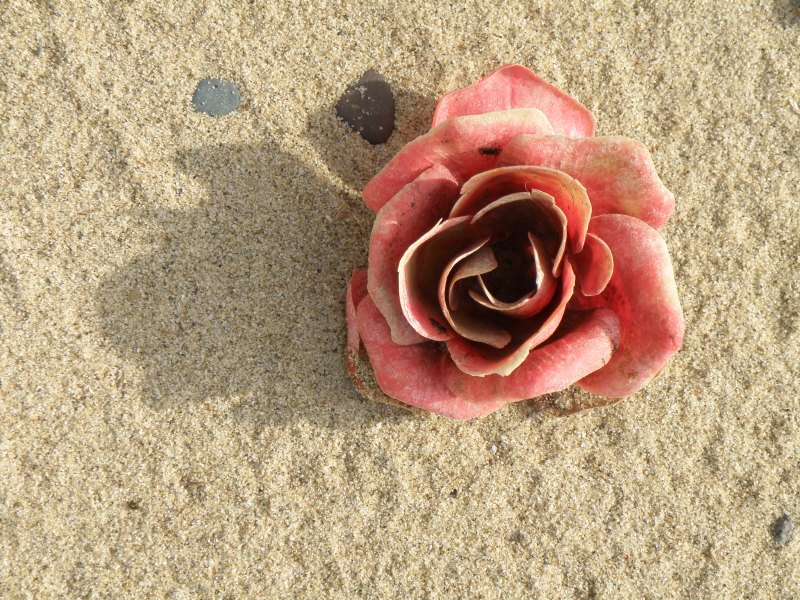
Red Chemical Rose of the sand variety, 2013

This ” Red Chemical Rose” has adapted to growing on sand.  While the next example has synthetic, fabric-like petals.  It does add a beautiful yet bittersweet presence to the landscape.
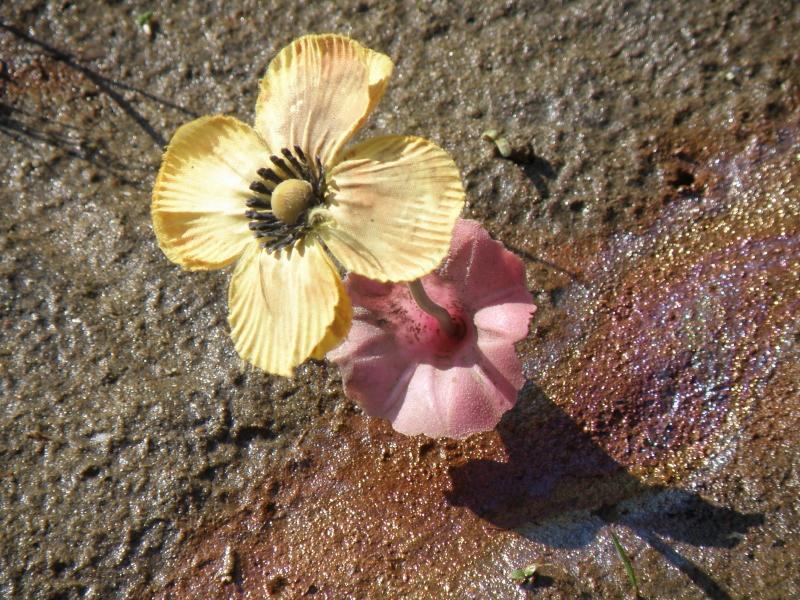
Petrochemical Petunia, Falls of the Ohio, 2013

This “Petrochemical Petunia” is a late Spring oddity and prefers moist, iridescent sand and full sunlight.  It presents as a completely synthetic, hybrid blossom.  It is not clear at this time if some pollinating agent is necessary for its propagation.

Little White Polymer Phlox, Falls of the Ohio, 2013

Imagine my surprise upon discovering this “Little White Polymer Phlox” growing from the ruined wood on this stump.  This specimen was found very close to the water and in an area that  floods frequently.  The phlox needs just the right temperature and water content to break down this former tree’s cellulose matrix to make the nutrients it needs to grow.
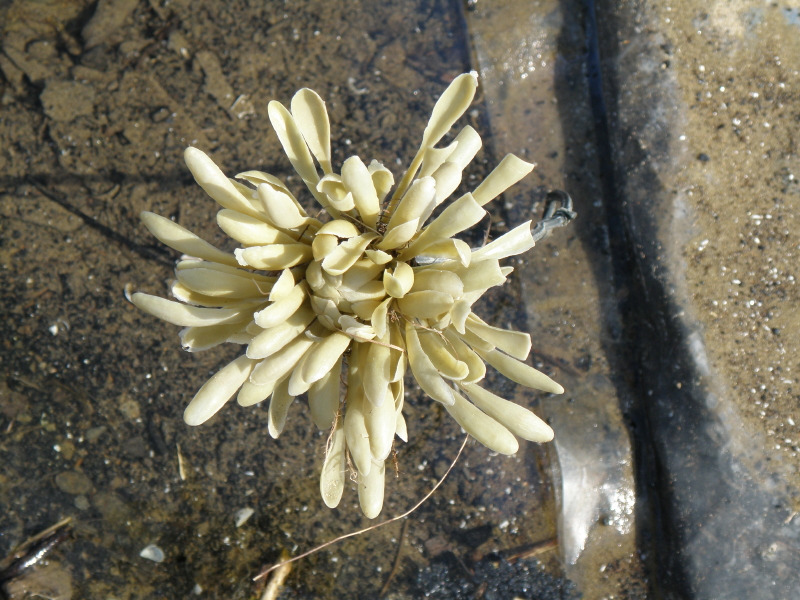
Chemical Chrysanthemum, Falls of the Ohio, 2013

Also growing in poor wet soil is this florid “Chemical Chrysanthemum”.  Among its requirements are a warm, CO2 rich atmosphere and coal which washes up within the Falls of the Ohio State Park from the frequent barge traffic that moves up and down the Ohio River.
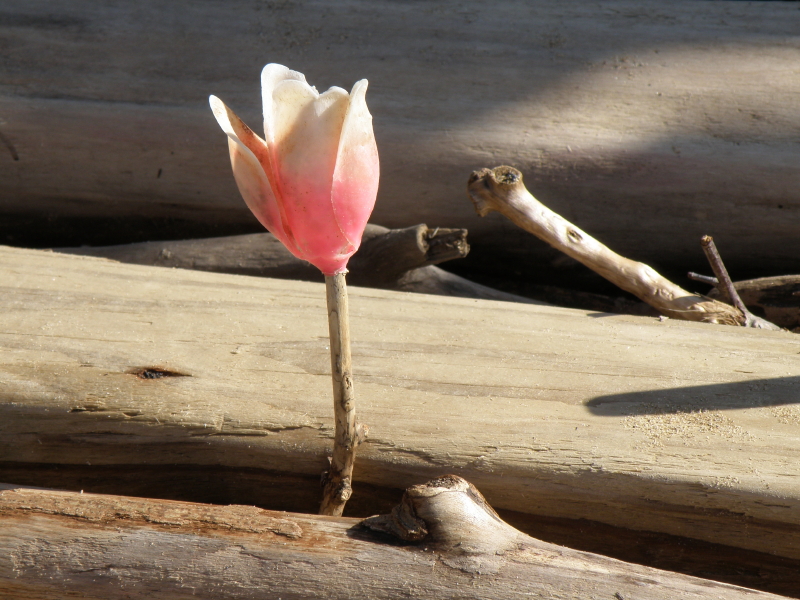
The Driftwood Tulip, Falls of the Ohio, 2013

Growing between the beached and bleaching logs is this aptly named “Driftwood Tulip”.  It can appear at any time and shows itself briefly upon its woody stem before sinking back into the riverbank from whence it came.

Epiphytic Mimic, Falls of the Ohio, 2013

For a lack of a better description…this plant had temporarily been named the “Epiphytic Mimic” because it presents like some of our true orchids.  This specimen may have flowered recently.   Its green leaves do not perform photosynthesis.  It hangs out and receives moisture and nutrients through a complex system of fine polymer rootlets.  And now…for something a little different.  The following unnatural flowers appear to be parasitic, but patient study may find them to be more complex and perhaps even symbiotic by nature?
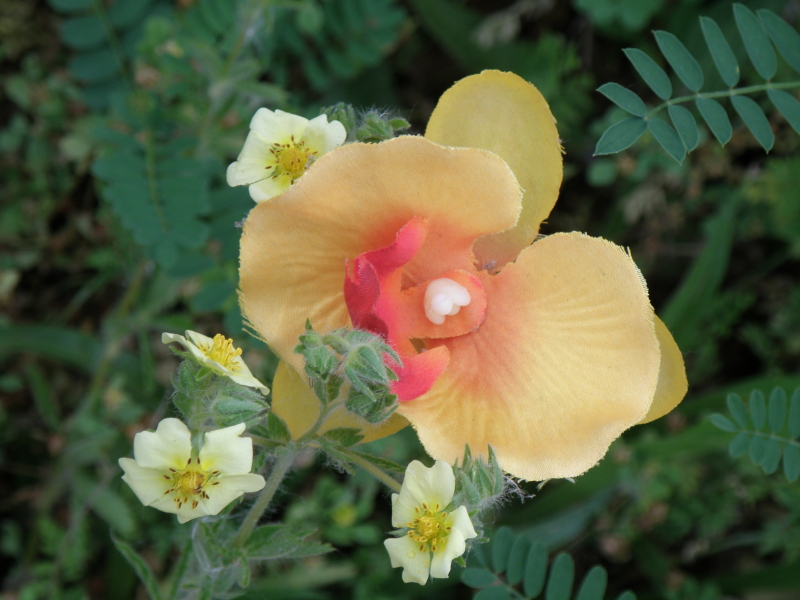
Yellow Fabric Pansy on Primrose, Falls of the Ohio, 2013

The “Yellow Fabric Pansy” in this photo appears to be hitching a free ride on a primrose flower.  The same relationship can be found on this “Pink Blossoming Indigo Bush”.
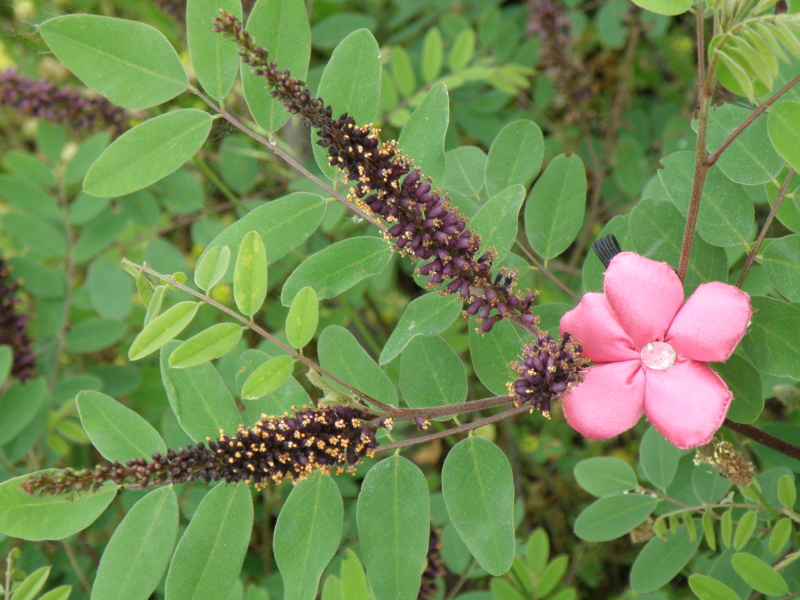
Bling's Indigo Bush in flower, Falls of the Ohio, 2013

The pink flower with the rhinestone-like center is unlike the rest of this flowering and indigenous shrub.  Next we come to the “Augmented Moth Mullein”.
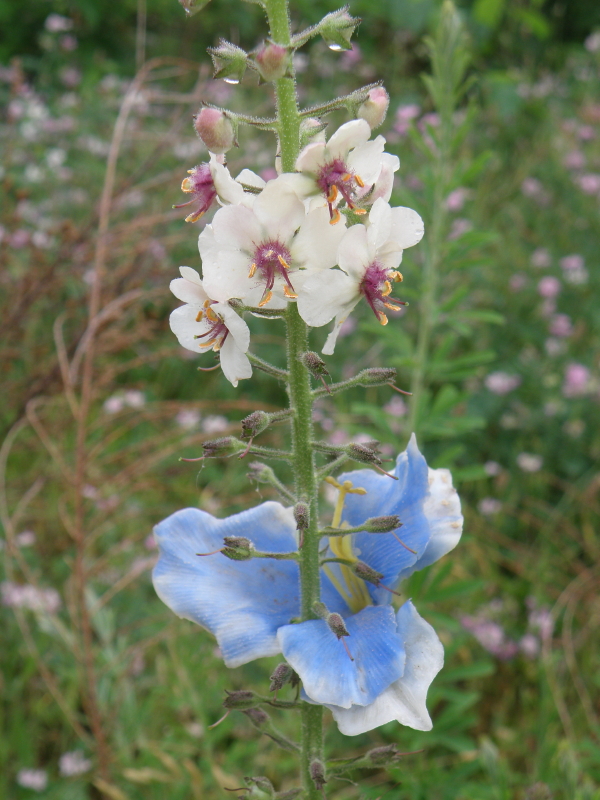
Augmented Moth Mullein, Falls of the Ohio, 2013

The prevailing thinking about how some these strange flowers acquire their petrochemicals is through ultraviolet decomposition of man-made plastics. On the microscopic if not molecular level…these tiny compounds recombine with the existing plants’ DNA.  Here’s another fine example.

Yellow-flowering Pokeweed, Falls of the Ohio, 2013

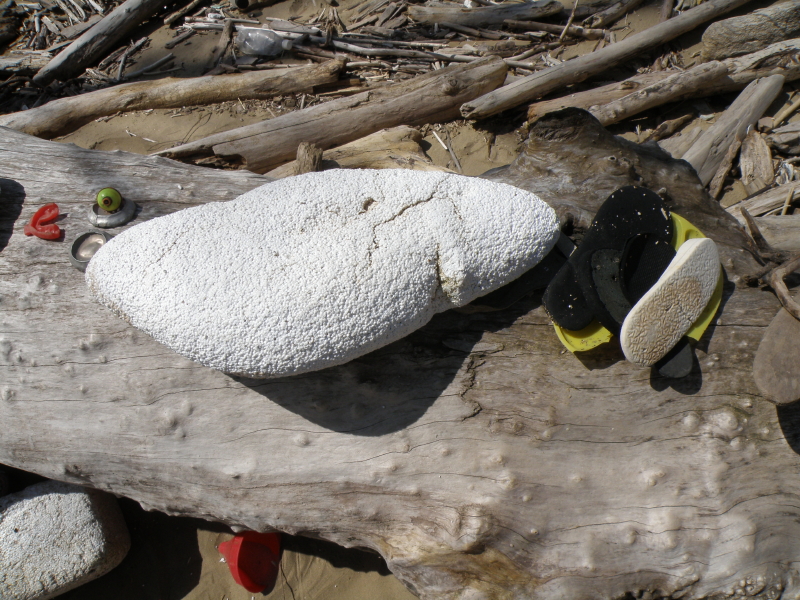
Like the previous plant, the “Yellow-flowering Pokeweed” is a recombined hybrid and favors appearing in the early summer.  Traditional pokeweed plants produce weak looking white flowers that will transform into dark, pigment intense berries in the Fall.  It is not certain how this plant will respond, but I have my eyes on it.  In closing, I would like to present one more image that illustrates the tremendous crossover potential of plastic polymers and living tissue.  Thus far, this is the only example of a “Mushroom Flower” that I have come across and the only unnatural fungus that I have discovered at the Falls of the Ohio State Park.  No doubt other species are out there just waiting for a trained botanist to reveal to all.  As the environment warms and the normal weather patterns change, the natural rhythm of life will be altered, however, life may prove to be the most plastic and resilient of all.
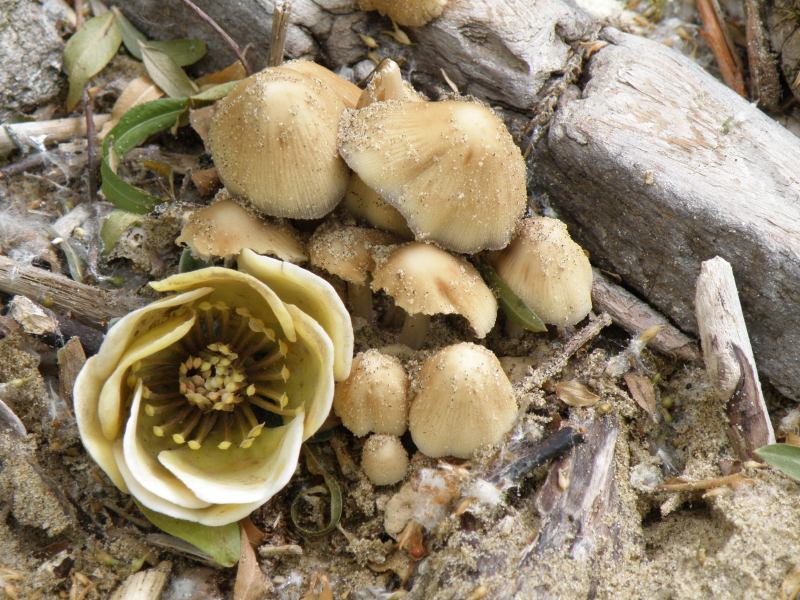
The Mushroom Flower, Falls of the Ohio, 2013

Read Full Post »

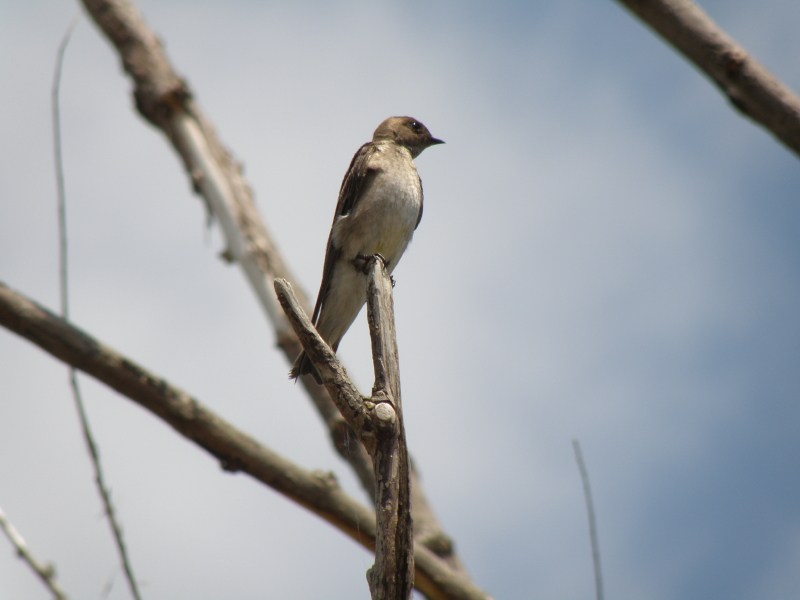
Northern Rough-winged Swallow, Falls of the Ohio, 2013

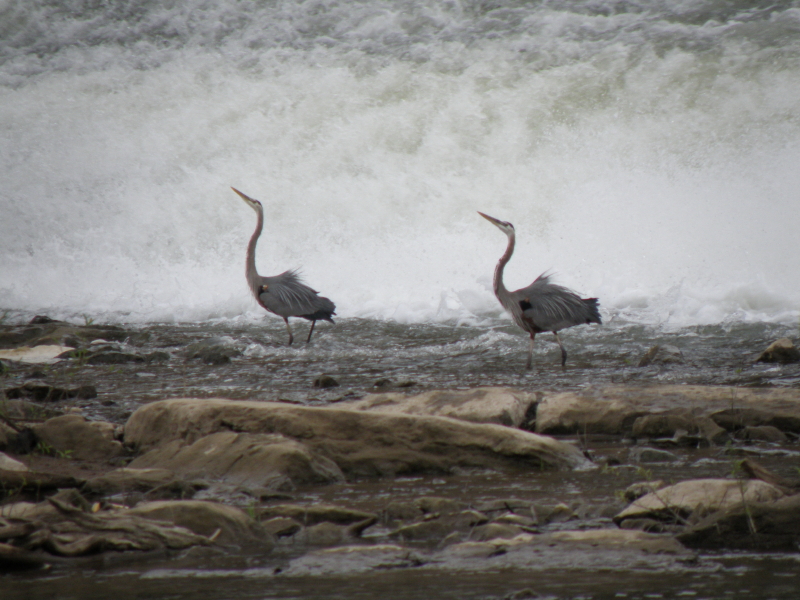
I’ve had some interesting birding encounters of late at the Falls of the Ohio and so I thought now is an opportune time to post them.  I took this image of the Northern Rough-winged Swallow recently.  To my eye, this species seems to be on the increase as is its cousin, the more familiar Barn Swallow.  This is especially good since they eat big quantities of flying insects.  Herons (especially Great Blue Herons and Black-crowned Night-Herons) are abundant and since the fishing has been good of late…I’ve seen plenty of both species.  Here are two more recent images.  The first is of a pair of Great Blue Herons that were taking advantage of the recent Skipjack Herring run.

Great Blue Heron pair, June 2013

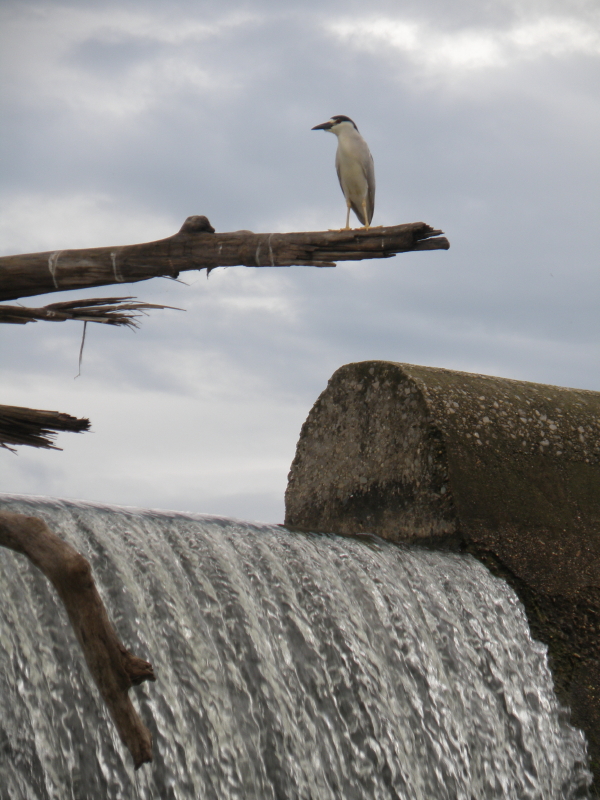
The most common heron here is the Black-crowned Night-Heron.  They are considerably smaller than the Great Blues and have striking red eyes.  You can find them wading in the shallower waters looking for fish, crayfish, or small frogs.  This image was taken in the eastern section of the park and this bird was perched on a log stranded on top of the dam’s wall.

Black-crowned Night Heron at the Falls of the Ohio, June 2013

I’ve saved the two most interesting avian encounters for last.  A couple of weeks a go, I was sitting at my outdoor studio under the willow trees when I heard the sound of a young bird pleading for food.  Looking around, I was able to find the hungry bird and I snapped this picture of it.

young Brown-headed Cowbird, June 2013

I recognize that this is the young of the Brown-headed Cowbird.  What is fascinating about this species (and the two other species of cowbirds in North America) is that the adults do not raise their own young.  Cowbirds parasitize the nests of other bird species.  In the case of the Brown-headed Cowbird they have been known to lay their eggs in the nests of about 200 different species of birds.  Usually, the young Brown-headed Cowbird out competes the host specie’s nestlings.  I was curious to see who this bird’s “parents” were and it didn’t take long to find out.

Brown-headed Cowbird chick and Carolina Wren, Falls of the Ohio, June 2013

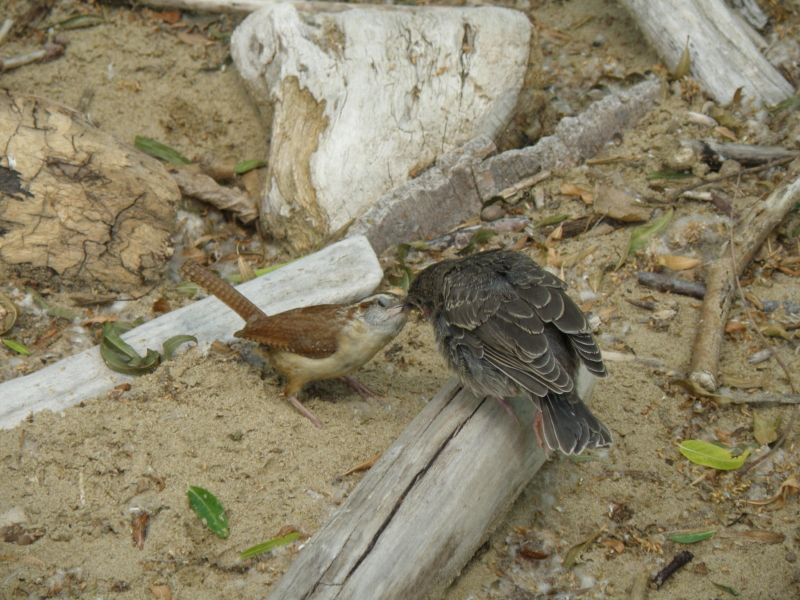
In the case of this cowbird chick it is being raised by a hardworking pair of Carolina Wrens.  The baby is nearly double the wren’s size and vibrates its wings along with calling out to stimulate the wrens to feed it.  Here are a couple more pictures of the wren feeding the cowbird.

Carolina Wren feeding a Brown-headed Cowbird chick, Falls of the Ohio, June 2013

Carolina Wren and Brown-headed Cowbird chick, June 2013

In case you were wondering, cowbirds are not the only species to lay their eggs in other bird’s nests.  In Europe, the cuckoo also does this, but parasitizes fewer species.  I often wonder how does the cowbird know it’s a cowbird especially if it is raised by a completely different species?  Obviously, some behaviors are “hard-wired” and innate .  In the early Spring, Brown-headed Cowbirds are early arrivals and always on the look out for other breeding species of birds and their nest sites.  Their courtship is not a thing of beauty with each drab Brown-headed Cowbird female usually being pursued by multiple males.  Moving on, here is a recent picture of an adult male and you can see why they are called Brown-headed Cowbirds.

male Brown-headed Cowbird, Falls of the Ohio, June 2013

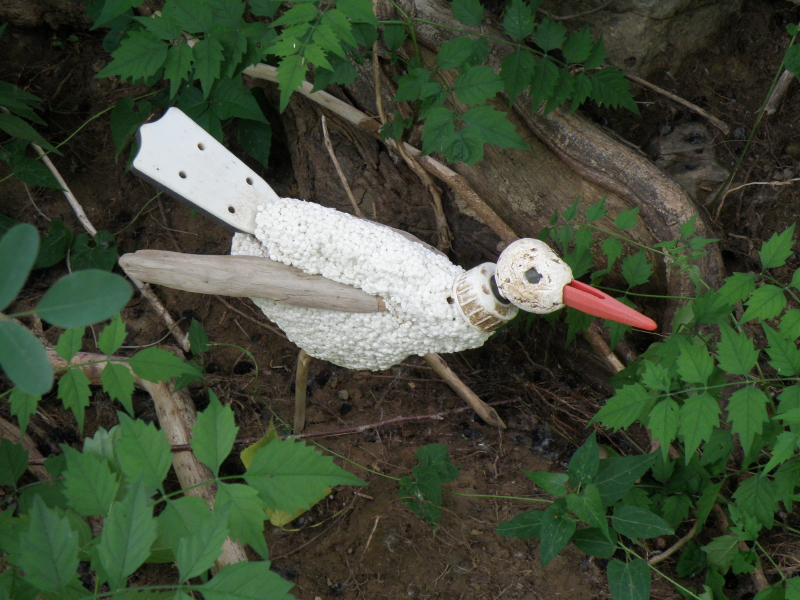
Recently, I was in the far western section of the Falls of the Ohio State Park where I saw my very first Indiana Rail.  Rails are much smaller relatives of the heron family and other wading shorebirds.  The Indiana Rail is a little smaller than a chicken and rarely seen since it favors dense underbrush and is usually more active at night.

Indian Rail at the Falls of the Ohio, June 2013

I was taking a break sitting on the fossil rocks when this bird with a long, bright red bill appeared from among the ever-growing vines.  I held still and was able to record this species with a small series of photographic images.  This bird seemed very interested in the holes situated among the rocks.

Indiana Rail, Falls of the Ohio, June 2013

Indiana Rail, Falls of the Ohio, June 2013

Unlike the cowbirds…both the Indiana Rail male and female participate in raising their own young.  Typically, four or five green mottled eggs are deposited in a loose bowl constructed of decaying river vegetation.  It is believed that the heat generated from this decomposing matter helps to incubate the eggs , but this is still speculative.  There is a lot left to learn about this enigmatic creature.

Head of the Indiana Rail, June 2013

Indiana Rail, Falls of the Ohio, June 2013

I watched the rail for about twenty minutes as it poked around the vines that were beginning to cover the fossil rocks.  Every now and then it would use its strong-looking bill to probe the cracks around the drying mud.  Just as mysteriously as it appeared…it disappeared leaving me with this wonderful memory and a hand full of pictures to prove it was here.  See you later!

Indiana Rail, Falls of the Ohio, June 2013

Read Full Post »

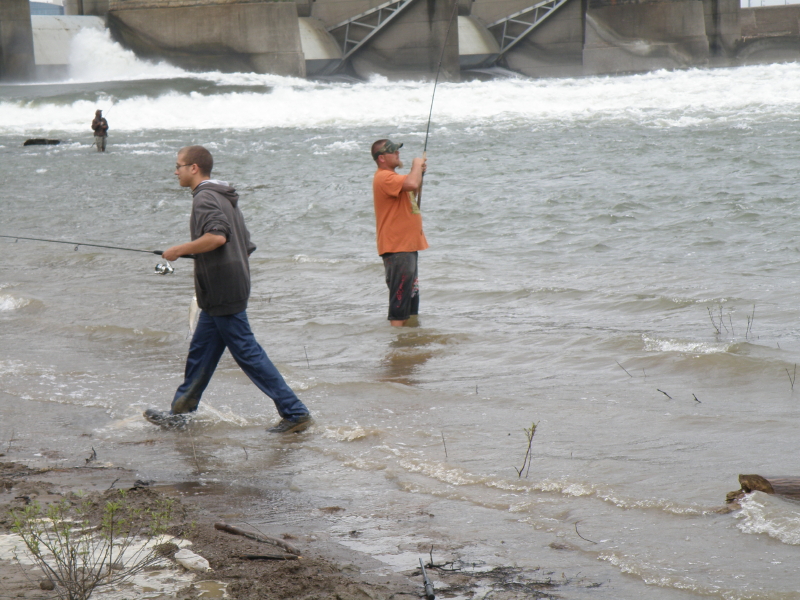
Fishermen, Falls of the Ohio, June 1, 2013

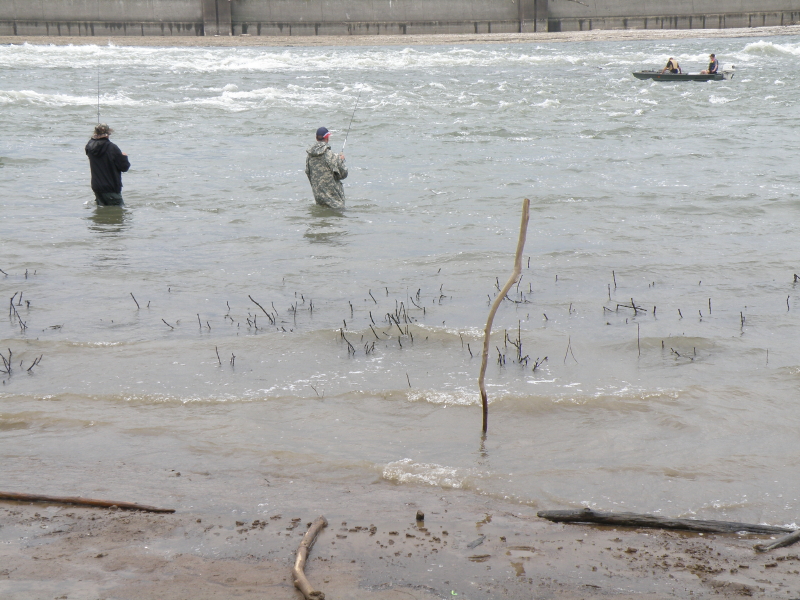
It’s the beginning of June at the Falls of the Ohio.  I arrived at the river to find a dozen or so fishermen that were up on this cool, grey morning before me.  There are both people and boats in and on the water.  Many fishermen are knee to thigh high in the river balancing themselves on the shallow, but rocky bottom.

Fishermen at the Falls, June 2013

The river attracts all kinds of fishermen.  I see people who have lots of fancy, expensive tackle and for the most part they are using light gear for smaller, sporty, quarry.  And then there are the guys that seem more local and blue-collar.  No fancy gear here that the anglers might prefer.  Rather this is a big pole, five gallon bucket, come as you are affair.  Word has probably been passed down the line that the “shad” are running and it’s a good time to catch a mess of fish.

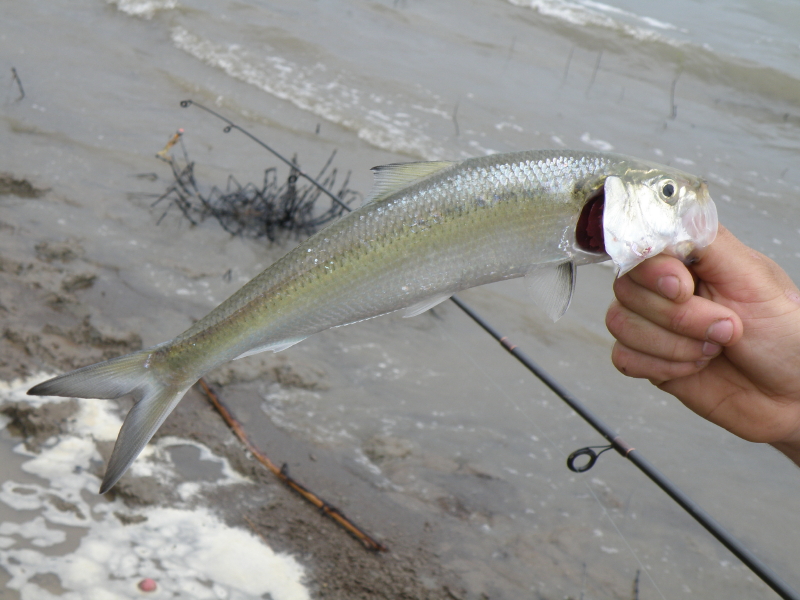
Skipjack herring at the Falls of the Ohio, June 2013

This is the fish of the day…the Skipjack Herring, (Alosa chrysochloris).  This fish was first described by the naturalist Rafinesque in the early part of the 19th century.  It’s an abundant and beautiful fish found in all of Kentucky’s major rivers and up into the Mississippi River too.  The Skipjack is anadromous which means it migrates up rivers from the sea to breed.  During the right time of year large schools of Skipjacks are congregating under the dams and waiting for the chance to move forward.  The Skipjack gets its name from jumping out of the water like a skimming stone in pursuit of the smaller fishes it eats.  At the Falls, the fishermen are catching Skipjacks to use as bait.  The fish is cut into quarters and set upon large treble hooks in the hopes of catching big catfish.  One fisherman told me he witnessed a 30 pound catfish being caught with this method the previous night.  I recently read that these waters were also once home to the Ohio Shad (Alosa ohiensis) which were first described from specimens caught in the Ohio River at Louisville in the late 19th century.  This fish is so rare now that it is on occasion listed as being extinct.  The Ohio Shad was probably not common to begin with.

dead fish, June 2013

Along the water’s edge the smell of dead fish demarcates the air where water and land meet.  The riverbank is littered with the unlucky who through lost scales and exposed bone are returning to the world from which they came.  There was one unfamiliar fish that I came across and I did a series of photos of it.  Here are several views I made of this new fish.

Yellow-fin Carp with skipjack, June 2013

Fish studies, June 2013

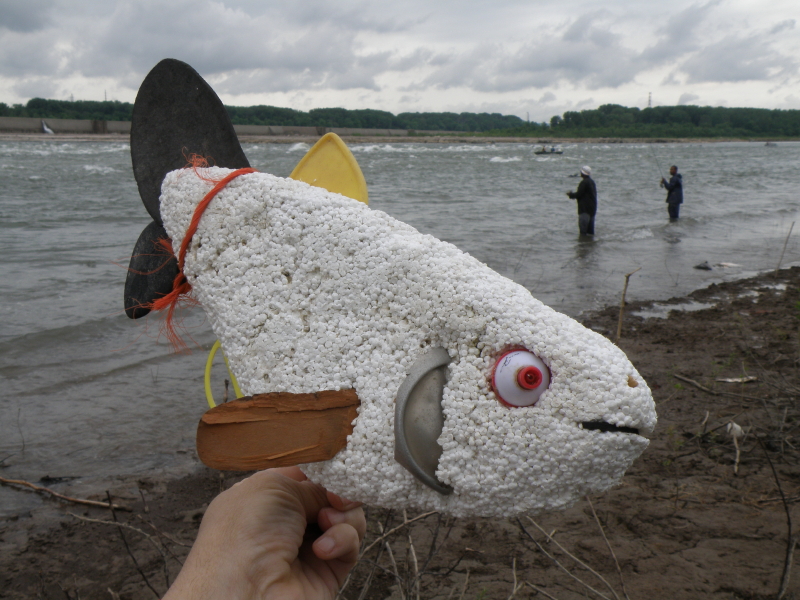
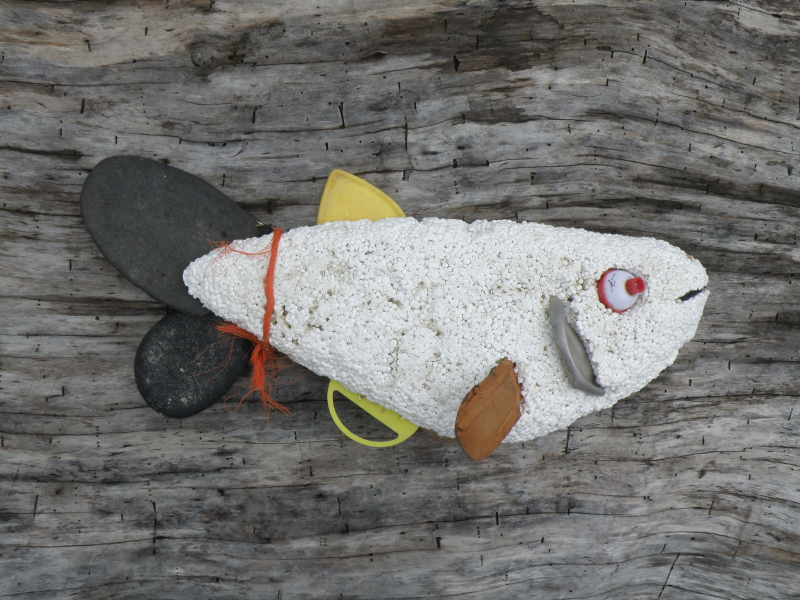
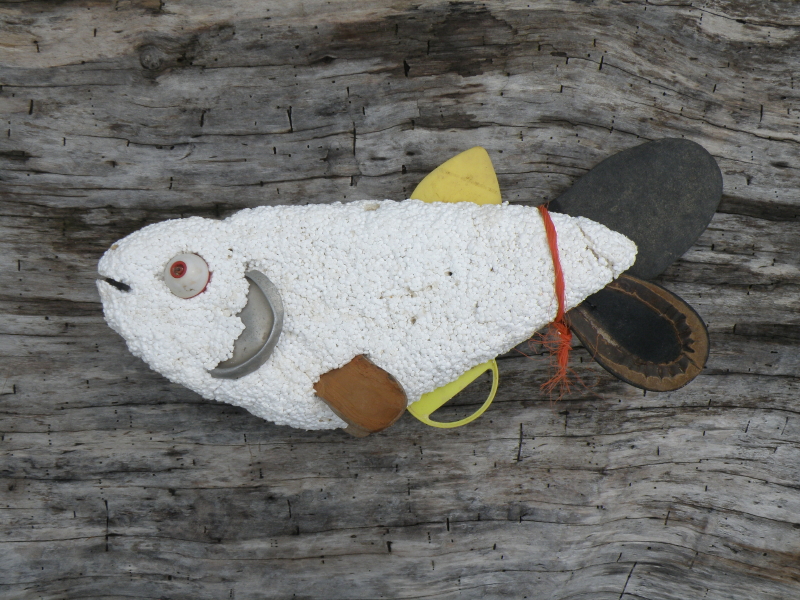
There isn’t anything in the literature about this fish and so I’m going to designate it the Yellow-fin Carp for obvious reasons.  In life, it probably was in the 3 to 5 pound range and I’m surprised it didn’t get cut up for bait as well? It has the tell-tale large eyes that suggest it is a deeper water fish.  It was probably caught by mistake, released, died, and washed up here with the other unfortunates.  Here’s a couple of images made along the riverbank.

Yellow-fin Carp in hand, June 2013

Yellow-fin Carp in hand 2, June 2013

Since this is something you don’t run across out here very often, I thought I would post a few more images that provide a more formal portrait.

Yellow-fin Carp, facing right, June 2013

Yellow-fin Carp, facing left, June 2013

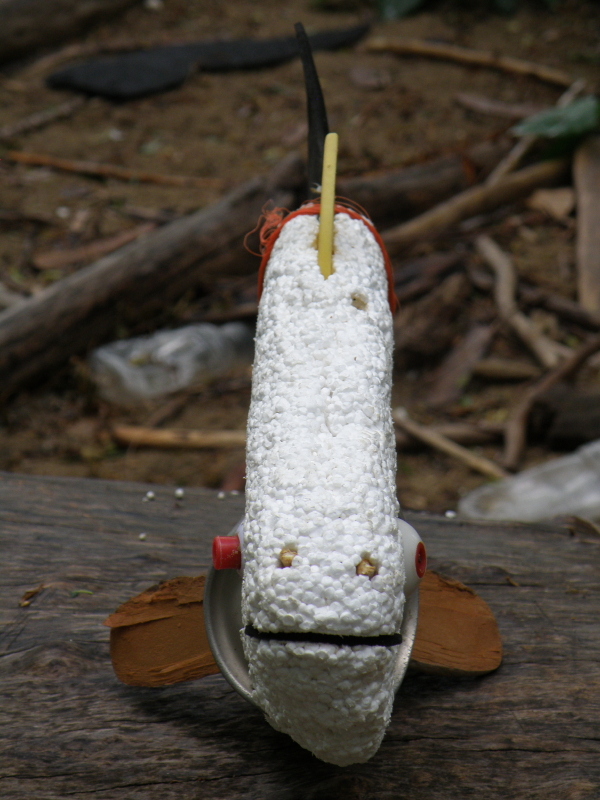
And now for a head-on view of this interesting fish.

head-on view of Yellow-fin Carp, June 2013

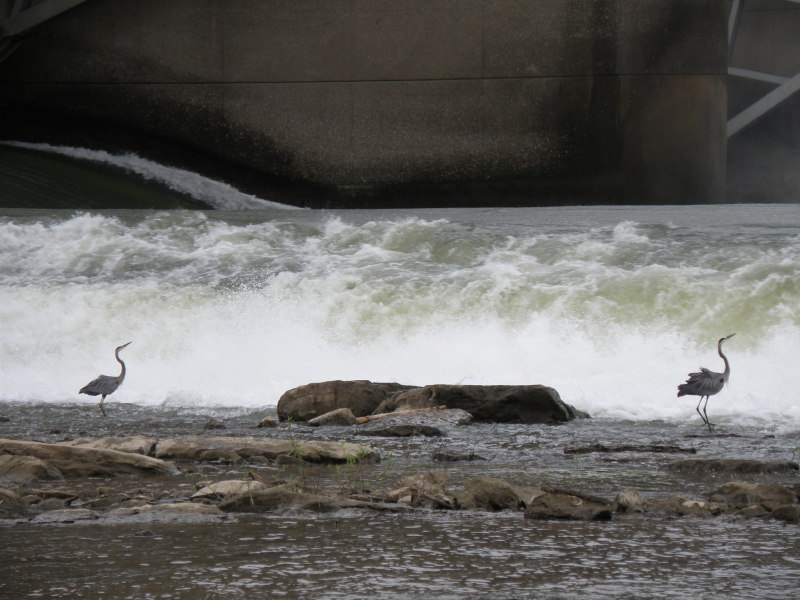
People were not the only animals out here after the Skipjacks.  Several bird species including Ospreys, Double-crested Cormorants, Black-crowned Night Herons, and Great Blue Herons were taking their share.  Here is a heron couple that are set up by the tainter gates in the eastern section of the park.   Between catching fish they mirrored each other in a few courtship moves.

Great Blue Herons by the tainter gates at the Falls of the Ohio, June 2013


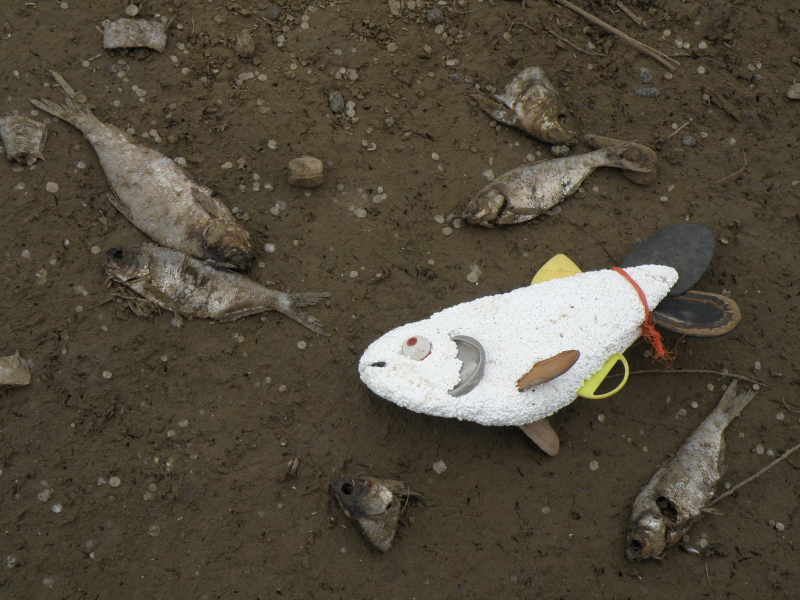
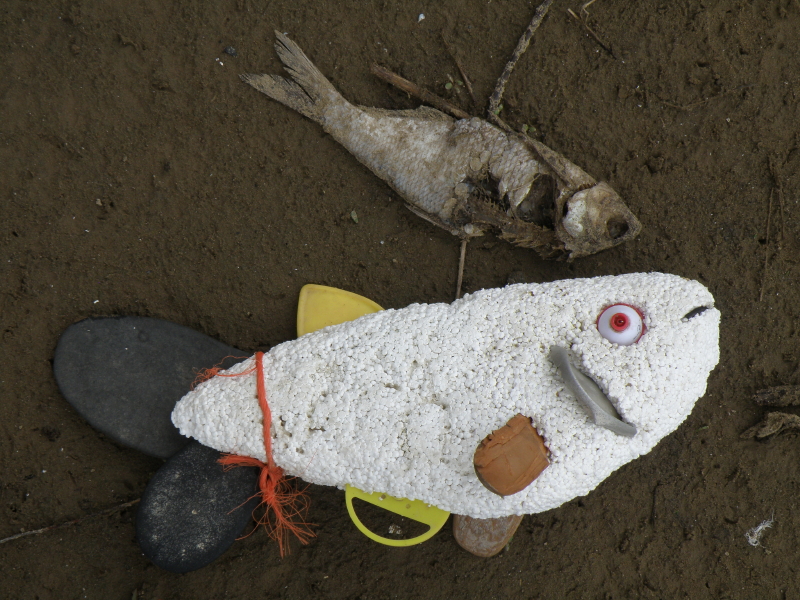
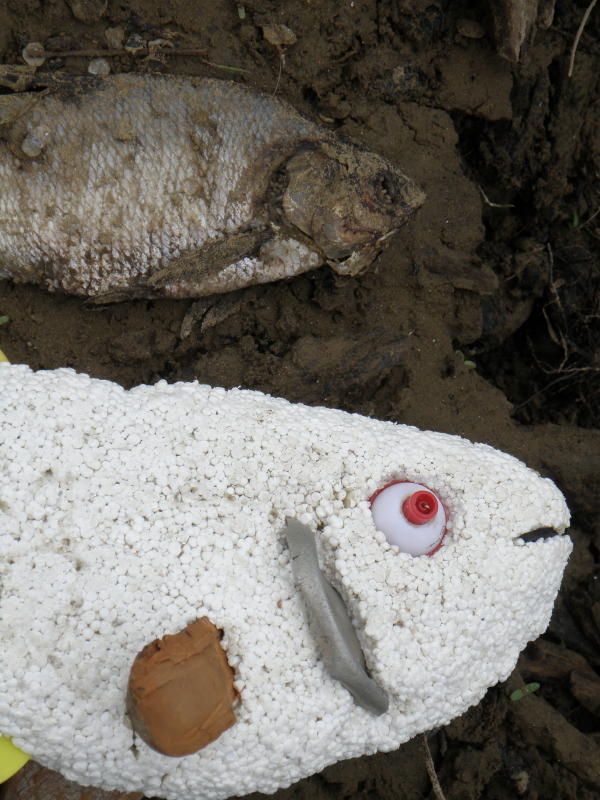
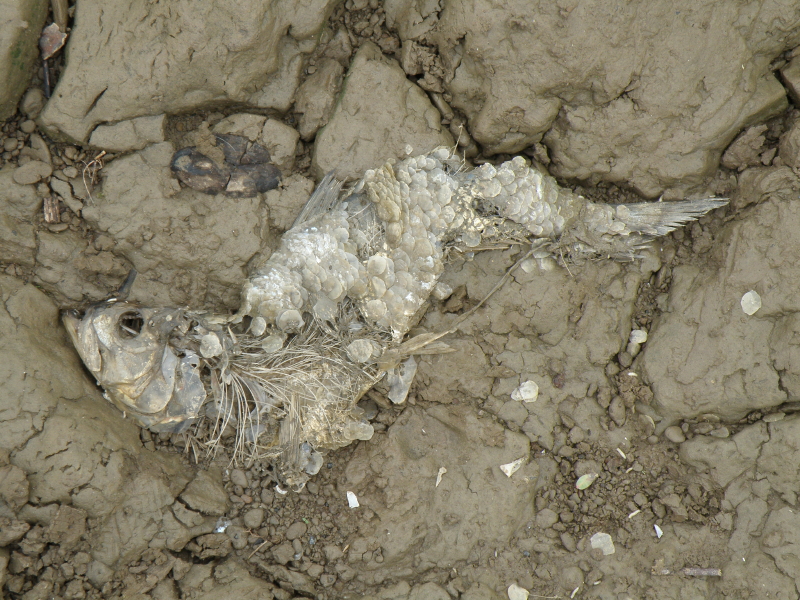
The fossil limestones at the Falls of the Ohio are famous for the diversity of Devonian Age life forms that are preserved within the rocks.  Ironically, the Devonian Age is also known as the age of fishes because they first appear in the fossil record over 350 million years a go.  At the Falls, however, fish are poorly represented in this rock record.  I imagined that if they had preserved as well as other creatures…their remains might look something like this.

dead fish at the Falls, June 2013

Read Full Post »

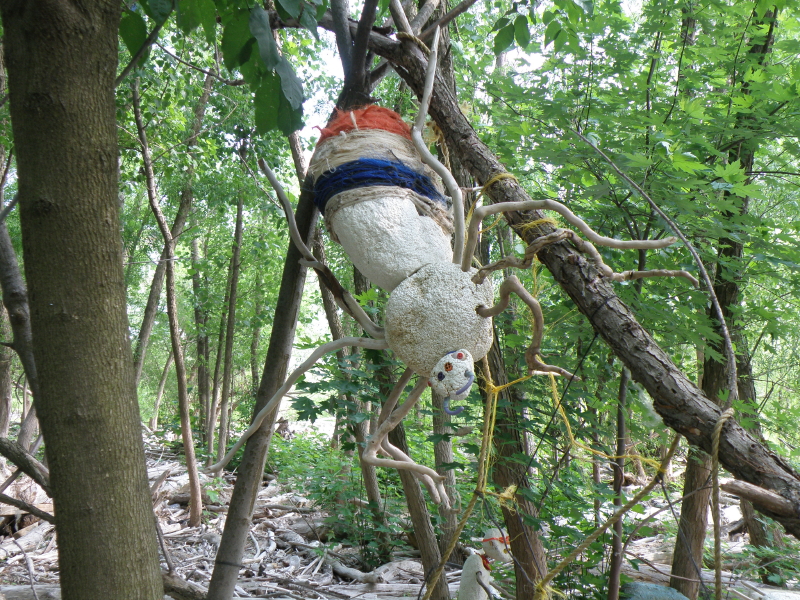
Giant Driftwood Spider on web, June 2013

I couldn’t get my mind off of the Giant Driftwood Spider and so I paid an extra visit to see if it was still around…unfortunately it wasn’t.  I was hoping to get better images, but my original ones will have to do.  Its web near my studio spot, however, was still intact and being effective too!  I also noticed that the cocoons were missing and either they hatched, were taken by some other predator, or were moved by spider mom since their location had been discovered by me?  Although the spider pics in this post are a couple of weeks old by now…these latest web images are more recent.

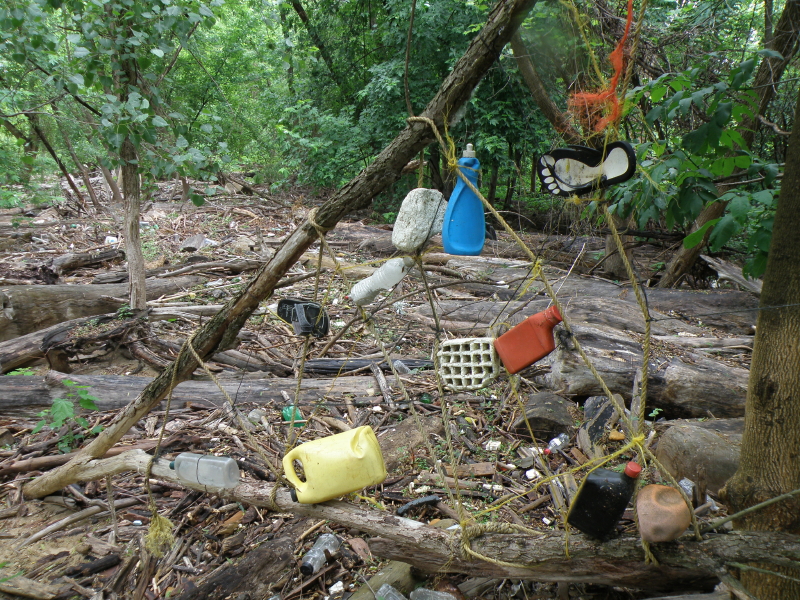
Giant Driftwood Spider web with junk, June 2013

Giant Driftwood Spider web with more junk, June 2013

The web can’t have been abandoned for very long.  I was, however, amazed at all the plastic bycatch that had drifted in and been ensnared in the silk.  We have had some strong winds and storms blow through the area and that is my explanation for how all this plastic wound up being suspended off of the ground.  Most interestingly, much of what the web caught has a petrochemical pedigree.  There were a couple smaller pieces of  Styrofoam, but the majority of the bycatch included plastic oil or antifreeze containers.

plastic bycatch, June 2013

bycatch composition, June 2013

I must also admit to becoming fascinated by the pictorial possibilities that this web with its bycatch presented.  I liked the idea that I could see these shapes seemingly floating on a screen in front of an image of a greater spatial depth.  I was struck by the “art-like” sensations I was feeling studying this web.    I could see a certain play occurring with shapes and colors and even in the relationships between objects.  Is this not an installation piece?  It made me wonder if it was possible for any other animal to make something we could recognize as being art?  I have always felt that for humans, art was an important survival mechanism.  Could it be for other animals as well?  Wasn’t too long a go , we didn’t think animals could even feel pain!  Surely, we are short-changing them in other ways too?

Giant Driftwood Spider, June 2013

If I should happen across this amazing arachnid again…I will see if I can test it in some aesthetic fashion.  Perhaps it could draw me a picture in the sand with each one of its eight legs?  That’s meant as a joke…I’m not sure what I would do to tell you the truth.  Here’s one last image and if you look in the upper left hand corner you can see the Off Road Triker sitting on his ride.  Unfortunately, he didn’t make it and was in the world in this configuration a little less than two weeks total before being thoroughly smashed in the sand.  That’s just the way things go some times at the Falls of the Ohio.

Giant Driftwood Spider in the context of my outdoor studio site, Falls of the Ohio, June 2013

Read Full Post »

vertical and horizontal wood at the Falls, April 2013

When words fail me, my pictures often bail me out.  I’m certainly not much of a  philosopher or poet who can consistently turn just the right phrase.  I suppose this is one reason I gravitated towards the visual arts.  I do, however, try through words and images to create some kind of synthesis that touches upon how human nature intersects with nature at large.  The Falls of the Ohio State Park continues to provide that stage for me and the river offers up many examples where the natural and artificial routinely bump into or meld with one another.  This happens most commonly when we carelessly set free our man-made detritus into the environment.  Following are a few examples I encountered on this outing.

foam deer head archery target, April 2013

Looks like a rock or a piece of wood, but on closer inspection, it’s what’s left of a synthetic deer head used for archery practice.  This head probably once attached to a life-size foam body.  The river has eroded the neck and muzzle away but you can still see an eye spot, ear stub, and a location where artificial antlers could attach.  Once upon a time, this archery target was convincingly realistic.  It’s what’s left of a fake deer where real deer exist.  In the mud very close to this find were actual deer tracks.  Deer have moved into Louisville and it is becoming more common to encounter roadkill within the city’s limits.

toy fantasy horse, April 2013

It’s Kentucky Derby time in the Bluegrass so it is fitting that I find a horse image by the river and what a horse it is!  Shockingly pink with a long flowing mane that cockle burrs and other wayward seeds have become entangled.  How long will it be before our Wizard of Oz science creates real horses of different colors?  I’ve seen that we can already do this with some fresh water aquarium fishes.  Although this toy’s inspiration is the horse…this isn’t a very naturalistic example and was designed to appeal to children.  I bet I could take this horse and plant it in the ground and have some of the attached seeds germinate.

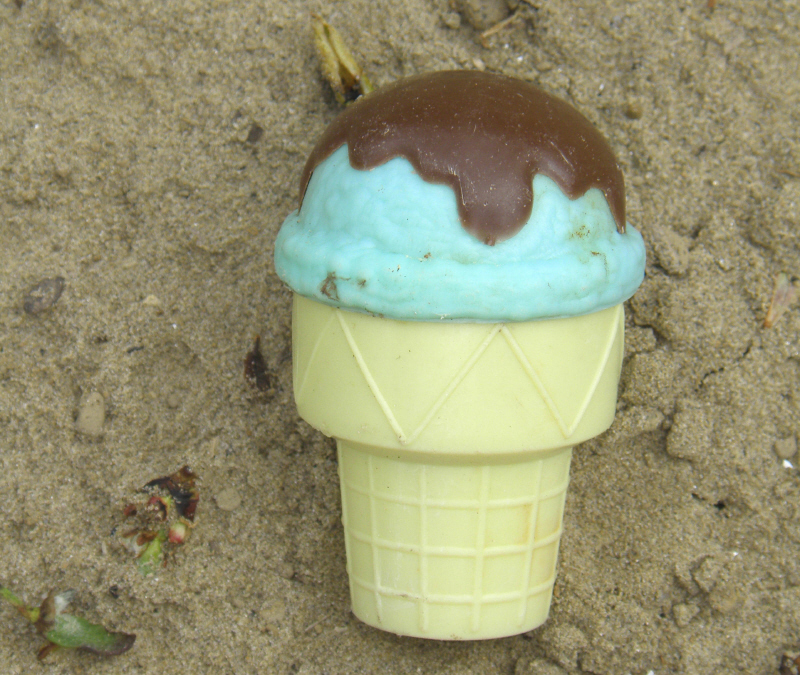
found plastic ice cream cone, April 2013

Because this is tiny, it would be easy to walk over this “prize”. This plastic ice cream cone compliments the small plastic toaster pastry I came across a couple of weeks a go.  I think this might emulate chocolate covered mint ice cream in a wafer cone? I’m still finding plastic fruits and veggies, but I’m also encountering more plastic fake “processed” items including fast food standards like cheese burgers and the occasional petrochemical french fry.

Swept-wing Dove, April 2013

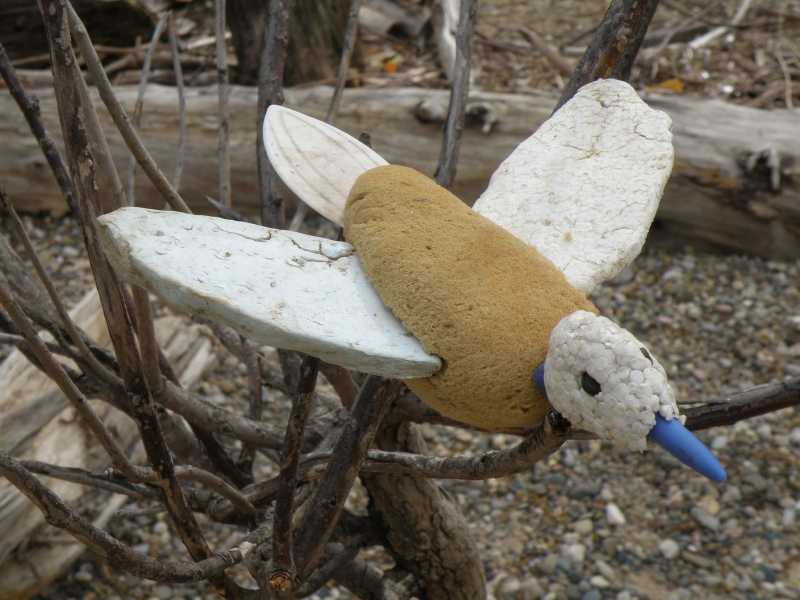
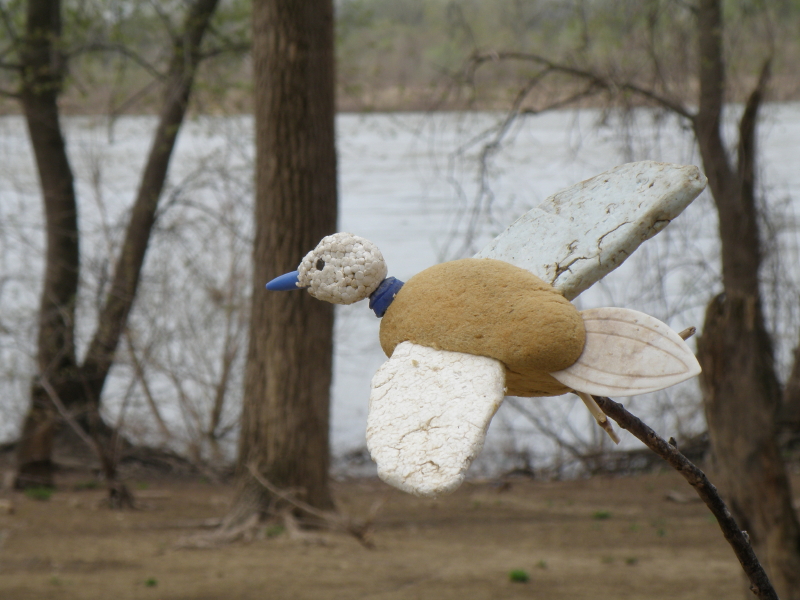
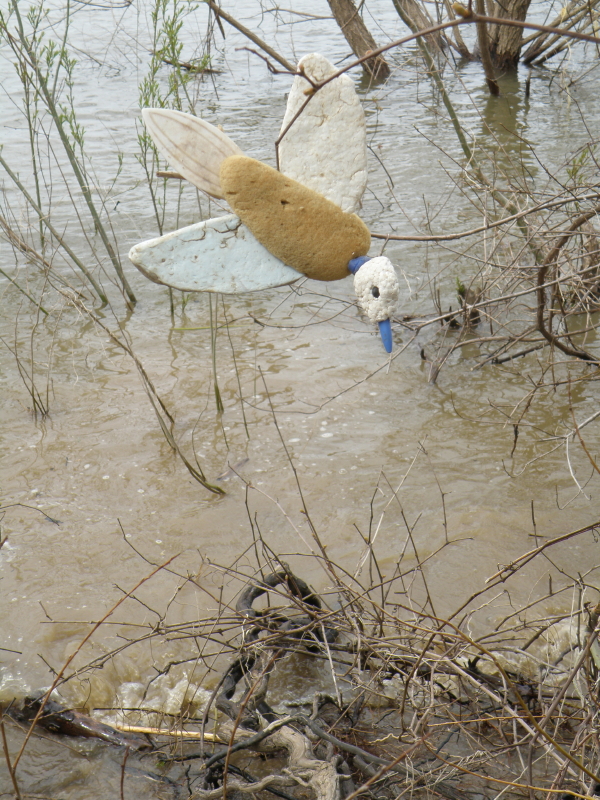
Flying by at great speed and requiring a camera with an extremely fast exposure is the Swept-wing Dove.  This is my latest avian creation.  It’s another fake bird that came together in the context of where Audubon left his footprints.  I casually put this together using found materials which includes plastic, Styrofoam, insulating foam, and I’m not sure what the brown body is made of but it’s some kind of foam as well.  The bill is a pen cap found along the trail.  The forms were shaped by the Ohio River and I used them as is.

Swept-wing dove flying over bottom land, April 2013

Coursing over the bottom land near the river’s edge is my fake bird which is also the habitat of many real birds as well.  The spring migration of neotropical birds heading northward is one of my favorite times of year.  It’s a chance to see species passing through that normally don’t hang out for very long.

Swept-wing dove in flight, April 2013

The insulating foam that forms the right-wing is practically the same value as the river in the distance and causes it to nearly disappear.

April 14, 2013 077_1_1

For thousands of years the river has been a baseline supporting life in the way nature intended.  Now I see a more complicated scene where dislocated images, objects, and substances blur along the shoreline of the conventional. It’s also an odd feeling realizing that much of this trash can also possess a natural beauty of its own.

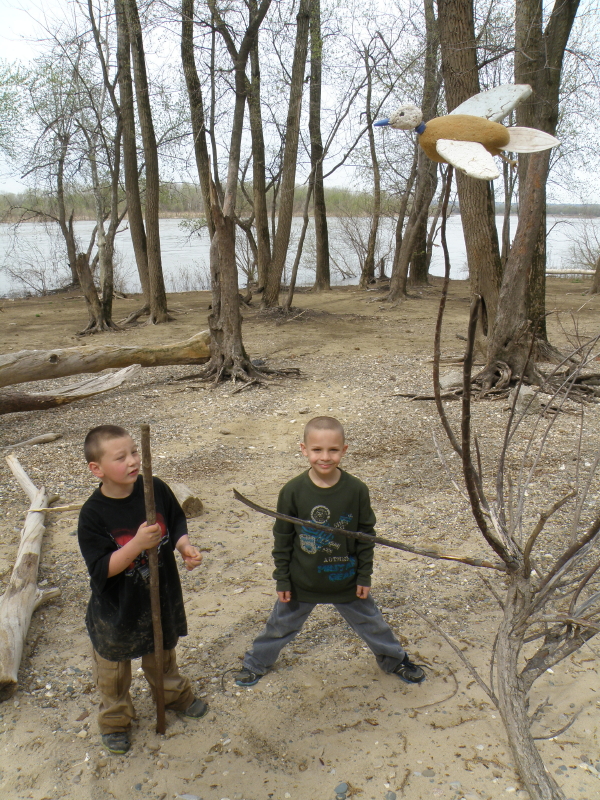
Two local boys with Swept-winged dove, April 2013

Along this stretch of the river I had these two guys tagging along and asking me questions such as “What are you doing?” and “Mr. did you make the bird and what are you going to do with it?  I asked them if they were artists too and one said yes and the other didn’t believe he was.  I later observed them swinging from a stout vine growing along a sycamore tree and playing in their fantasy world.  Their fathers were nearby fishing at the water’s edge.  I will leave now with a fuller look at the tree I often use to gauge how high the river is.

tree with snagged wooden palette, April 2013

Read Full Post »

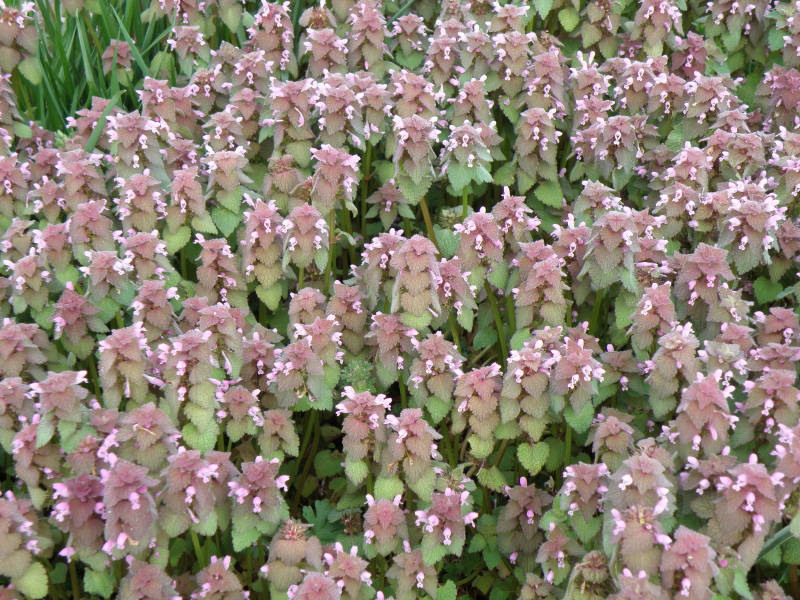
wildflowers, April 2013

Spring has definitely arrived and the land is turning green.  I love watching this verdant transformation as the Falls of the Ohio becomes a garden again.  We had a weary winter and so seeing the sun more regularly warms the heart and imagination.  These are images from my last visit to the park.  I believe I downloaded about seventy or eighty pictures which is about normal for one of my excursions.  I can find personal interest in most everything I come across which makes editing and creating some sort of post a fun challenge.  I spend hours on site and then a good amount of time at home looking at the pictures and wondering how to put order to any of it?  Usually, I try to give some representative sense of what the day was like.  I believe I could create all sorts of permutations and stories from just a single trip…but, that would cut into my time to be outdoors and fill my lungs with fresh air.

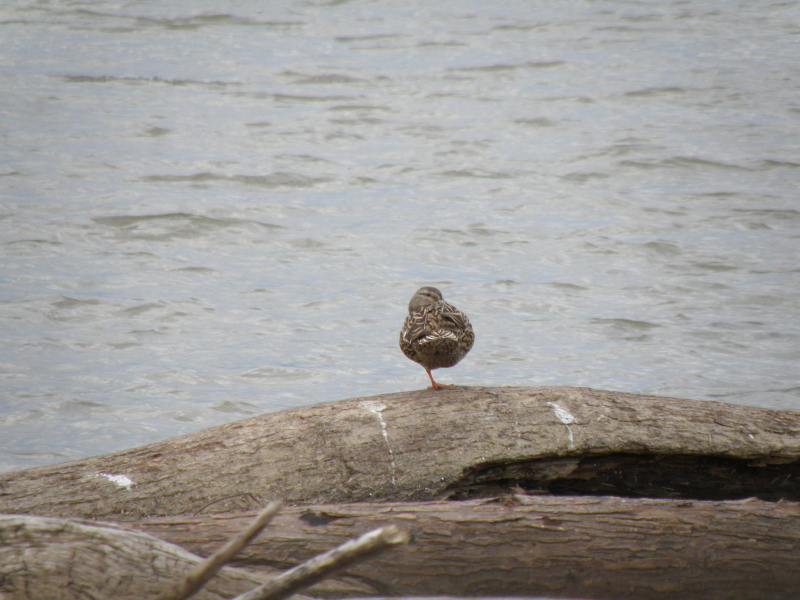
female mallard resting on one leg, April 2013

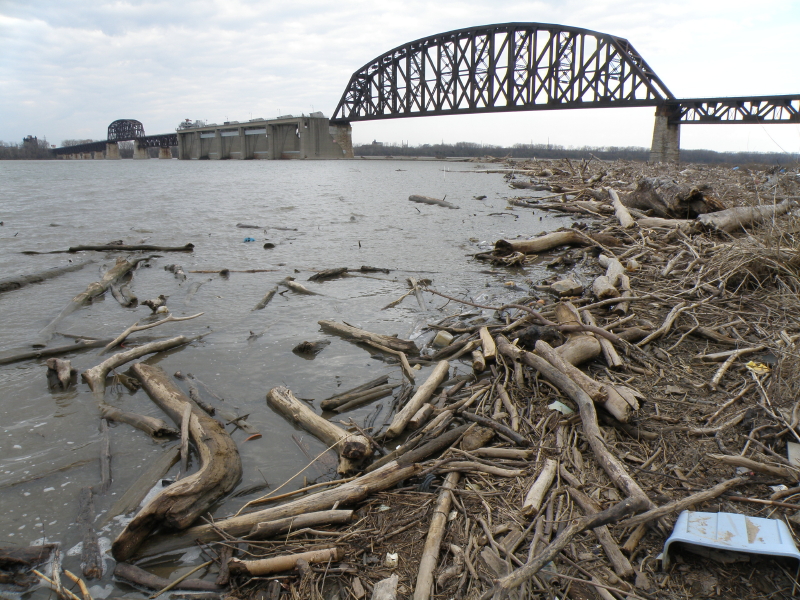
I began the morning in the western section of the park.  Driftwood and junk have been driven against the Indiana bank of the Ohio River.  Prevailing currents and high water have formed this log raft against the shoreline.  Future high water will eventually send this material over the dam and under the railroad bridge and then throughout the park.  Moving to the river’s edge I surprised more than one sleeping duck and see my first Great Egret of the year.  I tried sneaking over the driftwood to take a picture of the egret which was feeding at the water’s edge.  I must be losing my touch because the wary egret spotted me and took off.  This duck standing on one leg, however,  was more obliging.

view from the western section at the Falls of the Ohio, April 2013

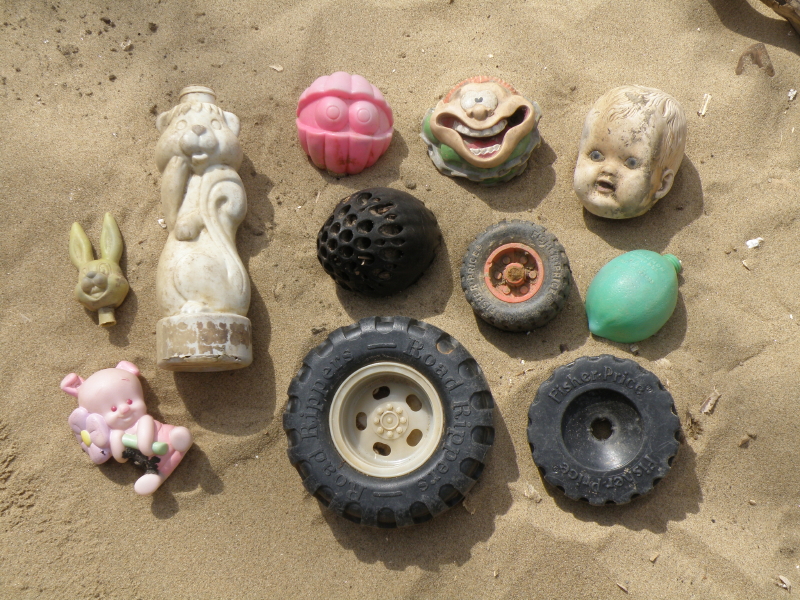
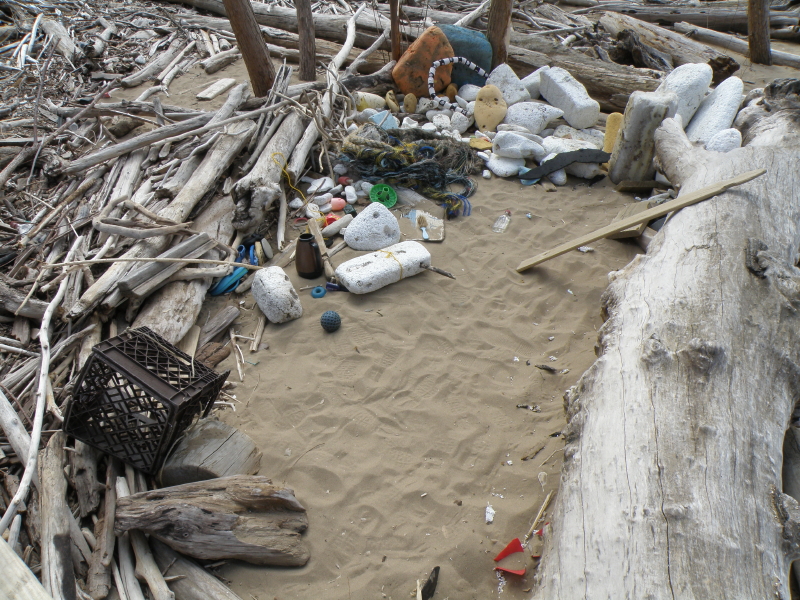
Here’s a view from the western section of the park.  Walking along the water’s edge I came across all manner of bric-a-brac some of which made it into the collecting bag.  Upon returning to my outdoor studio, I photographed a few of my newest “treasures” on the sand which included many toys.  I have a compulsion to pick this stuff up and order it into various collections…but other than that I’m not sure what I will eventually do with much of this plastic.  I am a believer, however, that someday I will have an idea or inspiration and I will follow that.  I still feel there is something here to explore between the poles of what these items are intended to represent and what they are in reality.

a selection of found toys and novelties from the Falls, April 2013

I keep finding toy wheels of all different sizes and slowly an idea for a wall installation is taking place in my mind.  I have an offer to show work in a show during the 2014 season and so I set a goal to realize this “wheel piece”.  Here are two views of one of my more interesting finds of this day.

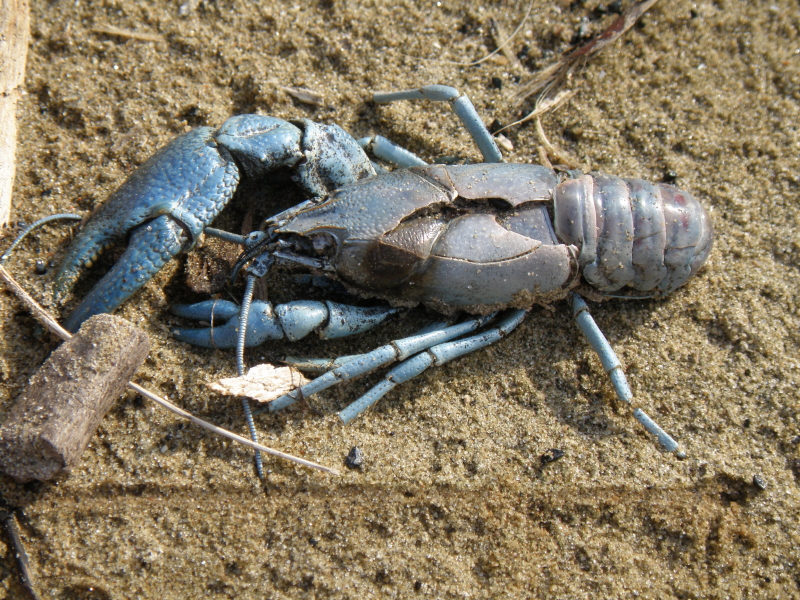
deceased blue crayfish found at the Falls of the Ohio, April 2013

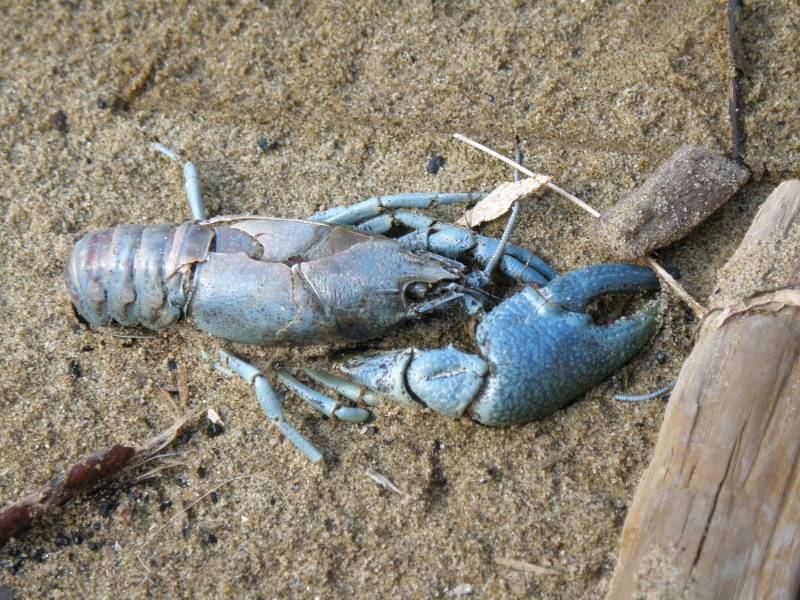
dead blue crayfish found at the Falls of the Ohio, April 2013

Unfortunately, I didn’t find this blue crayfish while it was alive.  By far, most of the crayfish I have seen have been brown in color.  I wonder if it was crushed by the logs rolling in the high water?  I don’t know which species of crayfish this is, but apparently blue crayfish are a genetic color morph.  There is one species that is now bred to be blue for the aquarium pet trade.  The way the grains of sand fit around the exoskeleton gives a sense of how a fossil might be formed if given the right conditions and deep time.  I picked it up and held it in my hand and just appreciated such a small, but spectacular animal.  I was curious to see how the Flood Brothers from my previous post were holding up and soon I had my answer upon reaching my site.

my outdoor studio spot at the Falls, April 2013

The Flood Brothers were gone as were several other pieces of Styrofoam!  My small studio area had been rummaged through, but this is not unusual and I kind of expect this to happen.  The stuff I gravitate towards is not the junk other folks look for, however, anybody is welcomed to whatever I’ve cached here.  I have nothing of value here.  There is more.  Apparently, the discoverers of my studio were carrying bits of frayed barge cable when they stumbled over my spot.  In order to take the Flood Brothers with them, they had to drop the cables.  After straightening up my studio…I wrapped the three cables into loose coils and photographed them where the brothers once stood.

three coils of frayed barge cable, April 2013

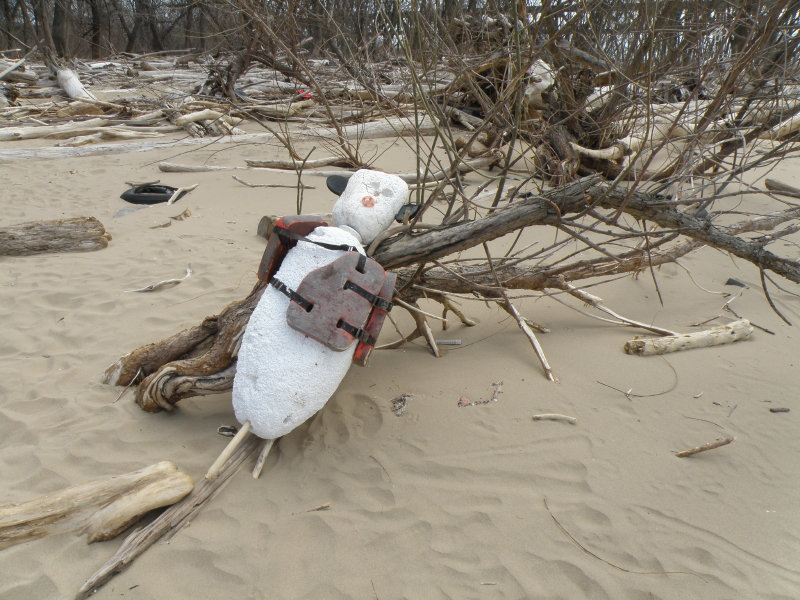
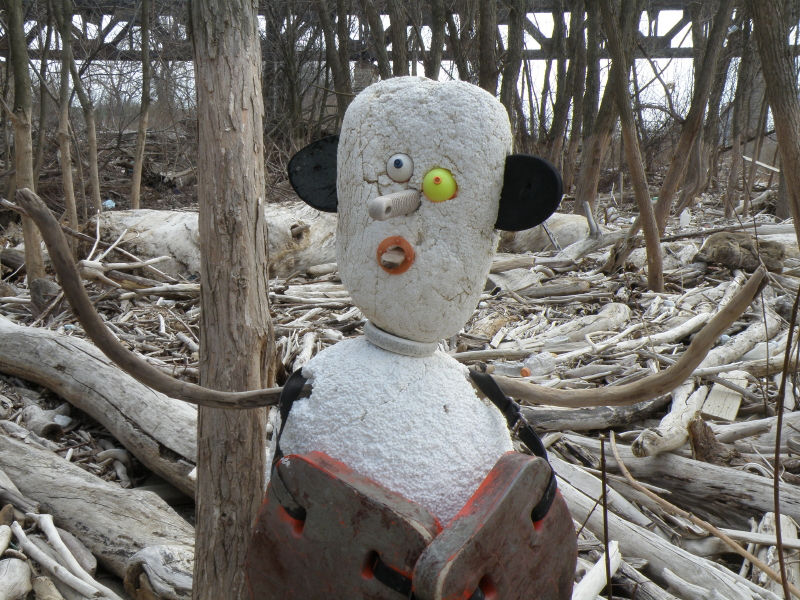
From experience, if folks are out to destroy something…they usually just get on with it.  I was hoping that whomever took the Flood Brothers had just moved them to a different location to create a vignette of their own.  I decided to scout around to see if I could find my wayward figures and I was partly successful.  Here’s how I found the larger of the Flood Brothers.

Flood Brother #2 as I found him, April 2013

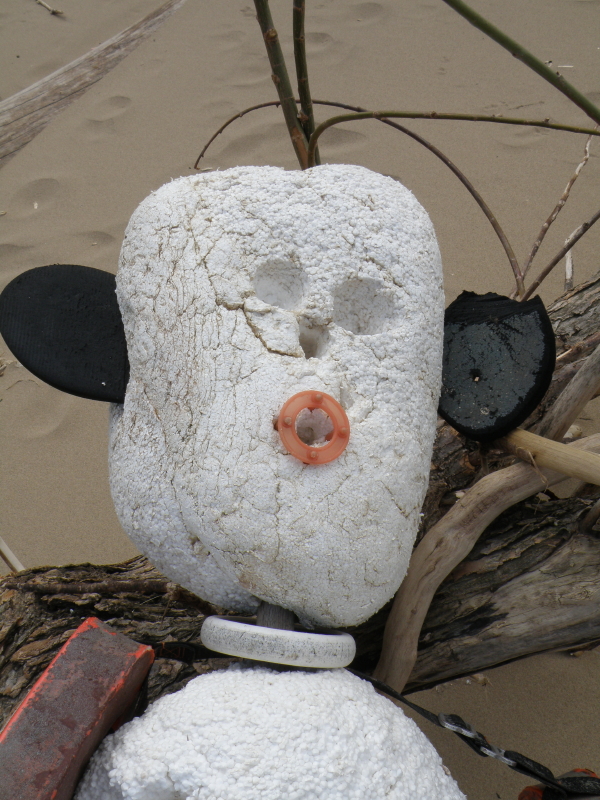
detail, head of Flood Brother #2, April 2013

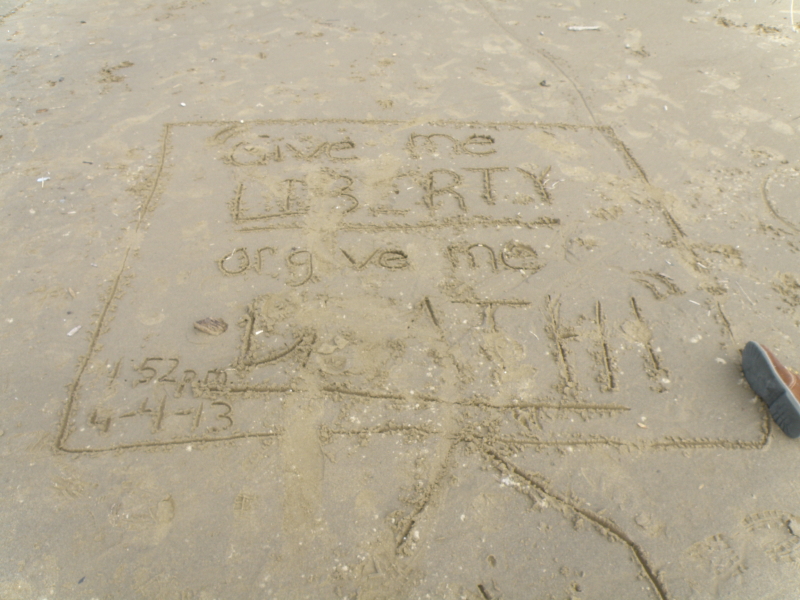
About a hundred meters or so from my spot, I came across Flood Brother #2 leaning against this tree.  He was missing many of his features including his eyes and arms.  After hunting around I was able to find a few of his parts.  As for his shorter brother…there was no trace of him.  I kept moving east in my search and discovered evidence that other creatives were in the area recently.  Perhaps the people who made the following statements also played with my figures?

message in the sand, April 2013

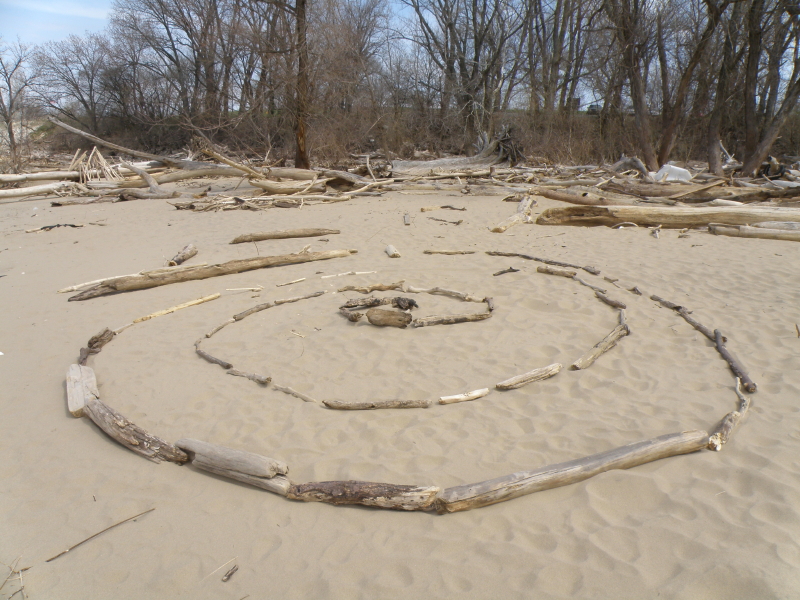
I found this and other sand drawings in the area.  Most of the sand designs were statements of a libertarian frame of mind.  I also found this large spiral made from driftwood that was in the immediate vicinity.

large, anonymous driftwood spiral, April 2013

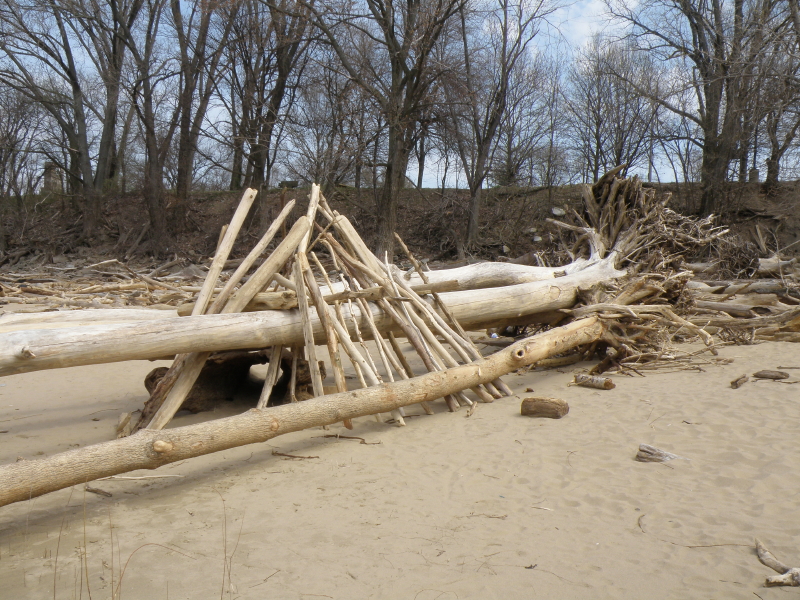
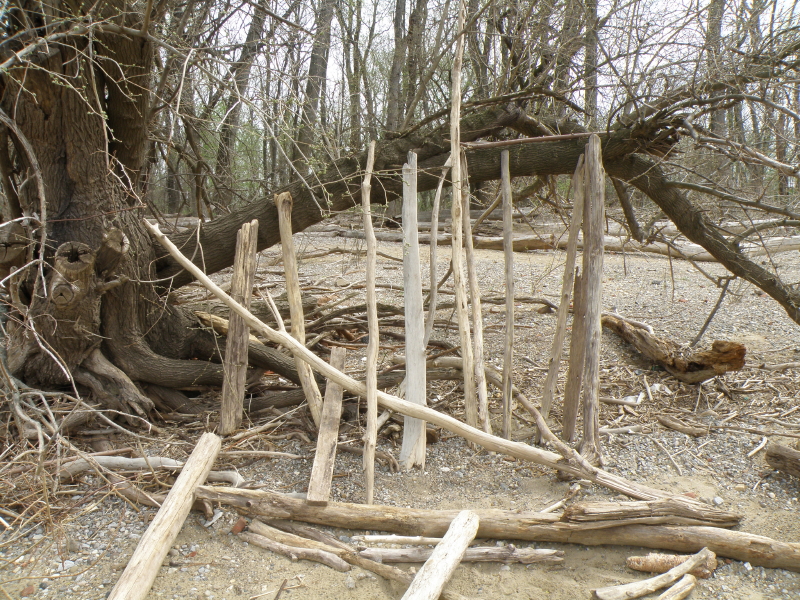
Further west from the spiral was this installation where driftwood was stood on end teepee-style and incorporated with two larger logs that had recently floated into the area.  People seem to like arranging wood in this manner and I have also seen bonfires begun in this way.

site specific wood installation at the Falls of the Ohio, April 2013

I thoroughly checked the area for signs of my missing figure and imagined him riding home in the back seat of someone’s car.  I picked up my remaining Flood Brother and headed back to my studio.  I fixed him back up again.  He’s repaired, but also slightly different now.

repaired Flood Brother #2, April 2013

spruced up studio site with repaired Flood Brother, April 2013

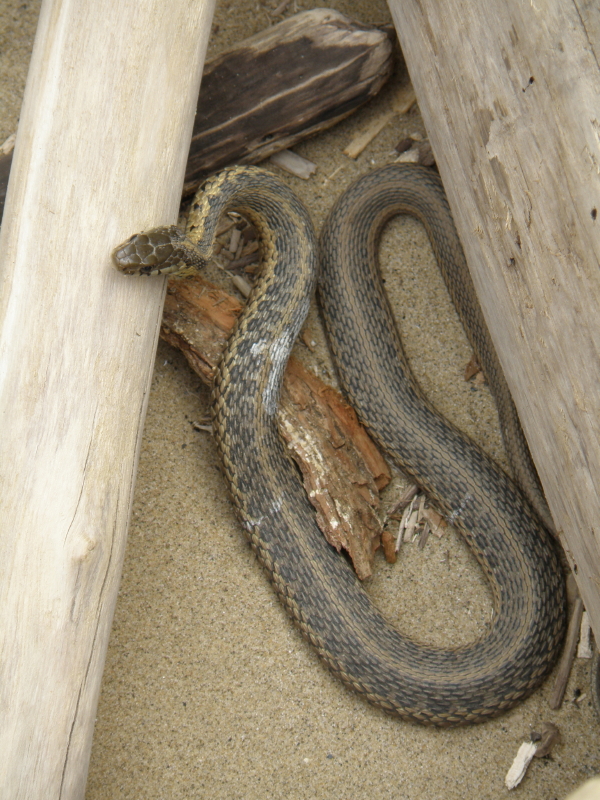
This is how I left things on my way back home.  I’ll return in a week and we shall see what if anything happens?  Returning to my car, there was still one more surprise left for the day.  Emerging into the light of a new season, I came across this small Eastern Garter Snake warming itself (much as I had) among the driftwood at the Falls of the Ohio.  See you next time!

Eastern Garter Snake, Falls of the Ohio, April 2013

Read Full Post »

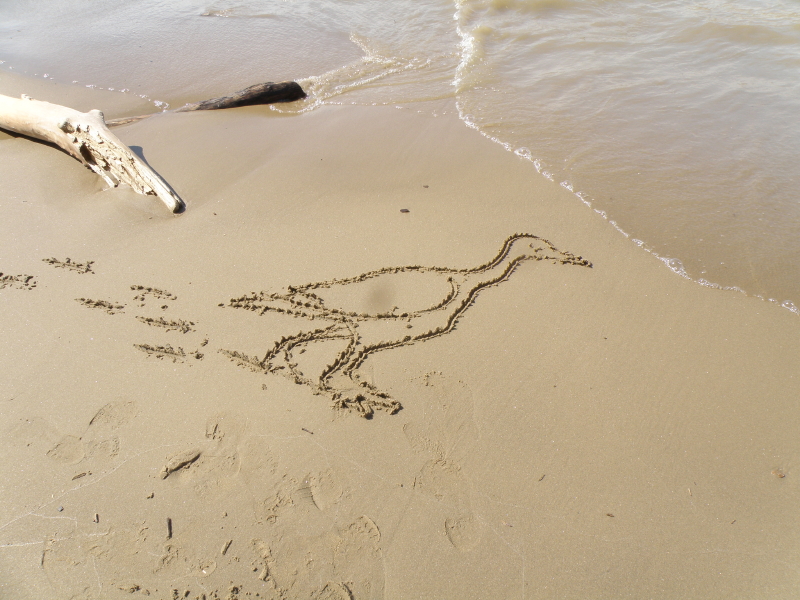
walking goose drawing in sand, March 2013

I come to the river because I like the sound of the water.  It does more than act upon the sand and driftwood here.  After hanging out at the Falls of the Ohio I feel relaxed because the rhythm of the water is also the rhythm of nature.  The waves that move back and forth slow my own internal sense of timing and puts me in sync with the universe.  The work-a-day life begins to lift away and a calm seeps in.  I don’t even need to be aware of the sound.  I know it is there and I trust it.  This restorative quality of water is not to be underestimated in this fast-paced, multitasking world and it is free if you are open to accepting its magic.

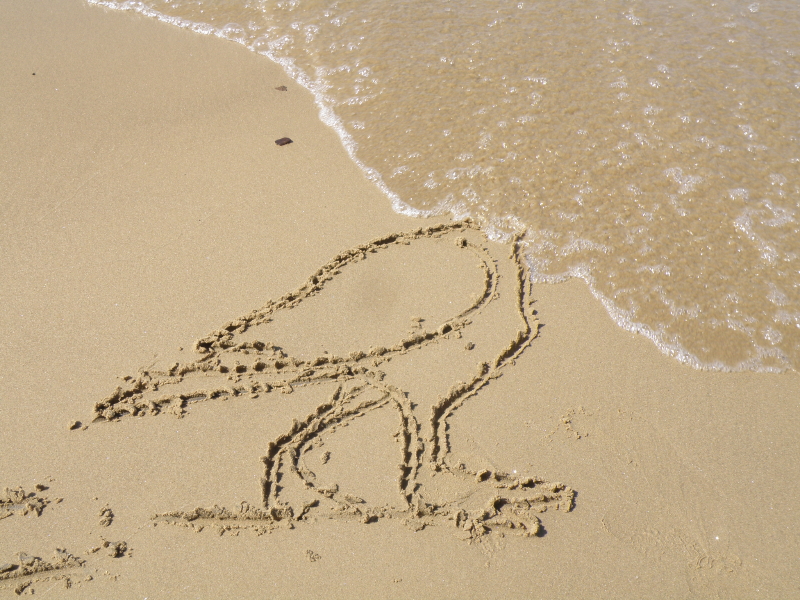
river erasing sand drawing, March 2013

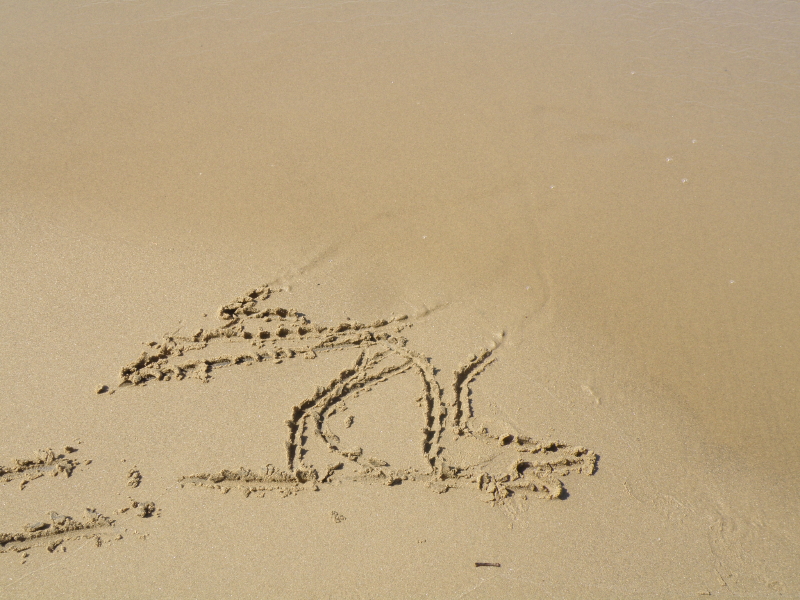
partly erased sand drawing, March 2013

Spring is late in arriving this year.  It’s been an up and down cycle of mostly cool to cold temperatures.  Also, it seems that the river has been a little higher for a bit longer than I remember over the past several years.  2012 was positively balmy compared to this one.  It’s amazing how much difference a year can make .  Today is nice and the sun is shining and I get an early start on the day.

detail of driftwood, March 2013

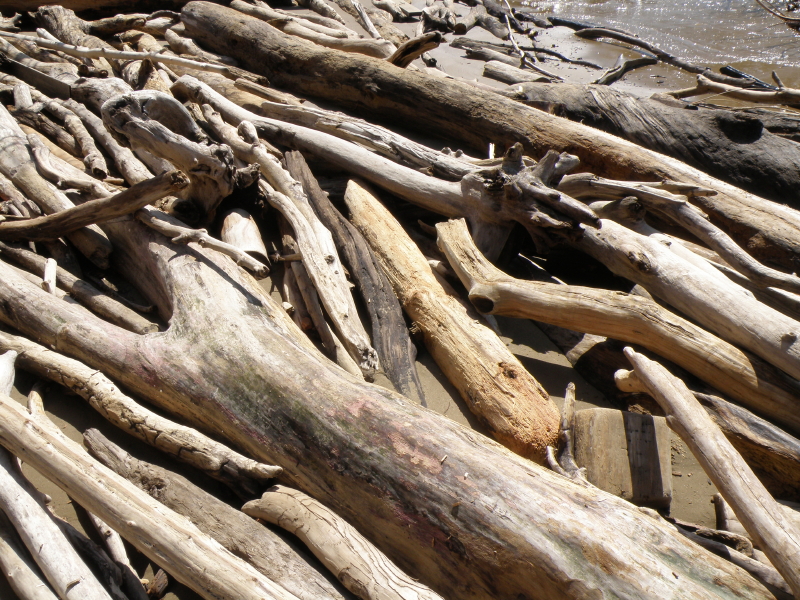
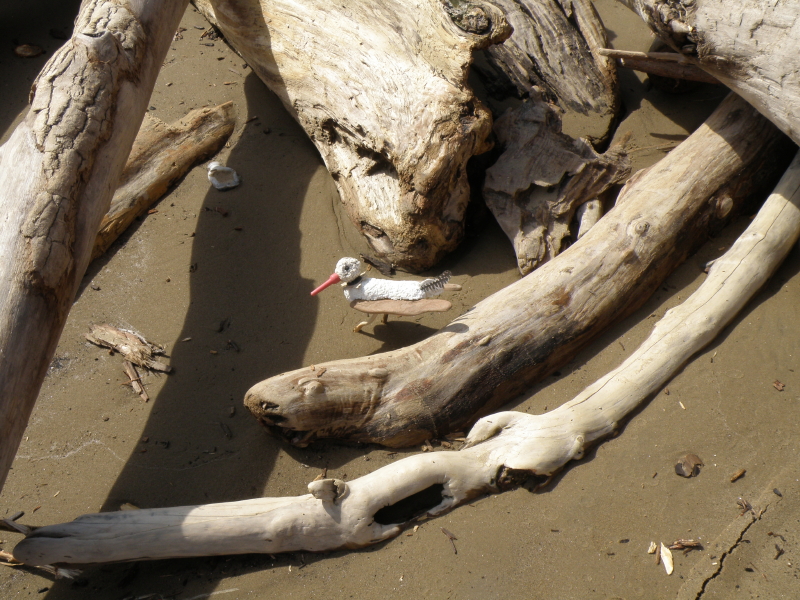
Currently, there is plenty of driftwood lining the riverbank.  By studying how the driftwood was deposited, I get a sense for the water and how high it rose over the land.  Since this is Spring…I’m also on the lookout for seldom seen birds that are traveling through our area.  On my last outing, I was walking over the lines of driftwood when I spotted an unusual shorebird.  I managed a few images of it and I would like to share those with you now.  It was right in the middle of the driftwood and if it hadn’t moved…I might have gone in a different direction and missed it.  I live for these moments.

Great Lakes Oystercatcher, March 2013

head of Great Lakes Oystercatcher, March 2013

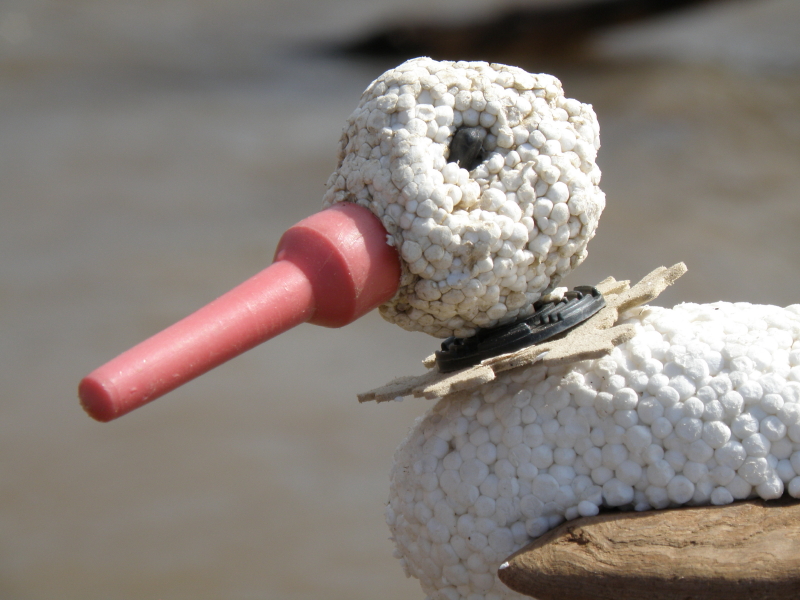
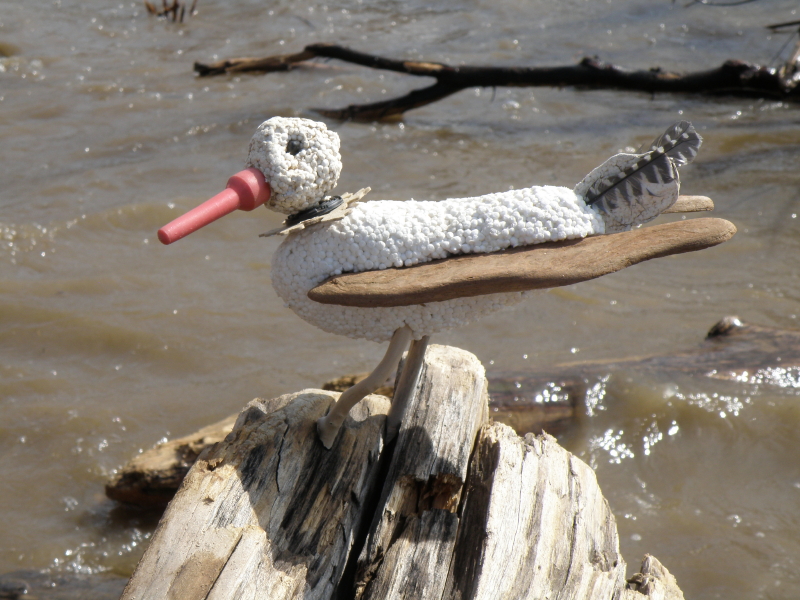
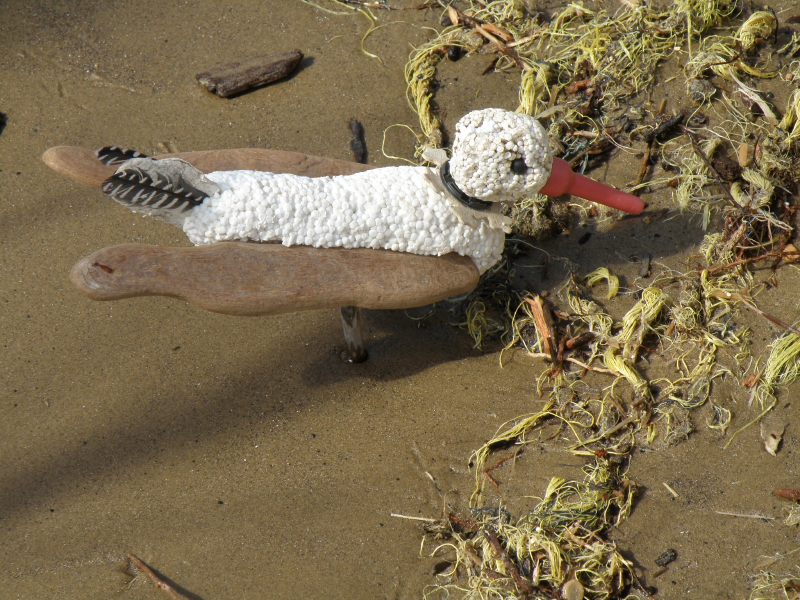
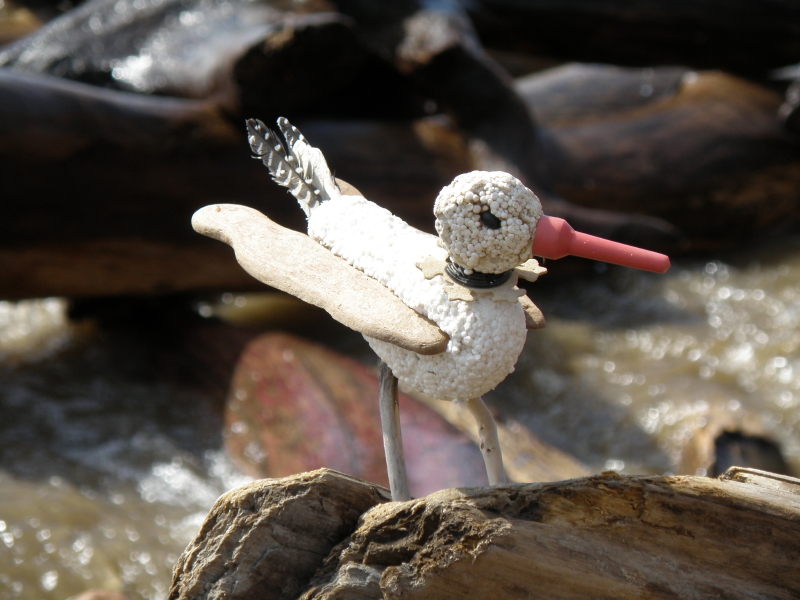
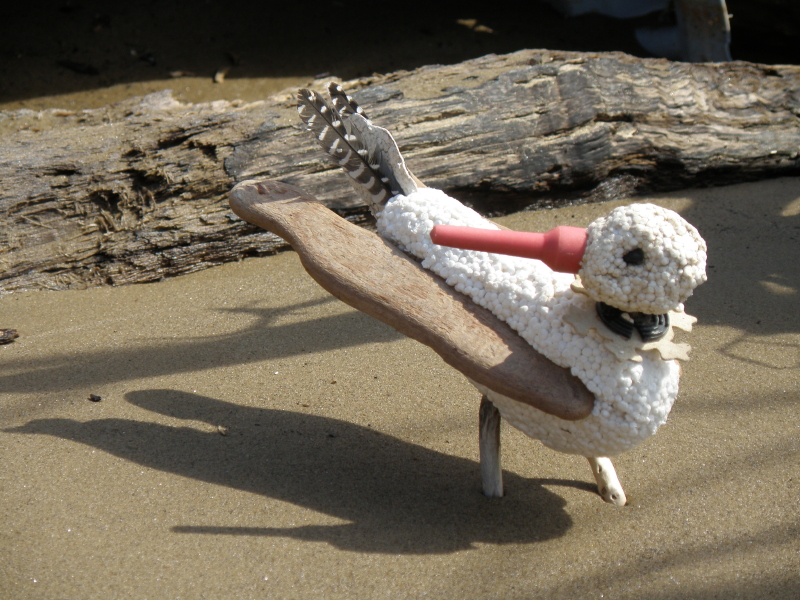
This is the increasingly rare Great Lakes Oystercatcher, (Haematopus polystyrenus) as seen at the Falls of the Ohio State Park.  It has a large red bill like the two other oystercatcher species that live along our country’s marine coastlines.  Unlike them, this bird is strictly Midwestern and prefers fresh water wetlands, creeks, streams, and rivers.  The large bill is used to pry open the shells of fresh water clams and mollusks…although it is known to take crustaceans and other invertebrates upon opportunity.

Great Lakes Oystercatcher, March 2013

Great Lakes Oystercatcher, March 2013

The reason this bird is becoming scarce has everything to do with it losing its main food source.  The Tennessee and Ohio River Valleys are the world’s epicenter for fresh water mollusk diversity which is a little known fact.  Unfortunately, because of the many changes that have occurred with our rivers, these clams have become our most endangered animals with many species having become extinct already.  These clams are fascinating in their own right and have complex life cycles.  Wherever you find them is usually a good indicator of the quality of the water.  The Great Lakes Oystercatcher won’t find much in the way of its preferred food at the Falls.  The original clam diversity is missing and these days you are more likely to encounter Zebra Mussels or Asiatic Clams and both are well-established, invasive, nonnative species.

Great Lakes Oystercatcher, March 2013

Great Lakes Oystercatcher looking over its shoulder, March 2013

I was delighted by this almost comical bird which is rarely observed in this park.  It went about its business examining the driftwood and probing the sand for morsels of food.  I also watched it fly to the water’s edge and it was intent on checking out what the river was washing ashore.  The whole encounter lasted about 20 minutes before the bird flew off for parts unknown.  Satisfied with the day, I gathered my collecting bag and headed home.

The city of Louisville as seen from the Falls of the Ohio, March 2013

Read Full Post »

logs on the dam, March 2013

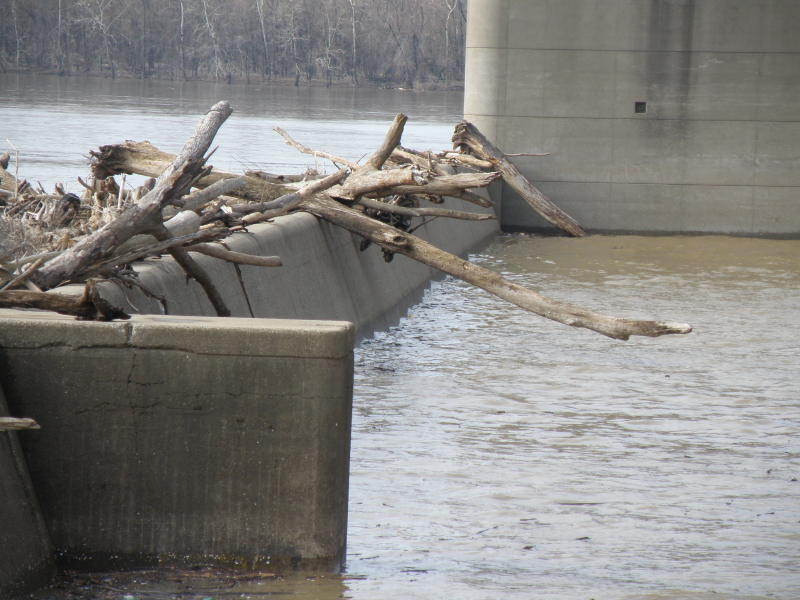
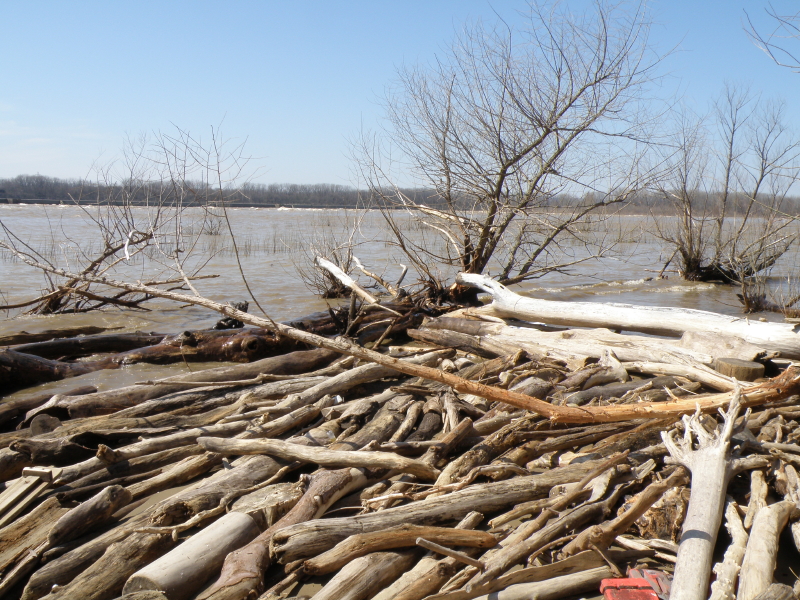
It’s an unbelievably gorgeous morning at the Falls of the Ohio and I have the park to myself.  The Ohio River has been running high although we haven’t had a lot of rain pass through our area.  Most of this water is probably coming from snow melt and precipitation in the northern section of the Ohio River Valley.  The river is receding and one of the first sights I see are logs that have been stranded on the dam as the water level drops.  These logs will remain balanced here until the river shifts them around again.  As I begin my walk, I see driftwood and trash everywhere I look.

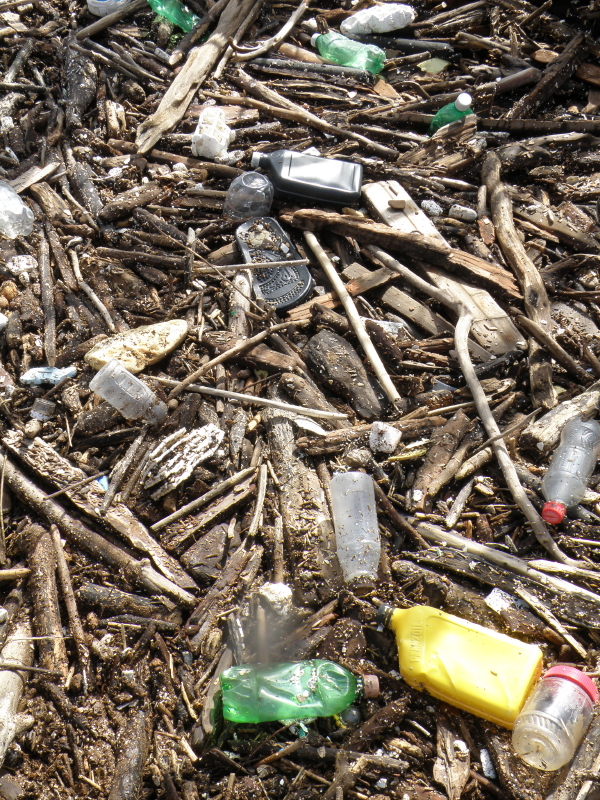
plastic trash and driftwood, March 2013

Accessing the bank is tricky and muddy.  I maneuver by walking on the backs of logs and balancing myself with my walking stick.  In areas where the river has dropped back… plastic trash, Styrofoam, and driftwood remain where this detritus floated in.  I like studying the patterns I see in the deposited wood and imagine the swirl of the river in these areas.  Of course, I find other treasures and oddities too.  Here are just a few objects that made it into the collecting bag.

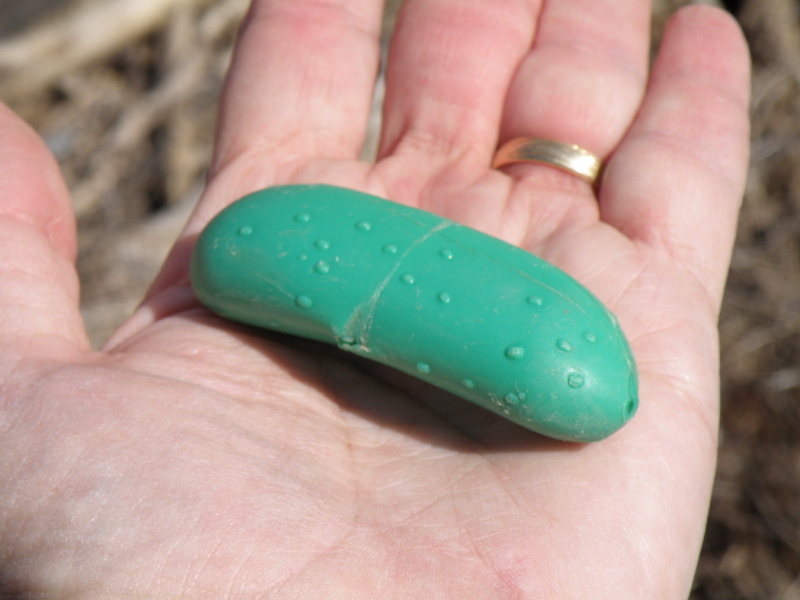
plastic pickle, March 2013

My fake food collection keeps getting bigger and bigger.  Here’s a plastic pickle  I found.  On this day, I also picked up a plastic chicken drumstick, a plastic plum and in the bag already from my last visit are a plastic onion and a plastic cheeseburger!  I find all this plastic food to be an interesting indicator of the times we live in.

plastic pirate skull with eye-patch, March 2013

This is kind of cool.  It’s a pirate skull with movable eye-patch.  The river has really colored this object.  Here’s something more humorous.

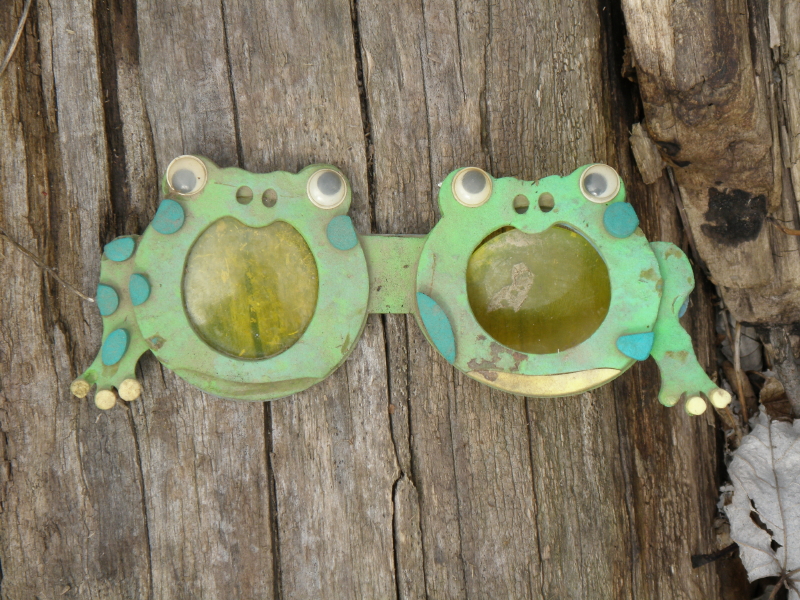
goofy frog sunglasses, March 2013

These silly frog sunglasses may be the only amphibian inspiration I receive all year.  In all the years I’ve worked this project, I have come across one actual common toad and two small leopard frogs.  Perhaps the river is just too big and wild here for the frogs?

driftwood on the bank, March 2013

I decide to walk west along the riverbank and reach areas that are more driftwood than trash.  I always marvel at how the river lays the wood in fairly parallel rows.  That bright reddish-orange object in the foreground is the remains of a life preserver…it is one of two that I find on this day.

large washed up log, March 2013

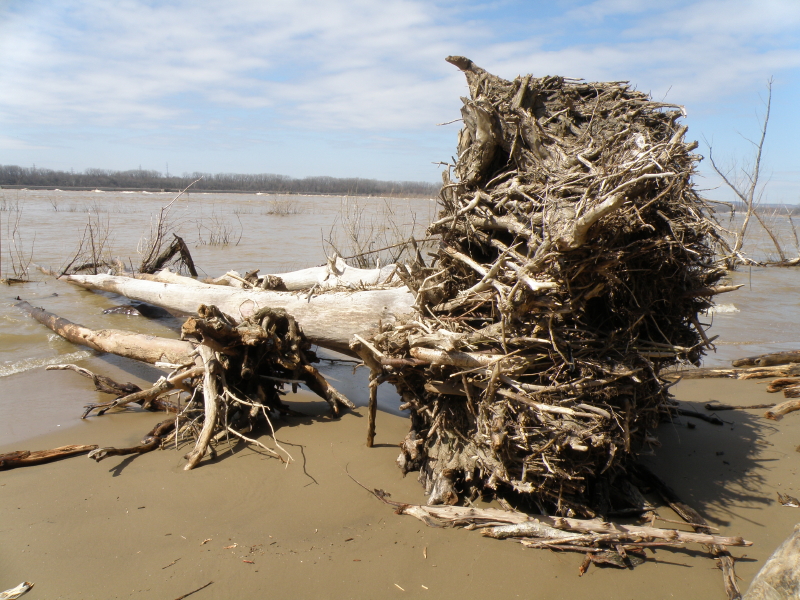
Another tree with an intact root mass has been beached by the river.  Notice how all the branches have been knocked off.  This is fairly typical.  The river keeps subdividing these trees into smaller and smaller parts.  Up ahead I notice something that a muddy wave has just returned to the land.  I walk over and check it out and see something I’ve never seen here before.

beached Styro-fish, March 2013

It’s a big fish, but I don’t recognize the species.  It’s not too bloated and so I examine it more closely.  I think it may be one of those Asiatic carp species that have become so invasive to our bigger rivers?  Recently, in western Kentucky in the Land Between the Lakes area, there was the first ever commercial fishing tournament to try to harvest as many of these large carp as possible.  Strong nets are needed to catch them since they grow big and rarely if ever take a baited hook.  The idea behind the tournament was to  educate people that these fish are good to eat and to try to help create a commercial demand for them.

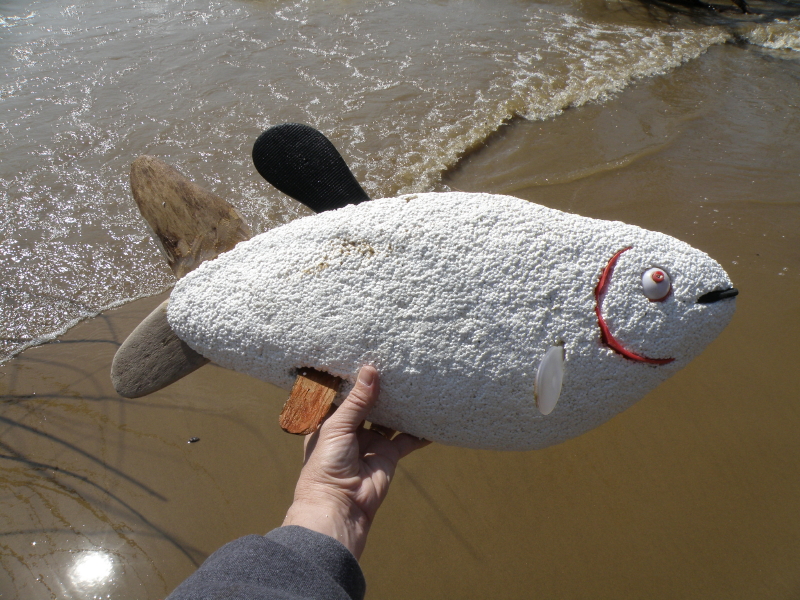
large Styro-carp in the hand, March 2013

Here I am holding the fish at arm’s length.  Notice that it has a relatively small mouth.  This fish feeds on microscopic plankton and other tiny food items which is why they are hard to hook by traditional means.  This is a thick-bodied fish with a large head and powerful tail.  I have known that these fish are in the Ohio River, but I haven’t had the chance to inspect one this closely before.  I’ve attached a couple more views of this fish.

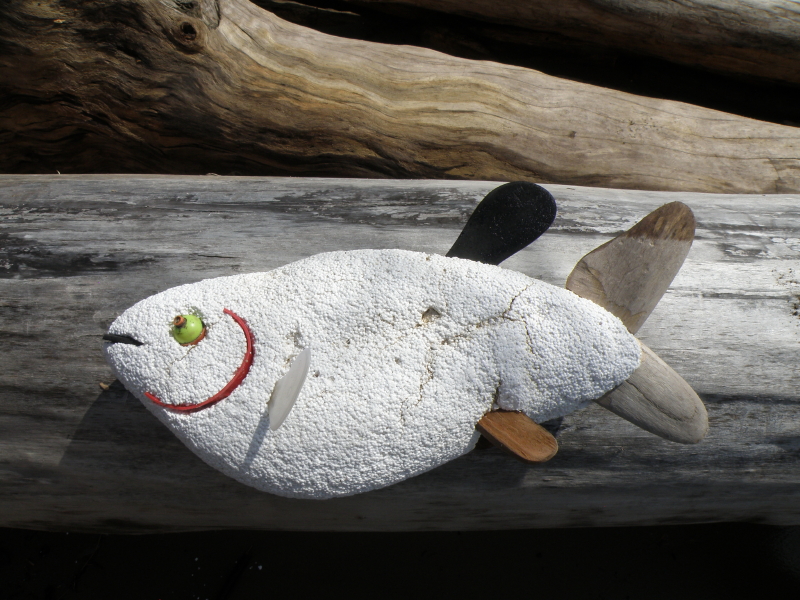
Styro-carp facing right, March 2013

Styro-carp facing left, March 2013

By now, you are probably used to my game!  I made this fish from a hunk of Styrofoam I picked up on this day.  The Styrofoam reminded me of a fish and so that’s the direction I took this sculpture. The other found elements include:  fishing bobber eyes, red plastic gills, fins made from wood, shoe soles, and plastic junk.  This is how it looked before I started.

found piece of polystyrene before it became a fish, March 2013

I try to respect the basic shape the river gives me and feel that whatever results… is a collaboration between me and the river.  I don’t cut too much into the polystyrene because I also try not to release many of those tiny white beads back into the environment.  I try to work minimally and to clean up after myself.  It’s not a perfect system, but is what has evolved after so many years of coming out here.  I did find even more Styrofoam on my latest adventure and now just need the time to create something from it all.  My parting shot is the latest image of my outdoor studio.  See you next time from the banks of the Ohio River.

Outdoor studio at the Falls of the Ohio, March 2013

Read Full Post »

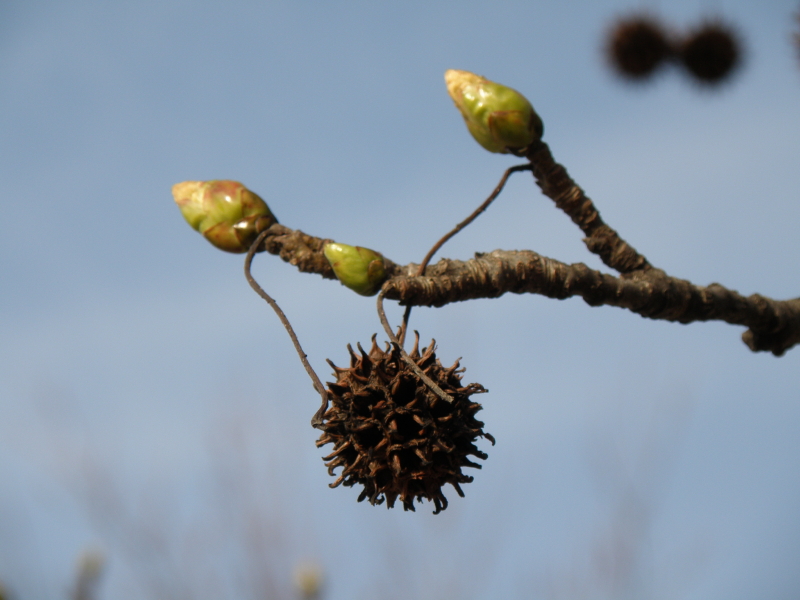
Sweet Gum in early Spring, March 2013

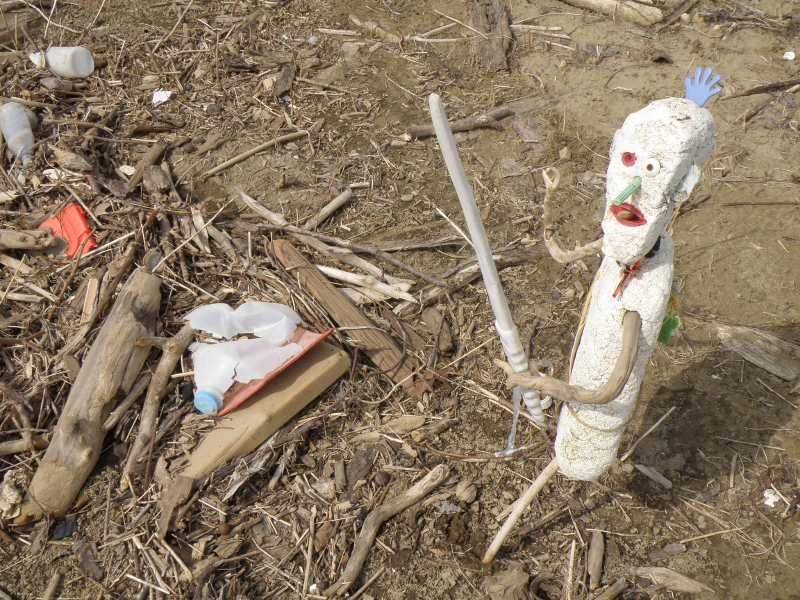
Perhaps it was the fine quality of this pre-Spring day that caused renewed stirrings within the old Styro-Samurai Warrior?  It had been many years worth of seasons since the Emperor had granted him this land to protect and bequeath to his descendants  in gratitude for the loyalty of his service.  He came to the realization that his advancing age was rendering him mortal and that if he wanted to walk his vast estate one last time…he had better do it sooner than later.  The Styro-Samurai attached his heirloom katana to his back and ventured alone away from his home.  The journey could take him many weeks to complete.  This sunny day began with much promise.  The trees were starting to produce buds and yes, there were early season wildflowers too.  The birds were returning.  A favorite Yellow-bellied Sapsucker the Warrior had seen for the past five years was once again in his favorite Sweet Gum tree.  Geese were everywhere and an Osprey flew overhead with a fish in its talons.  Life seemed to be moving in the timeless rhythm that it always had.  The Warrior decided to venture closer to the river for a better look.

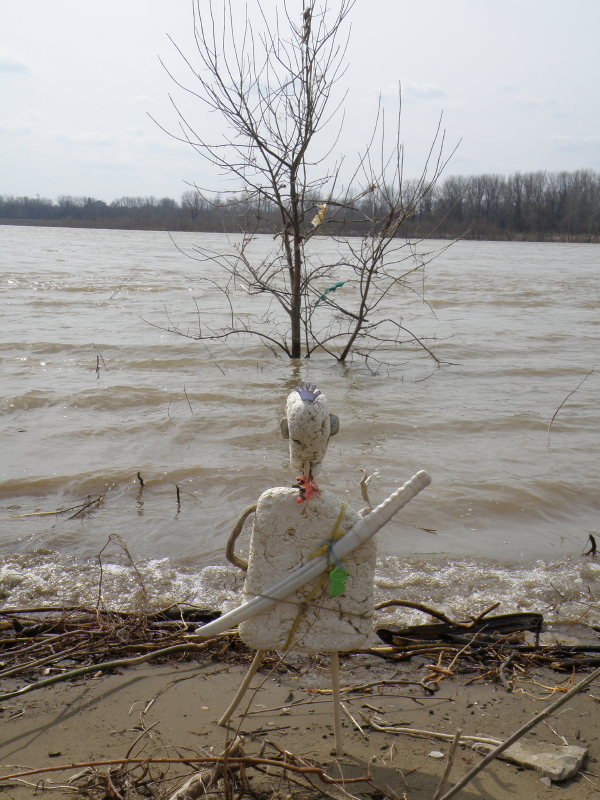
Styro-Samurai by the river, March 2013

The first thing the Warrior observed were trees submerged by the river that normally stood high and dry.  In all his years, he had not seen this happen very often and he stood transfixed by the sight.  Rousing himself, the Warrior continued his walk to a favorite creek.  In his mind he recalled the agitated call of the Belted Kingfisher on the wing and its wildness made him smile.  Upon reaching the creek…this is what the Warrior saw.

driftwood lining the creek banks, March 2013

Hundreds of logs representing hundreds of once living trees lined both sides of the creek.  What is happening here!?  These were trees from the pure land and their wood is a treasure, their roots hold the soil together, and their leaves provide cooling shade in Summer among all the other blessings they bestow.  These trees represent so many potential fulfilled wishes.  So much wasted wood and where did it come from?  The Warrior surmised that this was further evidence of flooding.  These trees probably washed away from their respective banks from distant fiefdoms and were carried here by the spirit of the river?

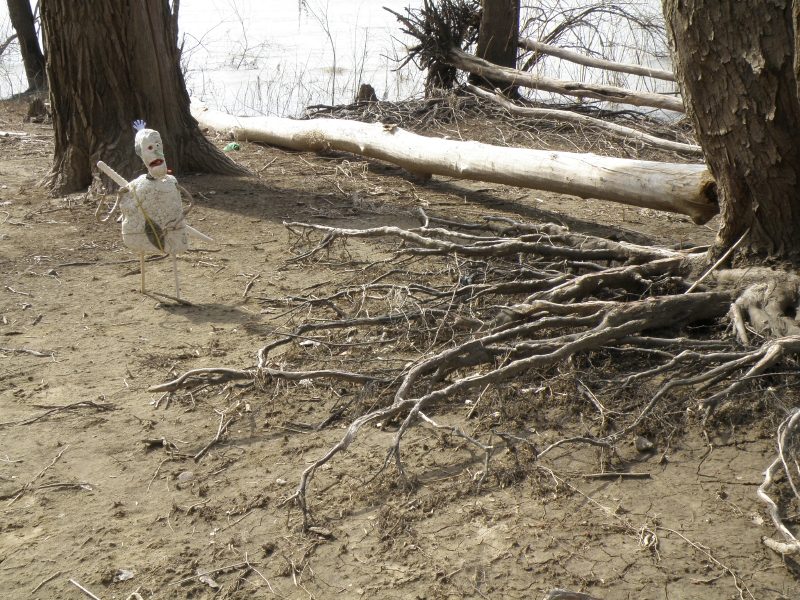
Styro-Warrior and exposed tree roots, March 2013

Walking the shoreline he came upon more evidence that the river was claiming the trees that dared to grow nearest to it.  For the Styro-Samurai, it was an alarming sight, but nothing had yet suggested that this way anything other than Nature being moody.  His view was about to change as he rounded the bend of the river.

Styro-Samurai and plastic trash, March 2013

The Warrior entered a field that was strewn with discarded plastic and Styrofoam.  This was an outrage and the Samurai drew his katana! Who dares to be this disrespectful to the land!

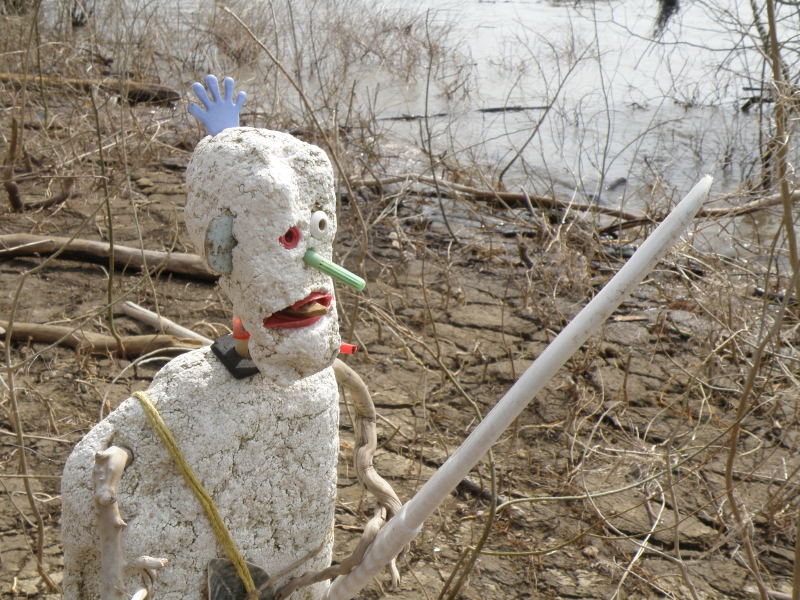
Styro-Samurai with drawn katana, March 2013

At last, someone to blame for this clearly was the by-product of men. The Warrior was seeing red and looked for someone or something to strike back at…but there was no one else present except for the gulls flying over the river and they were making no sounds.

Styro-Samurai with drawn katana, March 2013

Marching with his sword drawn, the Warrior advanced down the riverbank.  There was a quality in his rage that was tempered by battle and had made him a legendary and feared adversary in the prime of his youth.  But that was then and this is now and as he neared one of his favorite trees…he sheathed his katana again.  Up ahead was a treasured spot where a large and special Cottonwood tree grew.  The Styro-Samurai’s pace quickened in anticipation.

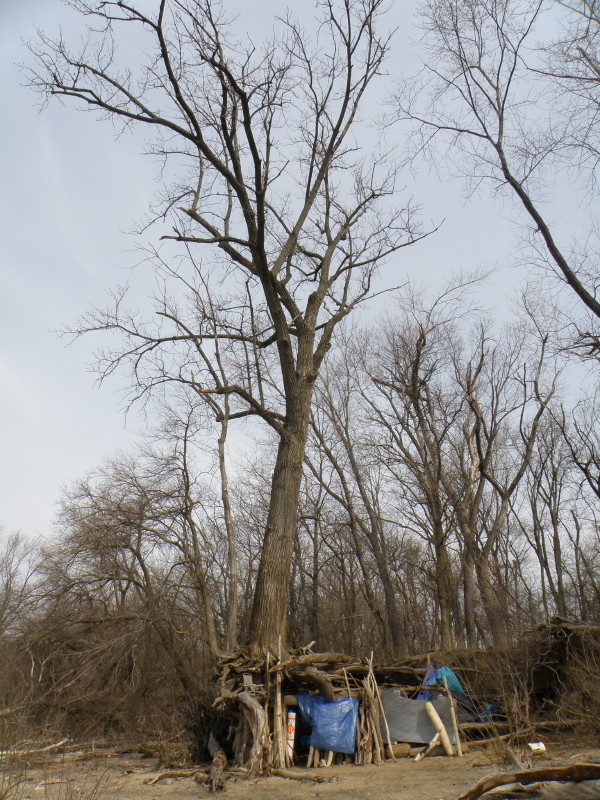
Cottonwood tree hangout at the Falls of the Ohio, March 2013

Styro-Samurai approaching Cottonwood hangout, March 2013

This great and revered Cottonwood tree that in the Warrior’s time was the setting for many tea ceremonies was now covered in plastic tarps and a sign warning to “keep out” was posted.  Again, here is the hand of man at work!  Who has the impudence do this in the Styro-Samurai’s land?  By what right would these interlopers claim this tree as their own and defile it with their junk?  Full of righteous indignation, the Warrior entered the space under the trunk of the tree.

camp under the Cottonwood tree, Falls of the Ohio, March 2013

It was empty…no one was there at all.  Although the smell of wood smoke was present…the ashes were cold.  Improvised seating was arranged around the fire pit.  Growing depressed, the Styro-Samurai sought the warmth of the sunshine and sat down to ponder what he had observed thus far.  Indeed, the world had changed much since he last walked it far from the comforts and isolation of his fortified castle.  The old soldier had a revelation that mindfulness had been usurped by consumption based upon all the trash he saw everywhere.  The world was moving away from him.

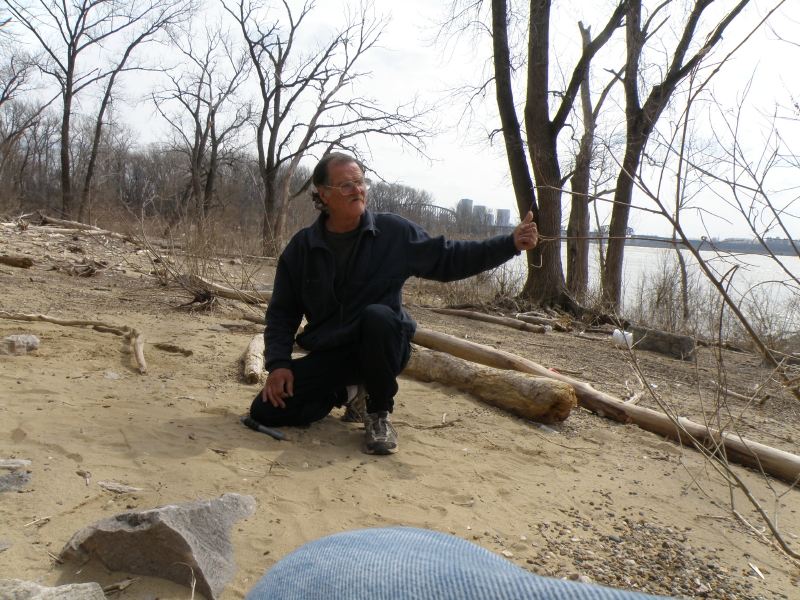
Steve, the Arrowhead Man, March 2013

While the Styro-Samurai was engaged by his thoughts…he was approached by a common man who gestured that he wished to speak and so began a conversation.  The man also remembered a different time and place where respect was accorded to both man and beast alike.  There was an understanding that nature worked in certain ways and that it was wise to stay within the sustainable limits.  The man confirmed to the Warrior that the changes he was seeing in his own land were in fact simultaneously occurring everywhere else too.  The common man then asked for forgiveness for what he was about to say which the Warrior granted.  He reminded the old soldier that in their day…there was a common and accepted code that shaped the behavior of all.  It began with the Emperor and then passed through the Samurai down to everybody else.  It seemed to the man, that the flow of wisdom had been interrupted by a changing and challenging time and needed something like a new code to help bring it all back into balance.  With those words the common man took his leave.
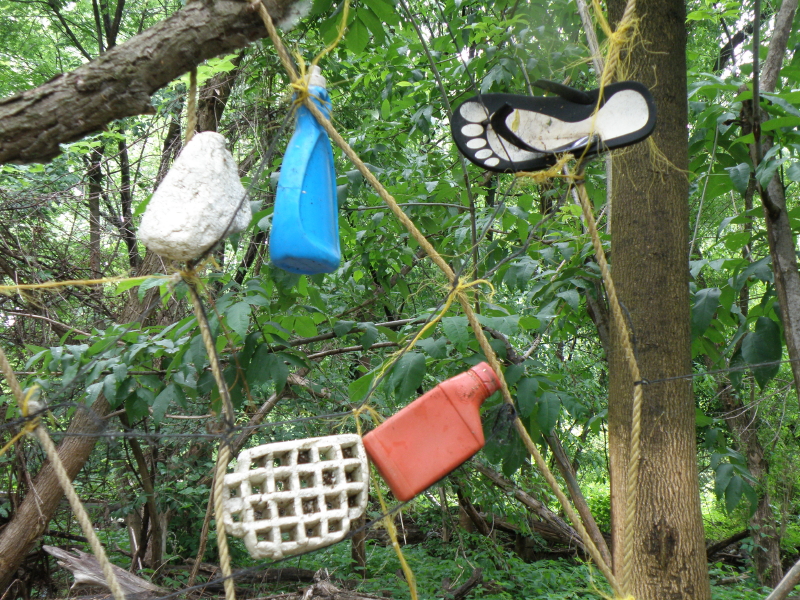
plastic sand rake, March 2013

The Styro-Samurai had seen enough and walked back to his castle.  He mulled over the words the mysterious common man had left him with and acknowledged to himself that they seemed to ring true.  A different day was indeed at hand and perhaps the time of the warlords was ending.  The idea that a different code was needed, but what can one do to achieve enlightenment in an impure land? When the Warrior reached his home he cleansed himself and before the assembled public, removed his sacred katana from its scabbard and replaced it with an ordinary garden rake.

Styro-Samurai working his rock garden, March 2013

For several weeks the old Warrior meditated by creating a rock and sand garden.  Working the earth helped create a different connection to the land that he didn’t have before and was now cultivating.  The Styro-Samurai invited his courtesans and the other people in the castle to assist him.  To his surprise, most everyone found this activity relaxing and beneficial.  It no longer became his garden and became our garden which brought with it a sense of shared responsibility and value.   He wondered if this idea would work for a land the size of a country ?  Soon he would try talking to the Emperor about this and hope for the best.

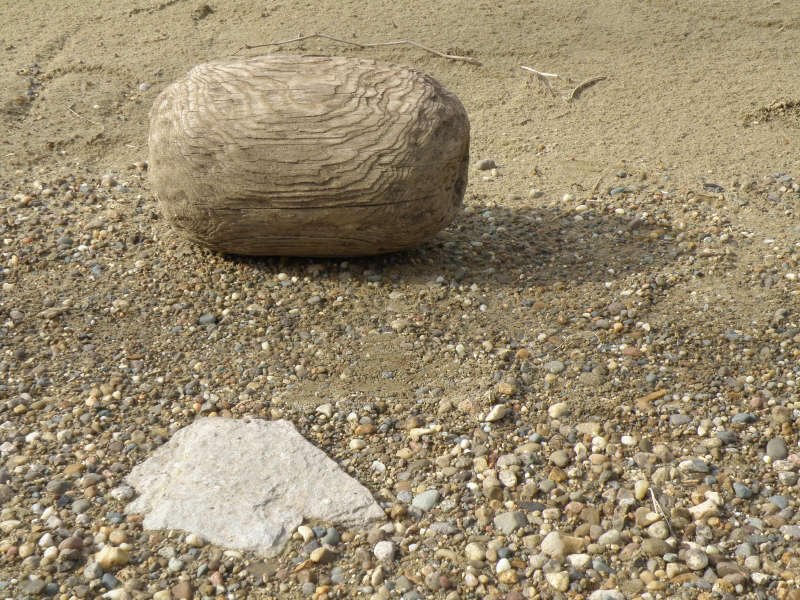
water-rolled wood, sand, gravel, and rock, Falls of the Ohio, March 2013

Read Full Post »

Duct tape ball in situ at the Falls of the Ohio

At first it looked like any other ball among the wood chips and I almost passed it by.  After all, balls are the most common toy that I find at the Falls of the Ohio State Park.  But something told me to look more closely at this one and that’s when I noticed the network of filaments that were eroding away on the surface of this silvery sphere.  Picking it up, I then realized I was holding something different and to my mind and eye a bit more fascinating too.  Yes, it is a ball, but one made from duct tape!

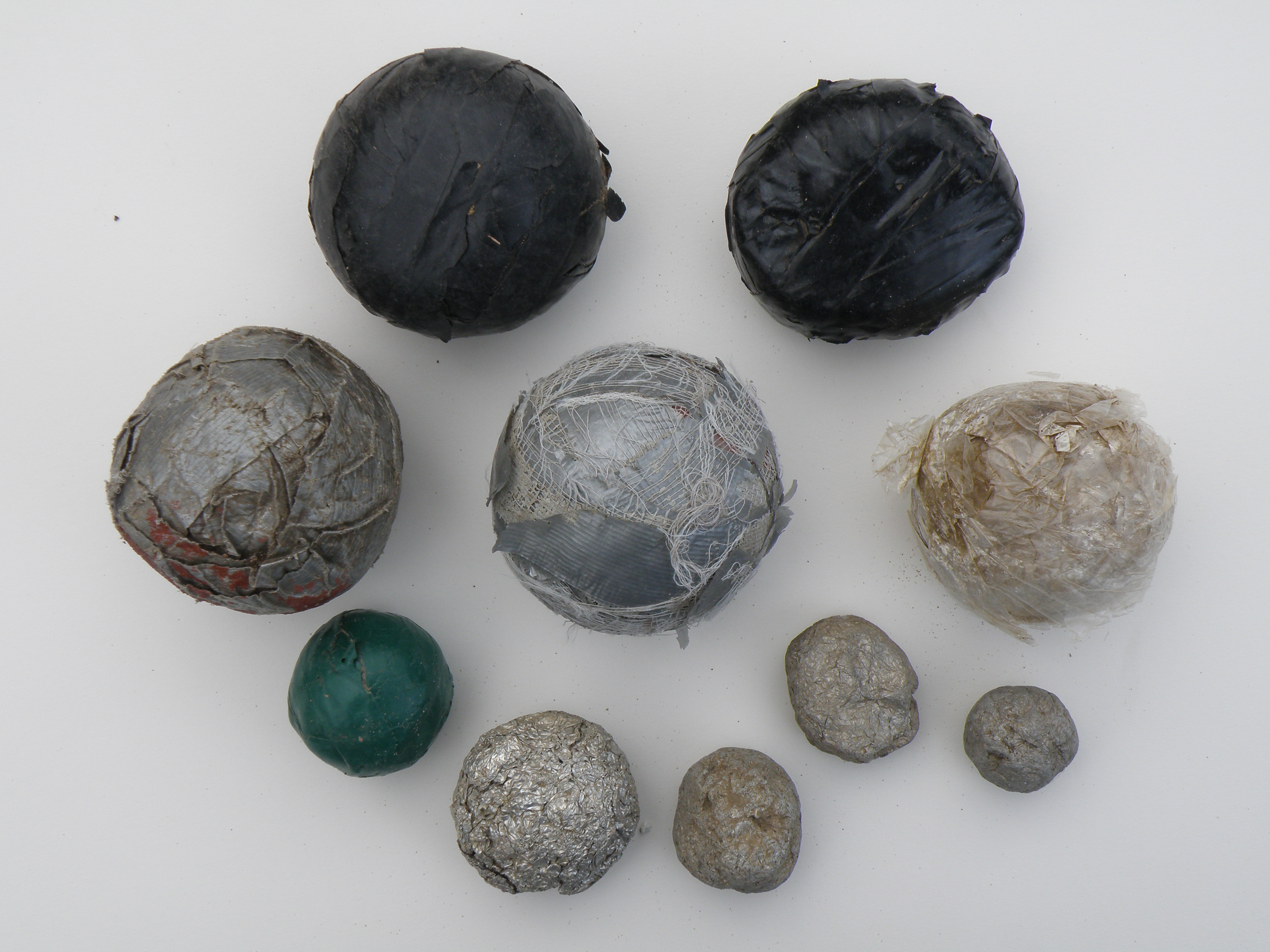
handmade ball collection

Over the years I have found several other handmade balls made from different materials and they always elicit wonder in me as artifacts.  There is something in the human need to create form from formlessness that is at the root of creativity and can be seen in this eccentric collection.  I think this can happen reflexively too without deep thought being involved. The largest of these balls would fit comfortably in the palm of your hand and is slightly smaller than an American baseball.  Since most of them are made from various tapes…I’m guessing they are the waste products of work.  What began as something relatively flat gets transformed by the mind and hand into a fully satisfying three-dimensional object that you can grasp, throw, or roll.  For me, there is something appealing art-like in these objects which began life as one thing and by shifting its original purpose and function becomes something entirely different.
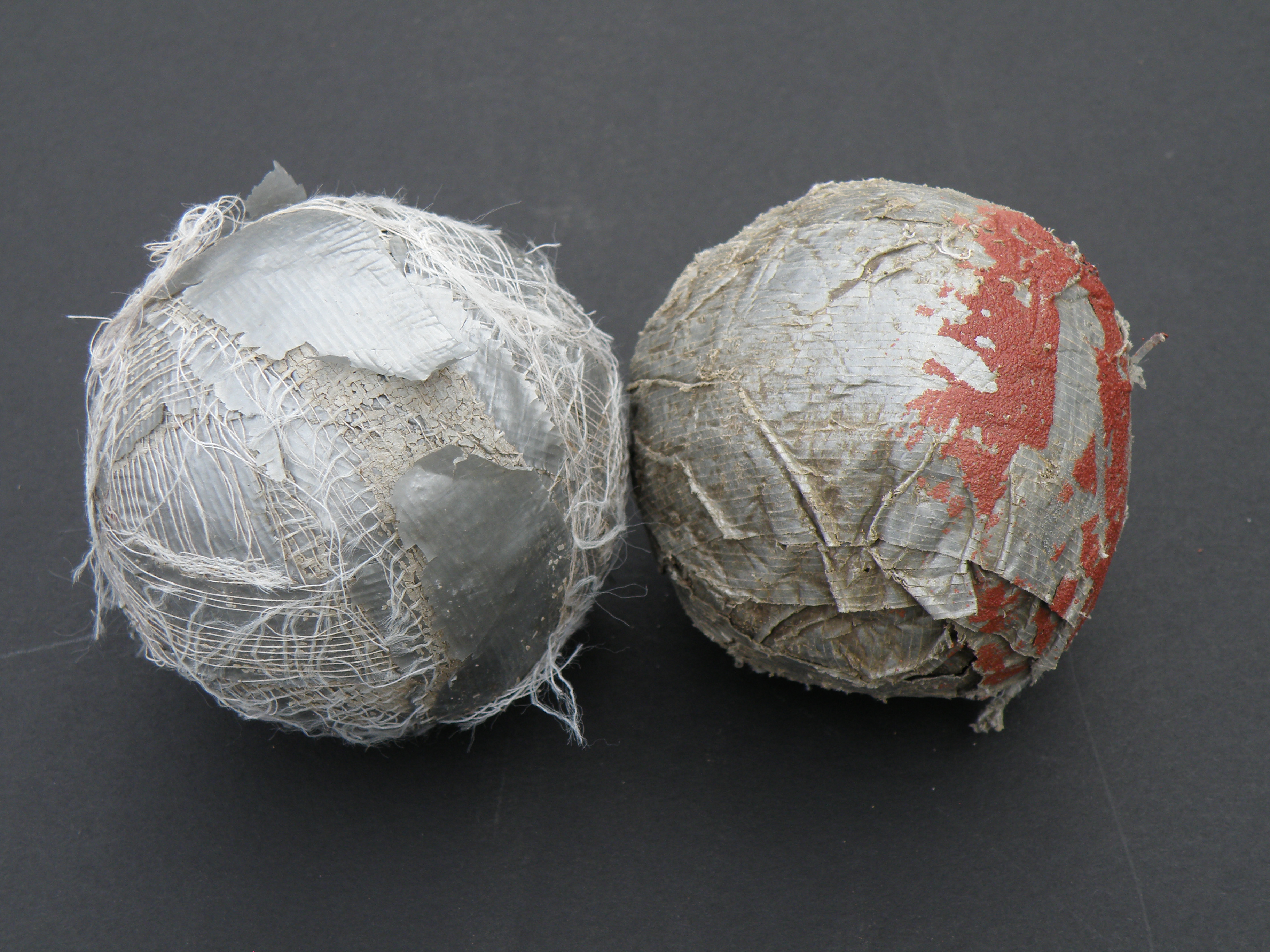
two found duct tape balls

Here are two duct tape balls I have found by the river.  The one on the left is pictured on the wood chips and its partner has vestiges of dried paint or primer on its surface.  The spheres are created by layering one flat piece of tape over another until a ball is formed.  It is not necessary to create a ball to dispose of this waste tape, but this is what their makers did…and then it wound up in the river which is yet again another story to ponder.

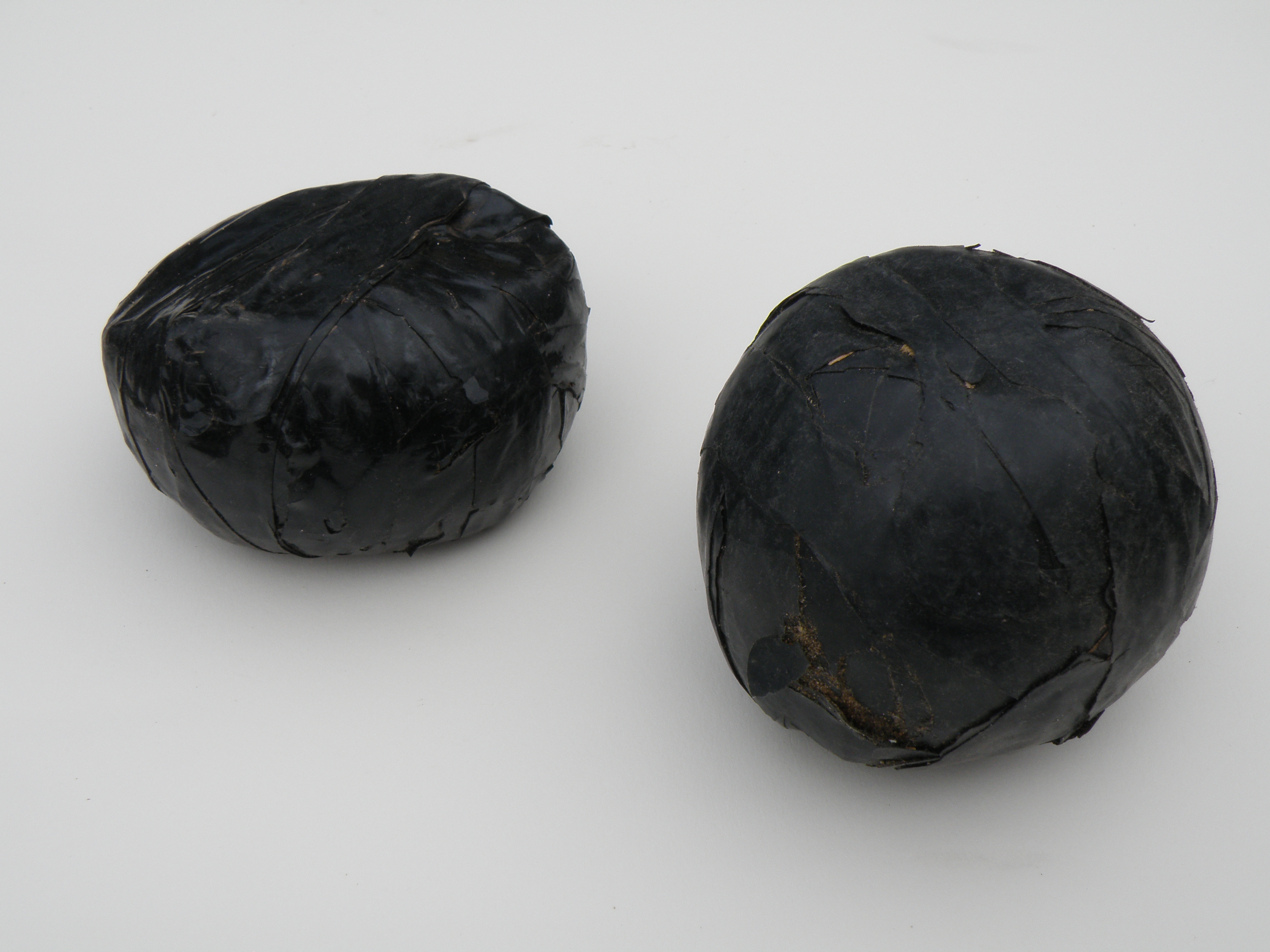
two balls made from electrical tape

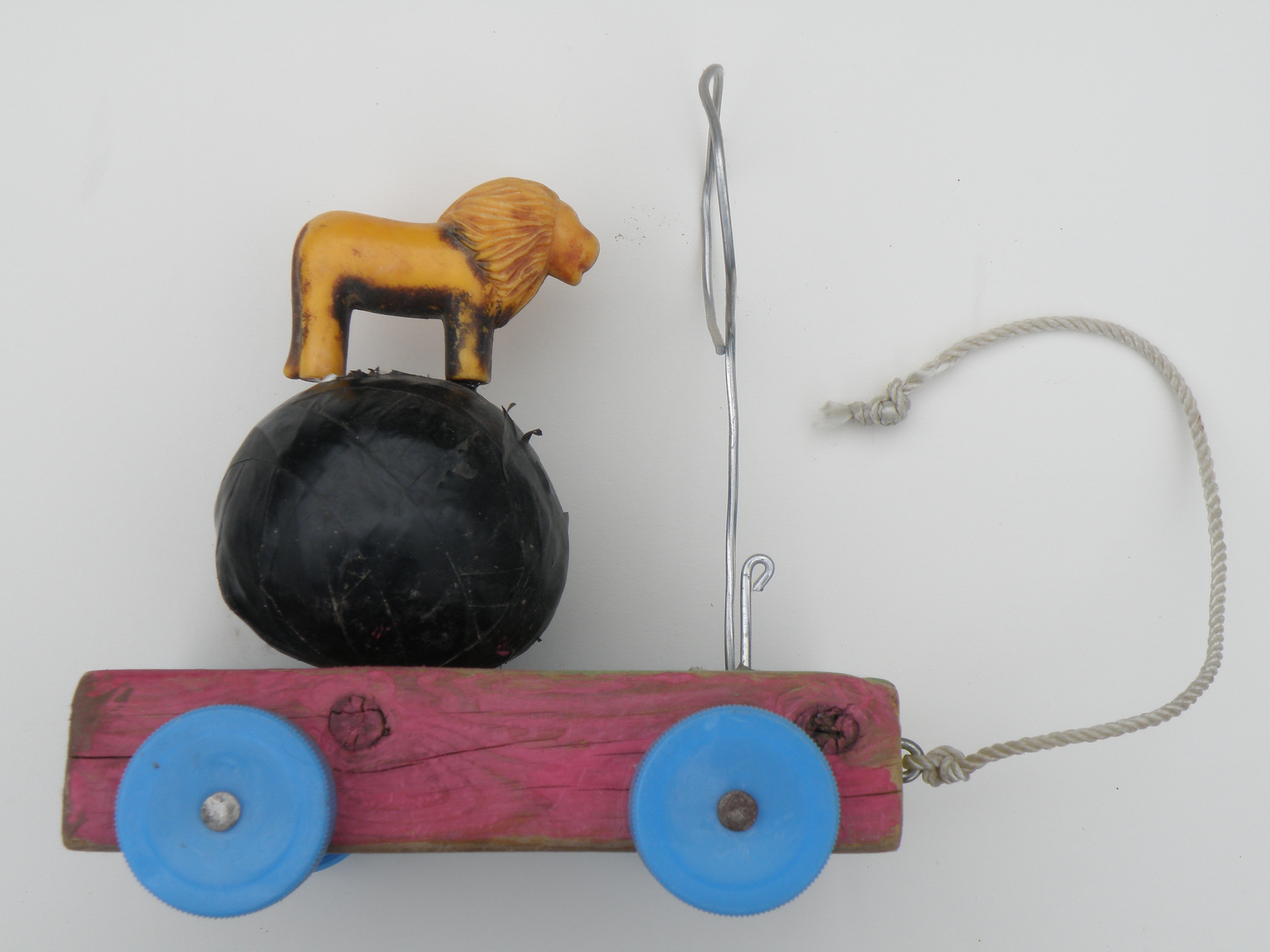
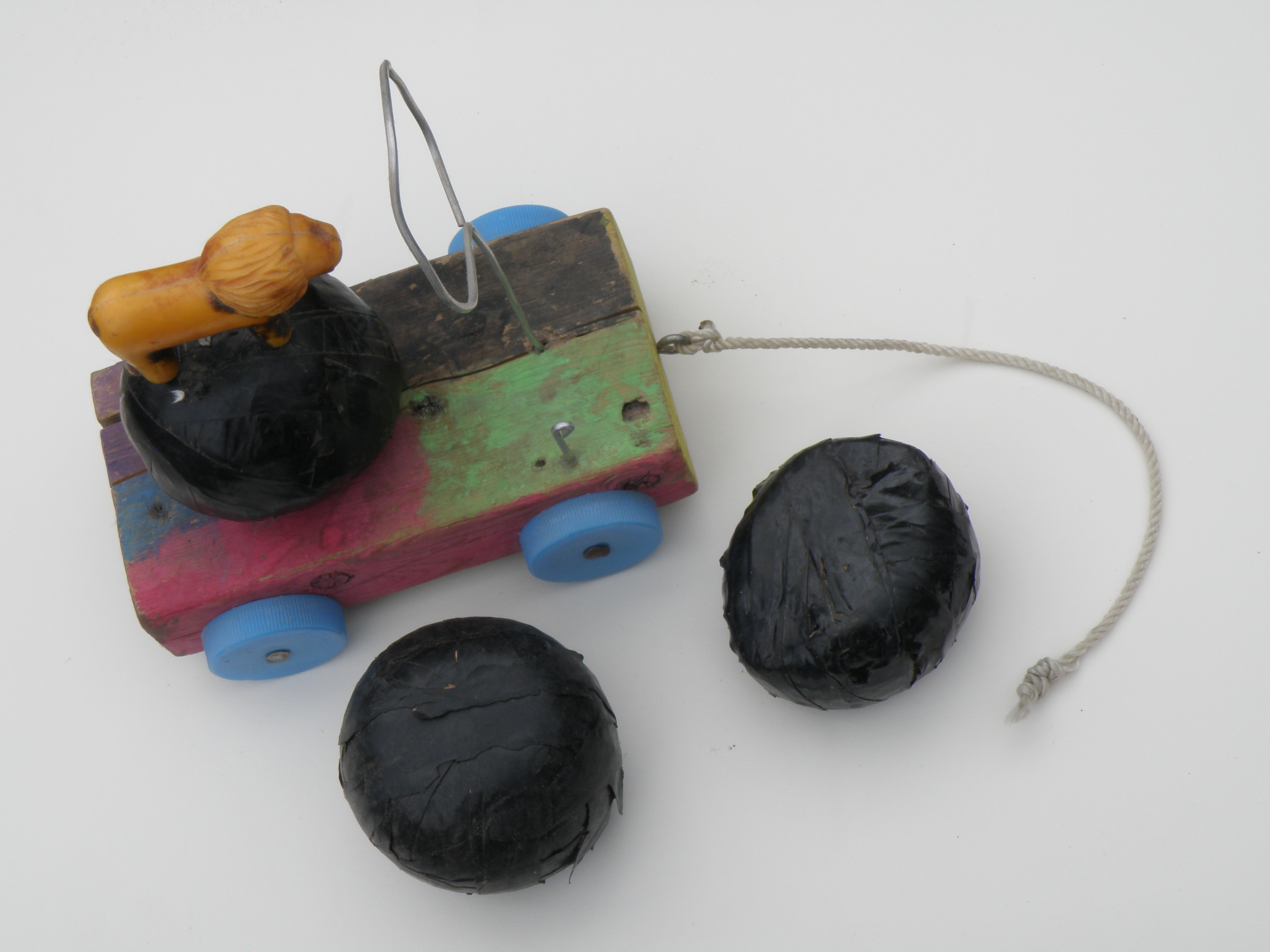
These two balls are made from stretchy electrical tape and are tight and dense.  I remember that the very first handmade ball I found was also made from this smooth black tape.  When my eldest son was a small boy and needed a project to do involving recycled materials… I helped him construct this circus pull toy from materials found at the river.

recycled materials circus toy with handmade tape ball

At the heart of this toy is a handmade ball made from electrical tape.  My son thought this would make a great prop for a circus lion to stand on while it jumped through a flaming hoop!  Of course, the only fire we actually used came from our imaginations.  The yellow plastic lion was also found at the river and has a nice oily patina on it that comes from being in the river for a while.  Here’s a smaller ball made from green tape.

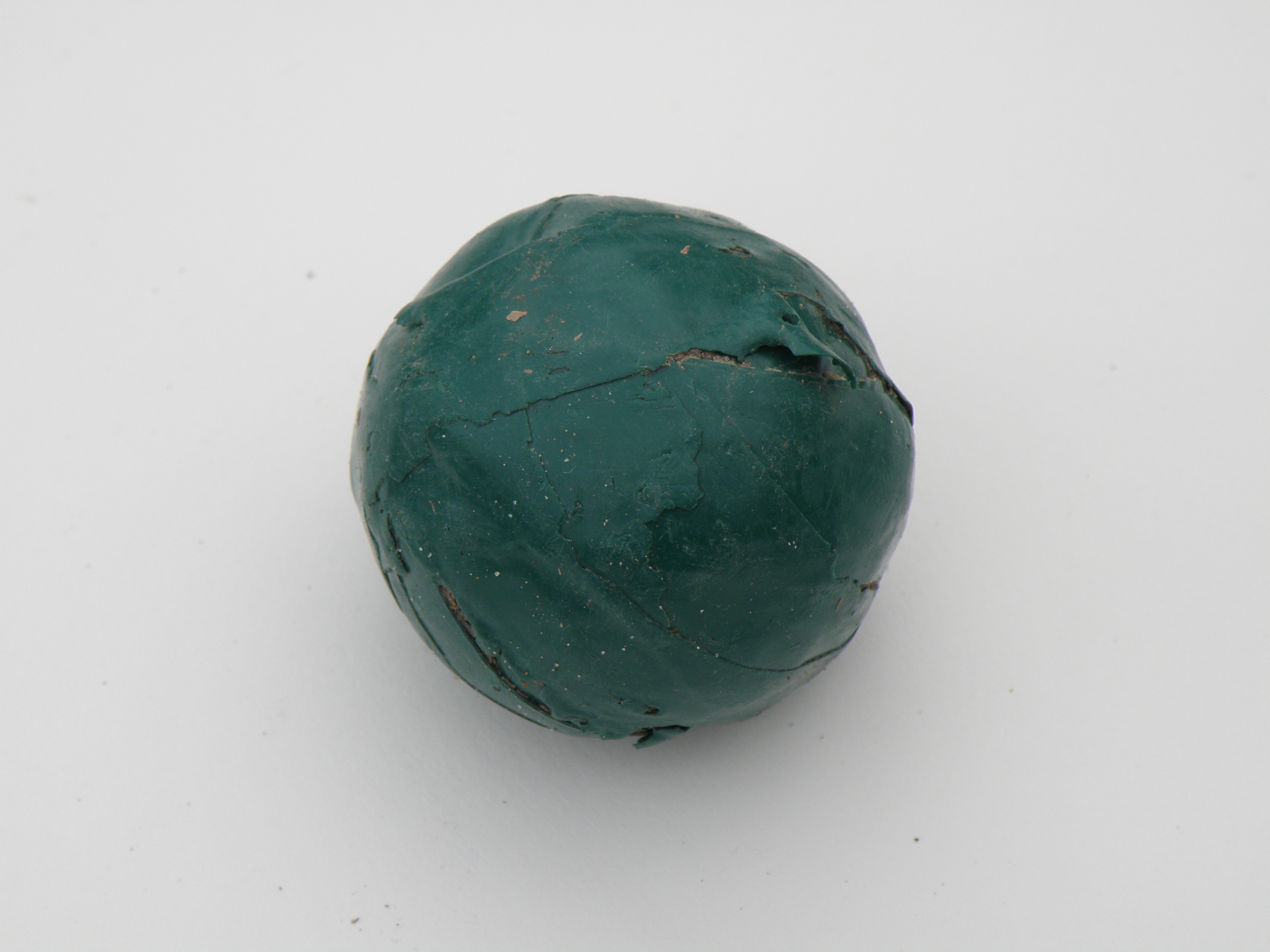
ball made from green plastic tape  I’m sure people are making balls from paper-based tapes too, but these don’t survive being exposed to the elements for very long.

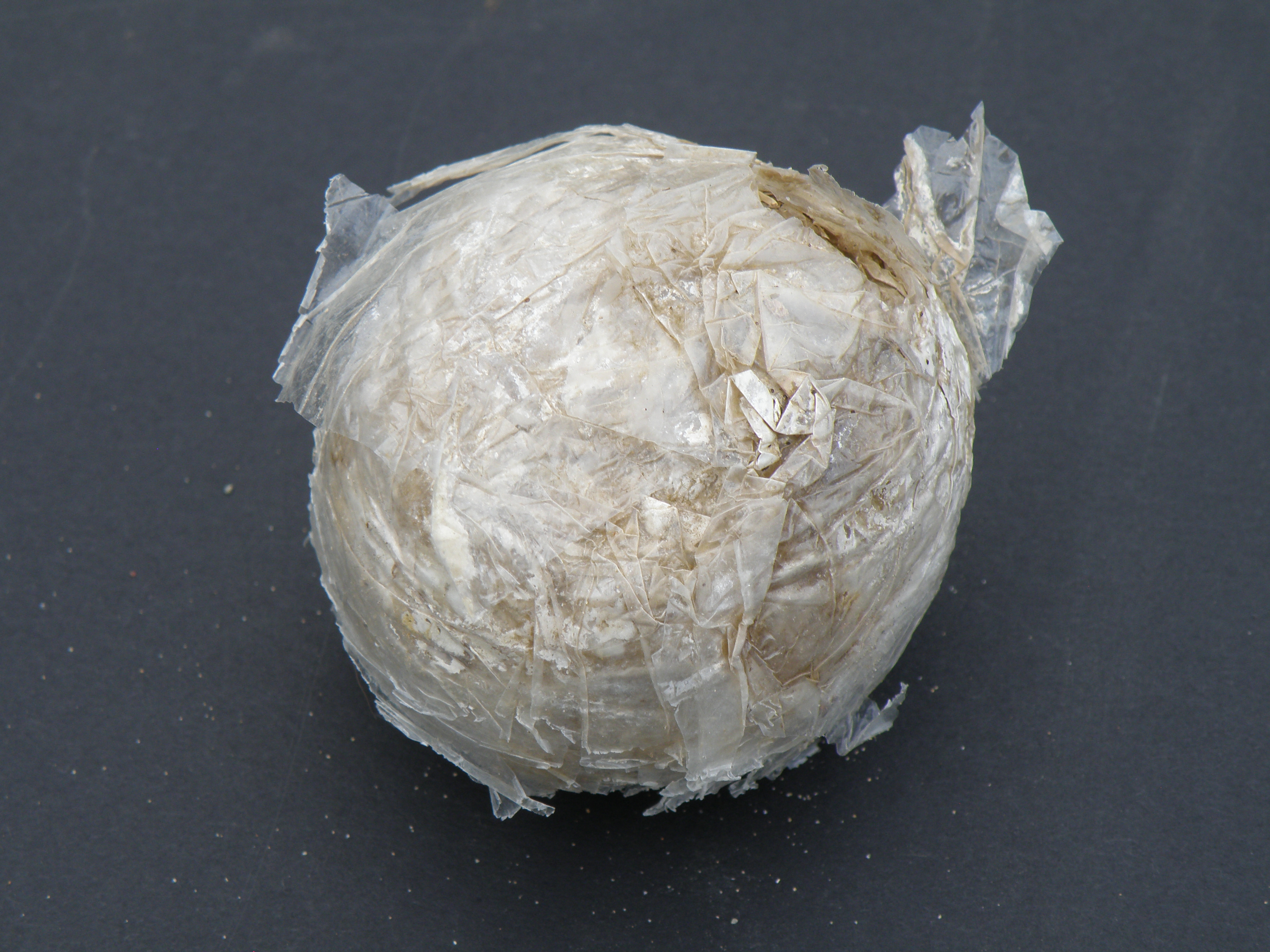
peeling cellophane tape ball

This ball made with cellophane tape is barely holding together.  It’s surface is fragile and the adhesive is losing its bond.  As it starts to peel apart, sand caught between the layers is released.

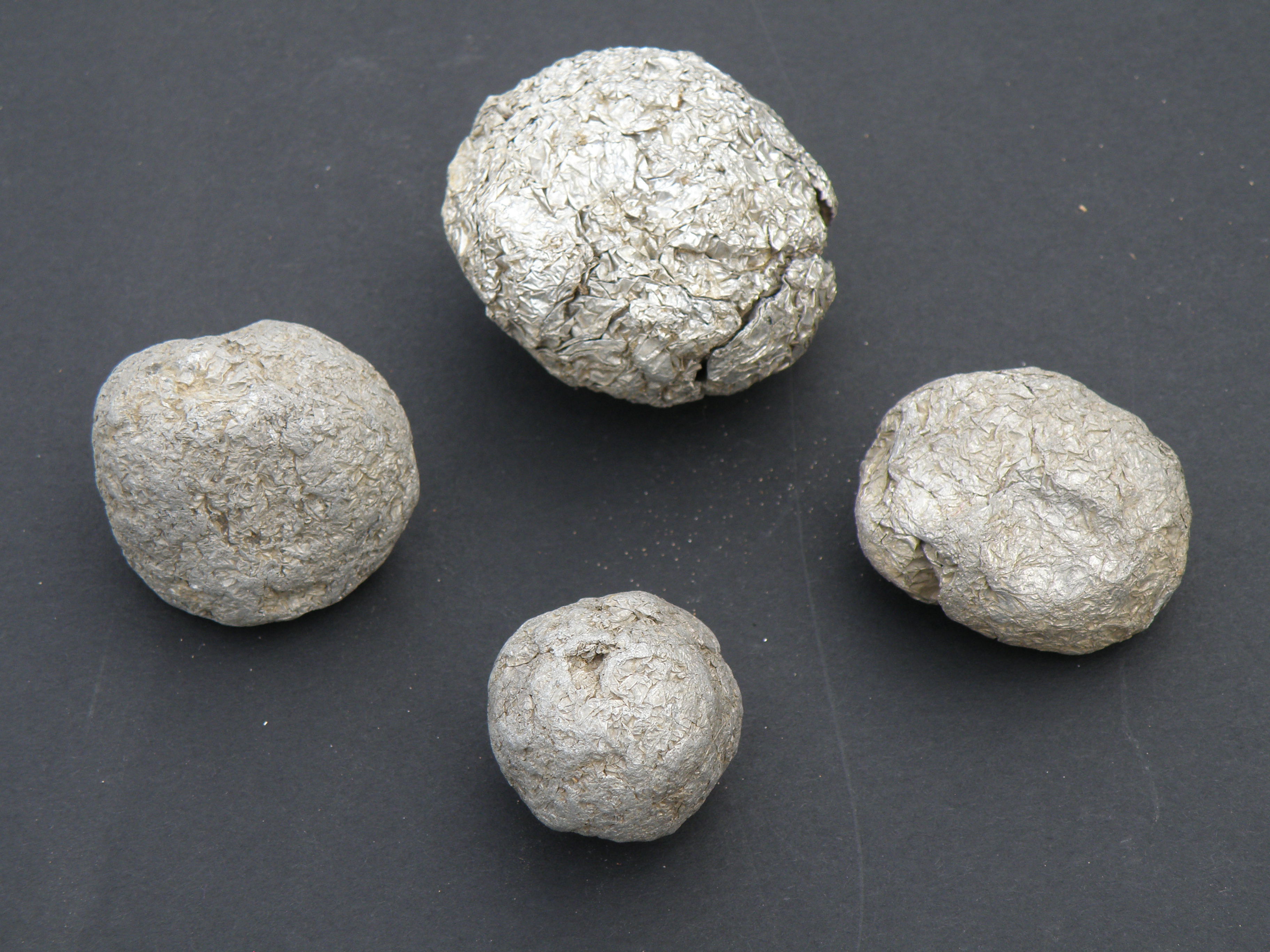
compressed aluminum foil balls


The four balls pictured here are made from compressed aluminum foil.  Perhaps they were used for cooking and once their original purpose was over, the owners rolled the foil around the palms of their hands like one would do to form a ball from either clay or snow.  The funny thing about aluminum foil and the river is that the water somehow squeezes it even more and the ball becomes denser and more solid.  Anyway, I hope you enjoyed looking at this rare and somewhat tongue in cheek odd ball collection where the sum is definitely greater than the parts!  Spring will be arriving soon and the Ohio River is calling…until next time.
electrical tape balls

Read Full Post »

« Newer Posts - Older Posts »