Feeds:
Posts
Comments

Archive for the ‘ecosytem’ Category

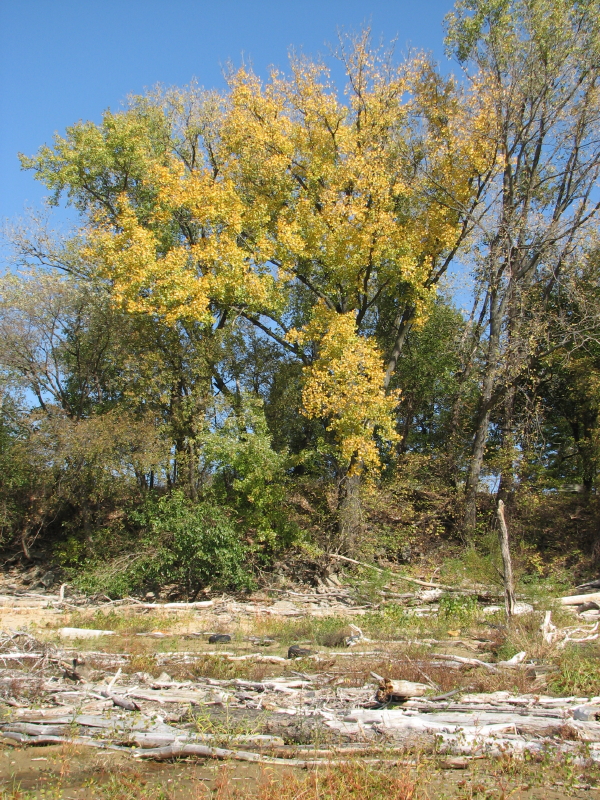
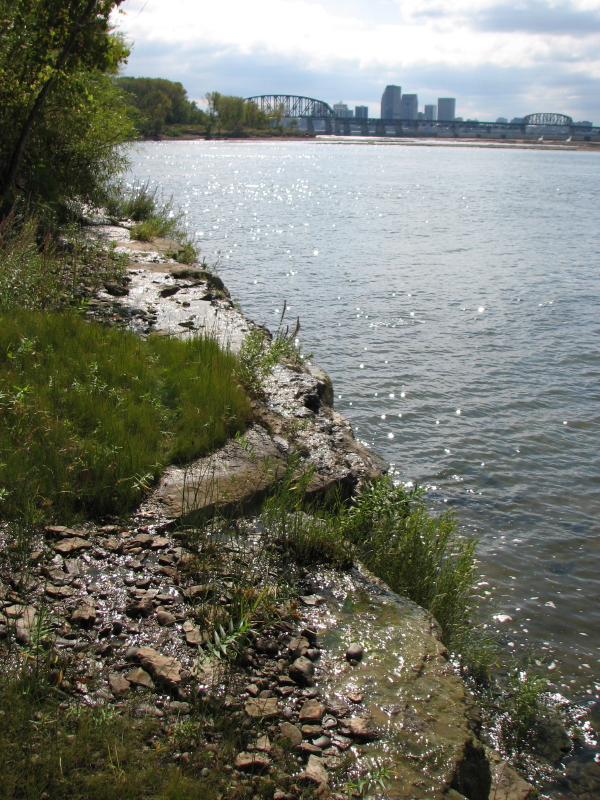
Today there is a leafy smell in the air at the Falls of the Ohio.  Already, most of the leaves are on the ground and every gust of wind takes a few more away from the branches.  I often think about John James Audubon walking these grounds two hundred years a go looking for birds to draw.  Many of his earliest avian subjects were captured on paper here.  Audubon’s time at the Falls gave him training as both an artist and naturalist that would serve him well later in his career.  In my own eccentric way, I’m creating an alternative ornithology that parallels the genuine one.  Here is the day’s birding adventure.
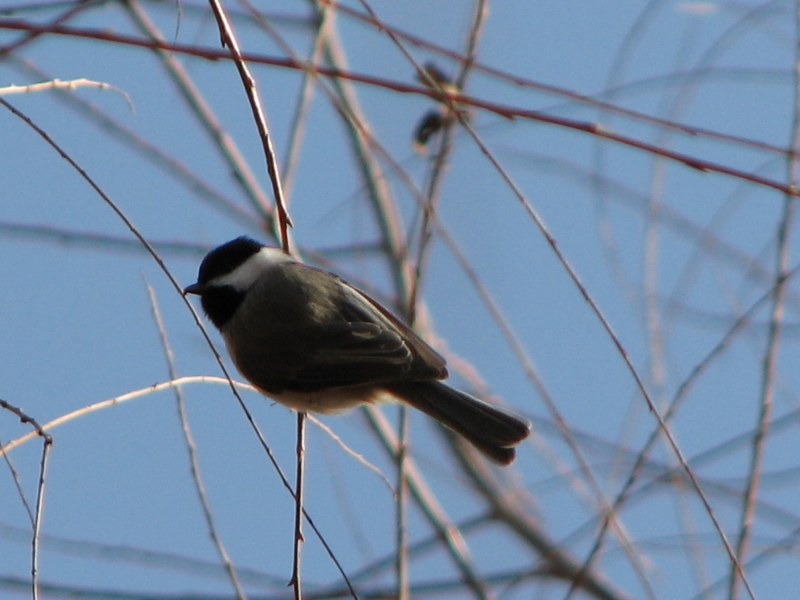
I usually hear the Carolina Chickadees before I see them.  They are to my mind comical birds because they seem to get into every position possible in their quest for food.  They will examine from every angle whatever it is that is the object of their attention.  Most of the time I see this bird in pairs which makes me wonder if the males and females stay together year round?  I will have to read up on that.  As far as I can tell, there isn’t a good way to tell the sexes apart in this species.  You can walk in the woods and not see or hear anything …and then suddenly it seems the birds find you!  I’ve noticed that different species will flock together as they travel through the woods.  Here’s a sampling of what I saw along with the Chickadees today.

Migrating southward from their boreal homes in the north, Golden-crowned Kinglets mix freely with other species.  They are tiny, ever on the go birds, and it is difficult to photograph them.  The kinglet in the above picture is a male identified by his orangey crest.  The female’s crest is pale yellow.  This is another bird I hear before seeing with their “dee, dee, deee” call notes.  It’s common to see woodpeckers and their allies joining into this group.  Here’s a female Downy Woodpecker plying its trade among the tree bark.  The male has a red dash on the back of his head.

 Woodpeckers have adapted very stiff tail feathers that they use to brace themselves as they hammer away on the wood.  You can see the same thing on a bird that is so cryptically colored that it is easy to miss.  I saw several Brown Creepers flying with the Chickadees and Tufted Titmice today.  This was the better of the Brown Creeper images and you can see how easily it would be to overlook this bird.  Notice its stiff, v-shaped tail feathers that it uses to brace itself as it probes the wood.
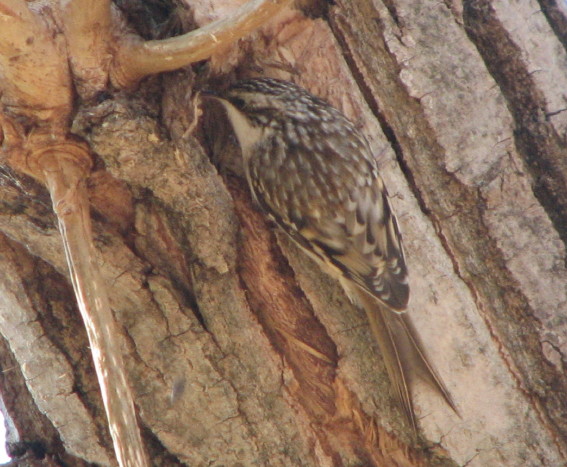
Looking just like wood bark, the Brown Creeper will fly to the base of a tree and work its way up.  It is looking for small insects that are hiding in the crevices of the bark.  These bird are also very small.  It’s also common to see this bird also traveling in the company of migrating nuthatches.  Such was the case on this day, here is a White-breasted Nuthatch that was on an adjacent tree to the creeper.
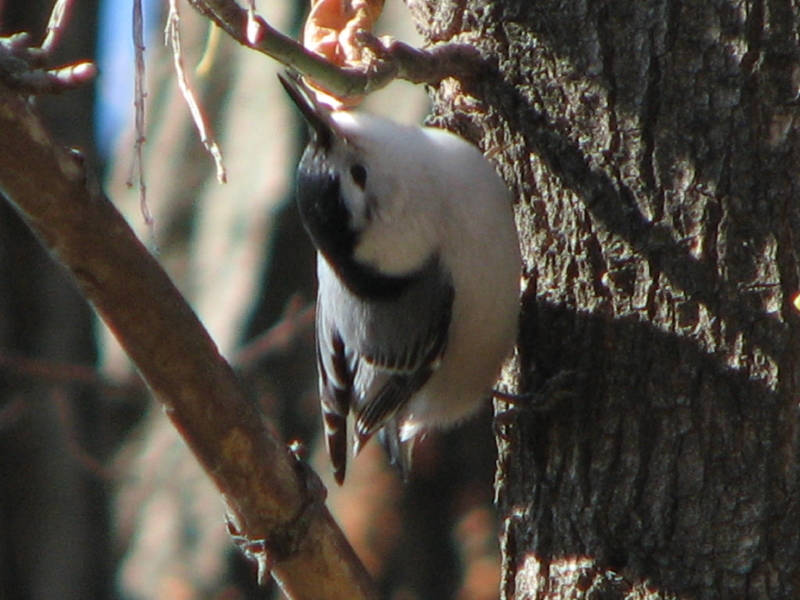
Aptly named, this nuthatch has a snowy-white breast feathers.  It likes to explore the tree’s surface in a head down position and has this nasal sounding call note that it frequently gives as it hunts for food.  Of course, I have saved one specialty for you that is very rarely glimpsed at any time of the year.  Patient birding rewarded me with this sighting of the Thick-billed Thrasher that was also traveling with these other birds.
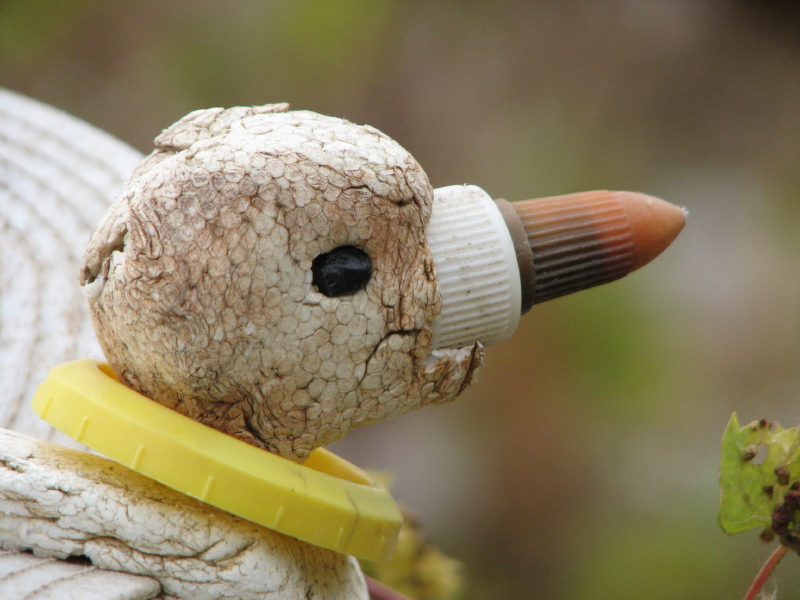
From this detail, it is easy to see why this bird is called the Thick-billed Thrasher.  It is a seed eater and specializes in pine nuts.
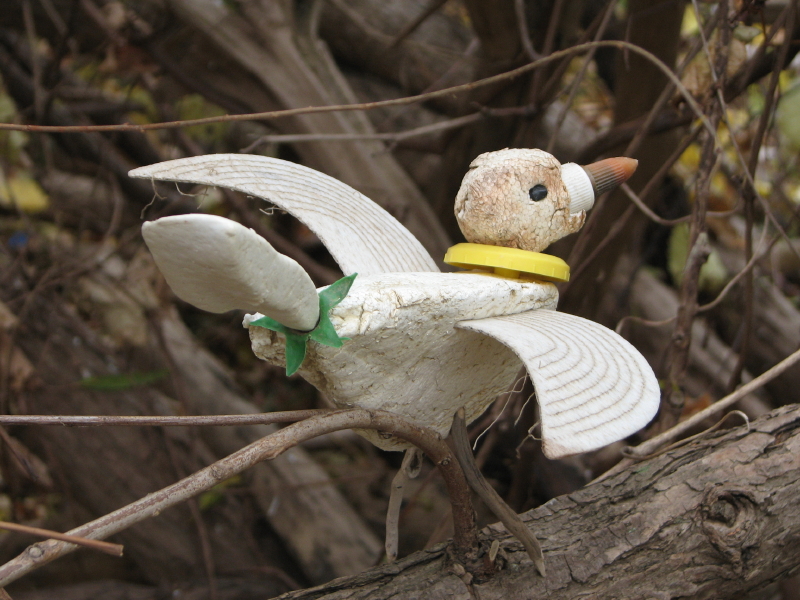
Males and females of this species are also difficult to tell apart.  I spotted this bird resting among the willow branches in the eastern section of the park.  I noticed others of its kind exploring the leaf litter for whatever food supplements its main diet.
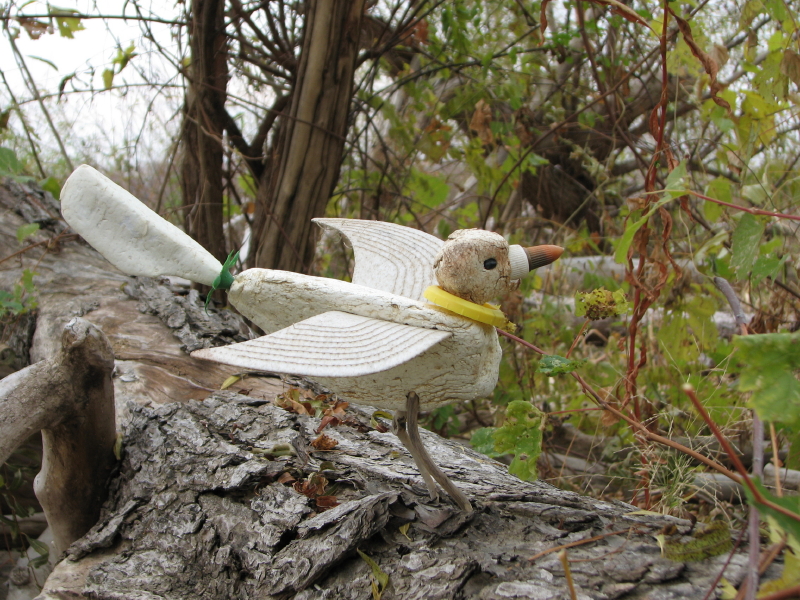
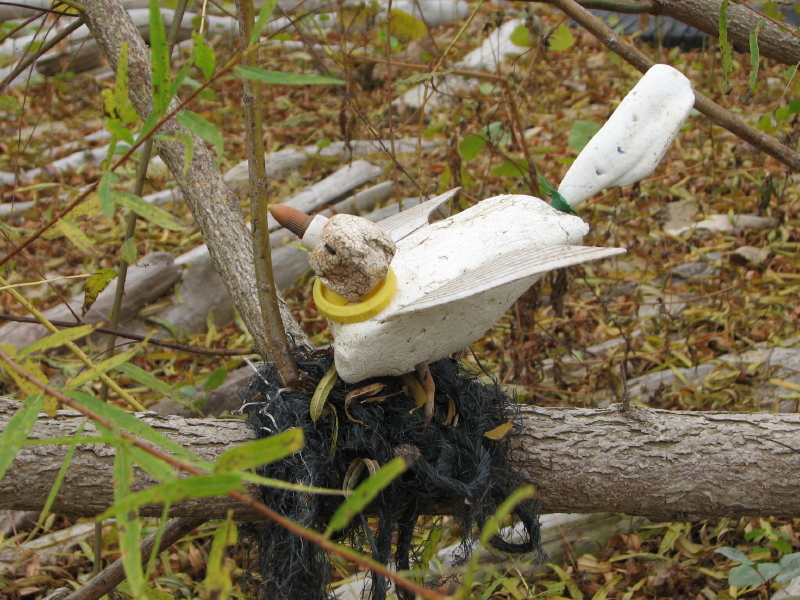
A final look at the this thrasher doing something a bit unusual.  This bird has discovered some barge cable wound around a branch and it seems to have stimulated a nesting response.  It sat on this rope for a few minutes before moving off with the rest of the traveling birds.  The Thick-billed Thrasher’s ultimate destination are the pine forests of the southern United States.
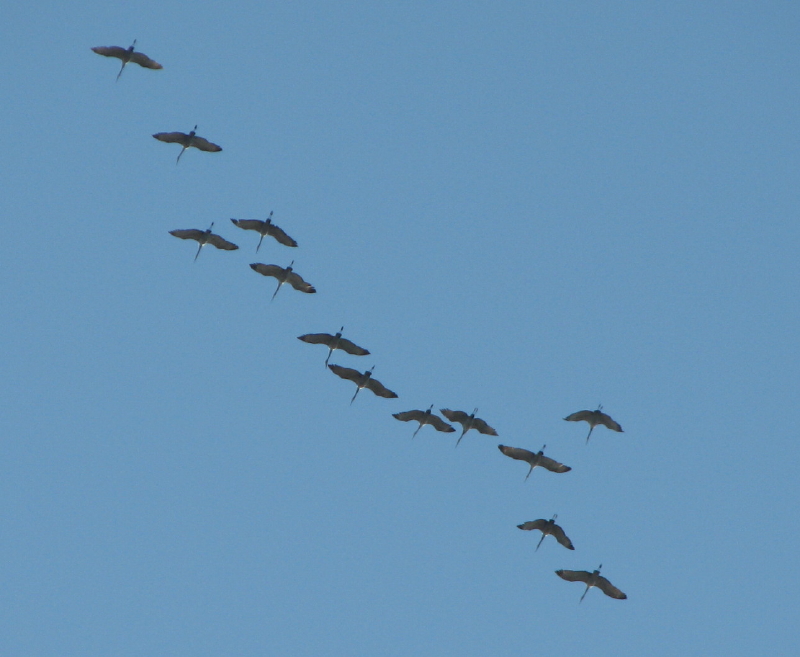
On my way back to my car, I made one other special bird sighting.  I also heard these birds before I saw them and immediately looked up into the sky.  Flying high above me in wavy, v-shaped formations, flocks of Sandhill Cranes were winging their way south.  For me, this is another sign of the season and I always associate the coming of very cold weather with seeing these cranes.  I wonder if Audubon felt similarly?
Read Full Post »

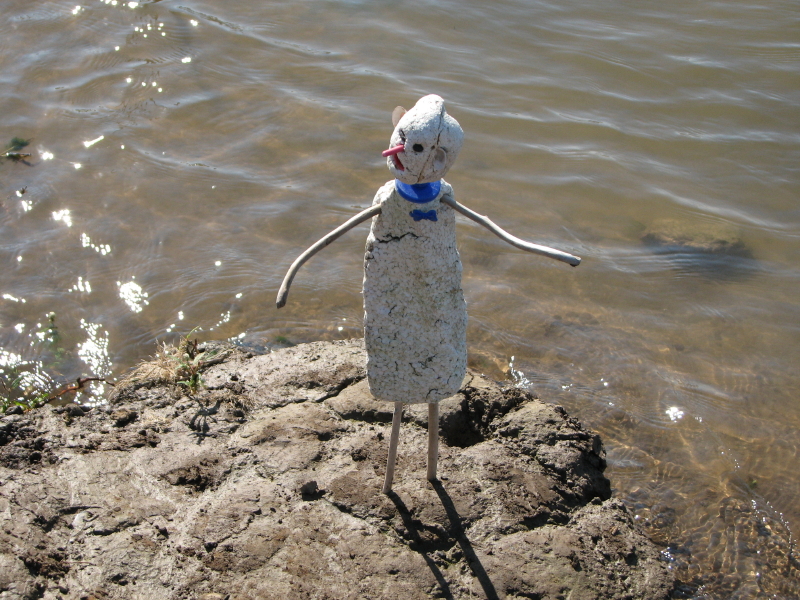
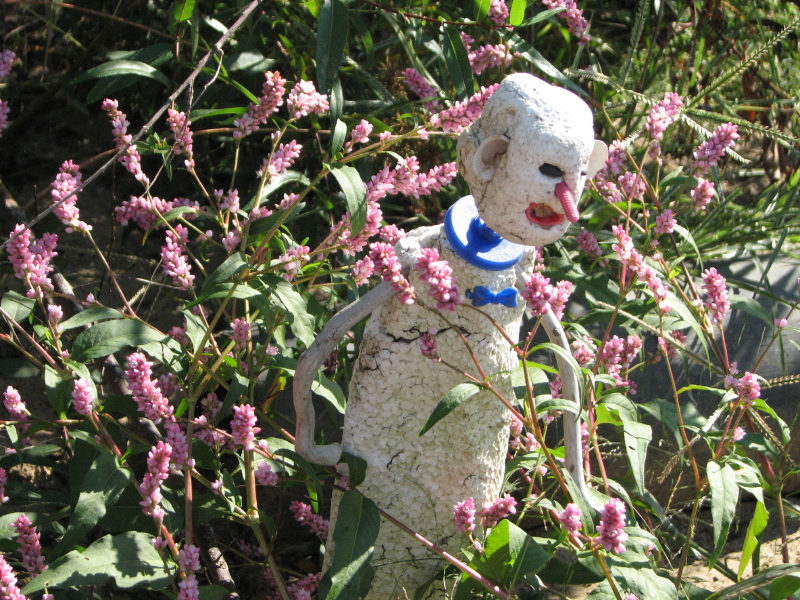
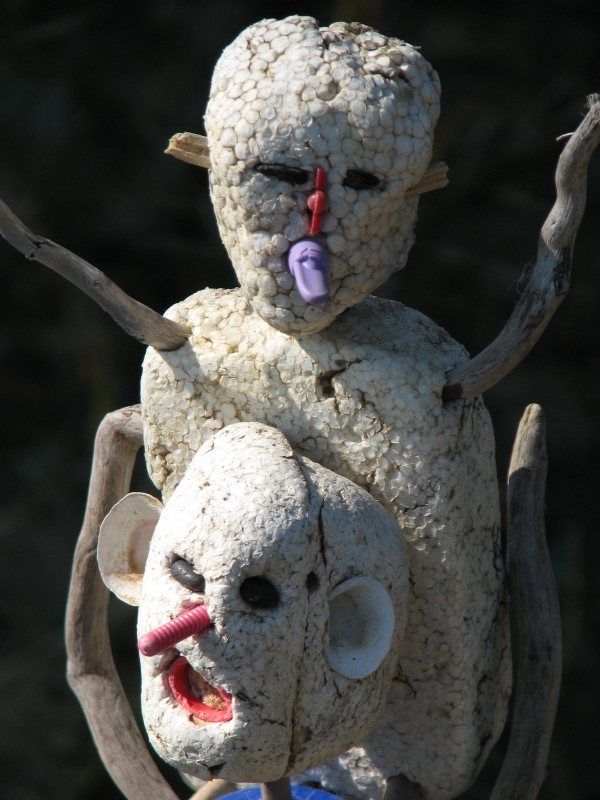
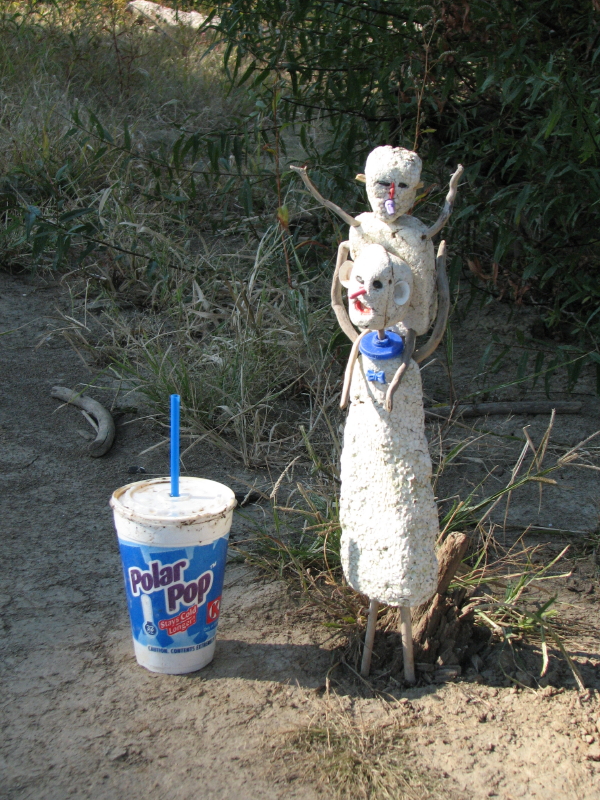
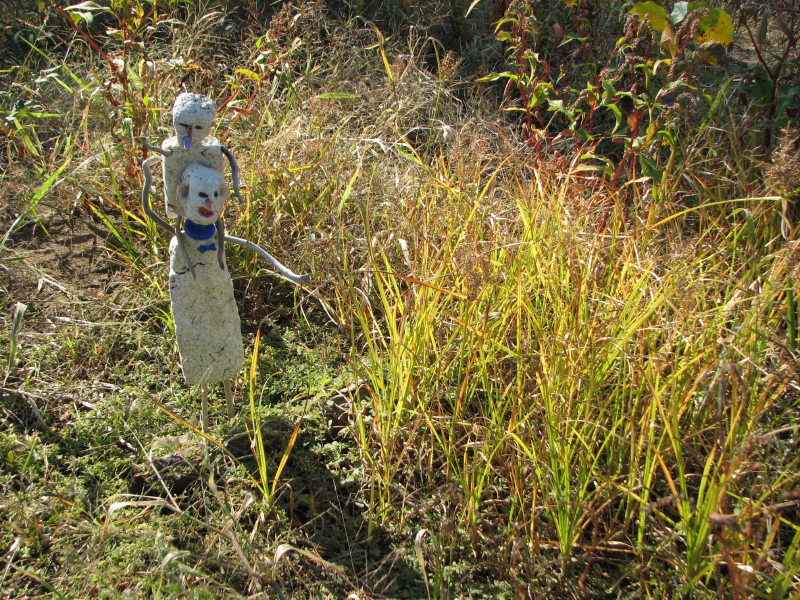
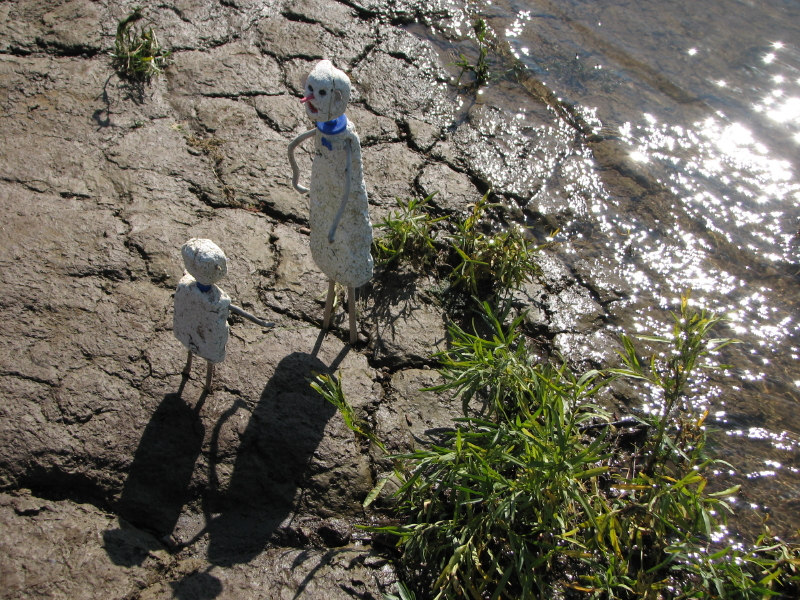
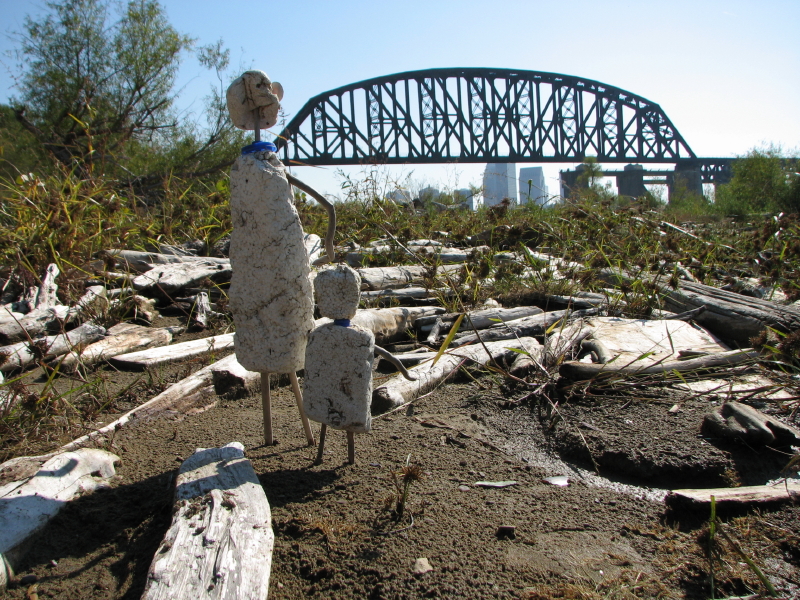
It is late autumn at the Falls of the Ohio and soon all the leaves will be gone having succumbed to the wind, rain, and frost.  For now, there is still color and it is during this transitory moment within the season that the memories of past loved ones comes to my mind and heart.  I was walking along the riverbank recently and thinking about my grandfather and so I created this story for him out of thanks, sticks, and river-worn Styrofoam!

Perhaps it’s the shimmer and play of light upon the water that helps those who have gone before to communicate with the living?  I can picture him now, very tall and very thin and neatly dressed with his fancy bow-tie.  Because he took an interest in me as a boy, I in return have never forgotten him.  My grandfather was not a particular eloquent man, but as the saying goes and there is truth in this…actions do speak louder than words. 

Grandpa or Opa as I sometimes called him loved to tend his small flower garden.  In the heart of the old city this was how he kept his connection to the soil.  And because his garden was tiny it was also precious and everything that happened in it took on added significance.  When a new flower bloomed …that was a cause for celebration as were the times when some new never before seen bird would alight in the yard even for the briefest of moments.  All these little events were full of meaning  to my grandfather and now I see that I inherited this ability too.  Finding wonder when life is at its most mundane is a true gift.

When I was a very small boy my Opa would put me upon his shoulders and give me a unique perspective on the world.  He moved along the city’s canals so easily and I was able to take in all that was going on around me.  I would describe him as being a patient person, but there were some things he found difficult to tolerate.

Perhaps at the top of his list was injustice.  He had lived during the hard times of a world war when his city was occupied.  He had witnessed and experienced how his fellow human beings could be callous and cruel to each other.  When the war ended and prosperity returned, it bothered Grandpa to see how the very land itself was treated with little regard.  He knew about the magic that could happen even in the smallest plot of dirt.  To treat the ground as a garbage can is an injustice to the earth.

Our walks together were always learning opportunities and this was fun for me.  Grandpa seemed to have an encyclopedic knowledge of the living things around him.  He said that life was so interesting that he needed to know about it, but that he was alright too when there were no answers.  He also found contentment in the mystery of it all and that somehow it fit together and worked.  His true position in life was balanced between the twin poles of knowing and not knowing.  It was important to remain open to recognize and receive wisdom when it did come his way.

If my Grandfather could see what is happening with our treatment of the environment…I know it would upset him.  Before the war (which was bad enough) there was also a world-wide depression.  To get by and make ends meet, everything that could be reused and repurposed was.  People even knew how to fix and repair things because they had to if they were going to have anything extra at all.  Creativity and thrift were virtues because they were survival skills.  Nothing was thrown away without careful consideration.  Now economies are based on mass consumption and disposability and something else has been lost in the process.

Grandpa told me that if we didn’t take care of all our precious resources, then we were in danger of losing ourselves.  The more we change the land, the more it changes us and that our ultimate fate is intertwined with what happens in the real world.  Here on the banks of the Ohio River my Grandfather’s concerns have come back to me.  Now I am a father and someday I too may become a grandparent.  During my lifetime, I would like to feel that we can be reawakened to the needs of the planet so that we could build towards the most positive and healthy future possible.

Read Full Post »


Another deceptively nice day at the Falls.  I say that because our area is experiencing an acute drought.  We have had just about an inch and half of rain the last couple of months.  It has also been unseasonably warm with highs in the low 70 degree range for a couple of weeks.  Again, the odd acting weather has seemed notable to me.  There has been color in the leaves, but they have been so dry.  In areas, no fires are allowed because the conditions are right for a conflagration.

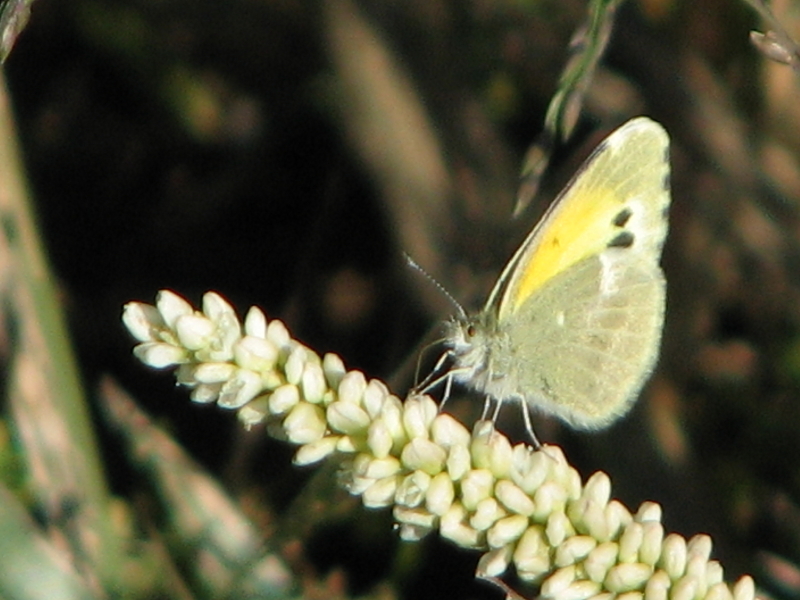
Because we haven’t had a hard frost yet, you can still run into butterflies at the Falls of the Ohio.  Pictured here is a Dainty Sulphur butterfly also known as the Dwarf Yellow (Nathalis iole).  This is a tiny, dime-sized butterfly that is extending its range across the country.  You can still find Monarchs and Viceroys, but they tend to be ragged specimens just waiting for the frost to do them in.  I have enjoyed butterfly watching this year and I look forward to building on my experiences with them in 2011.

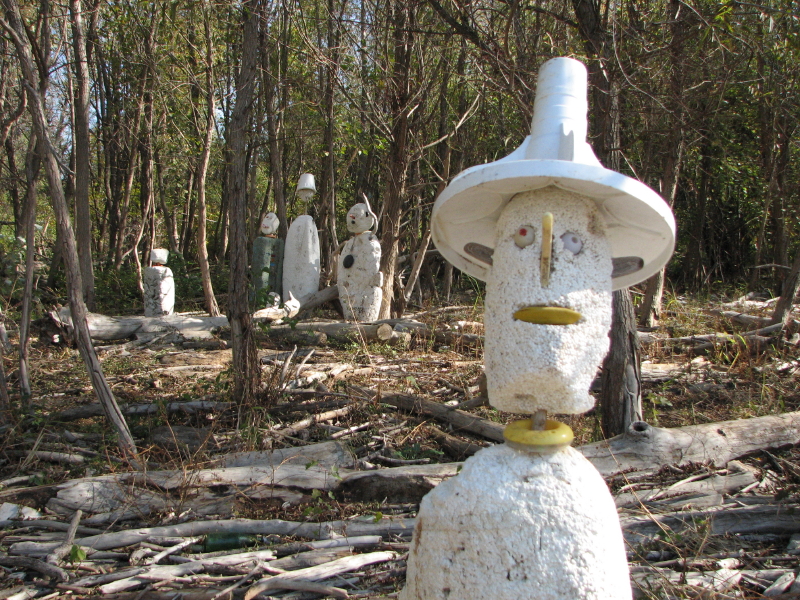
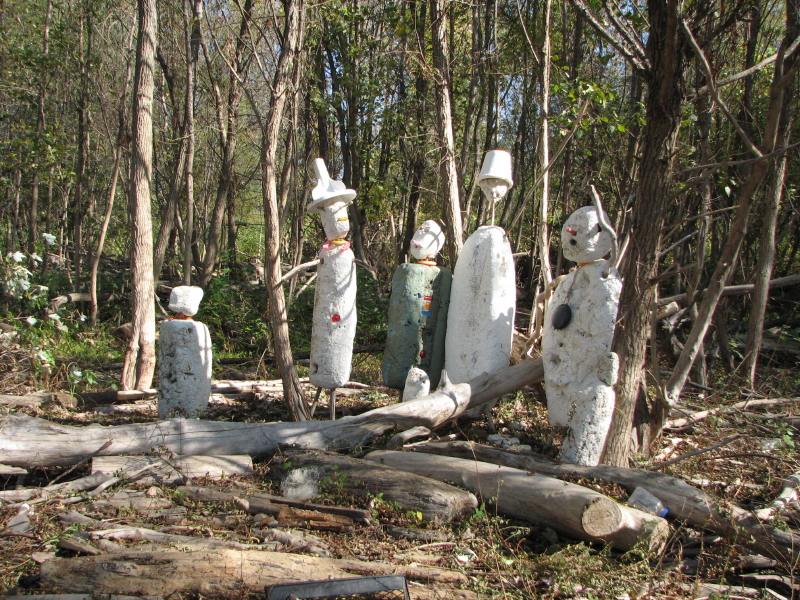
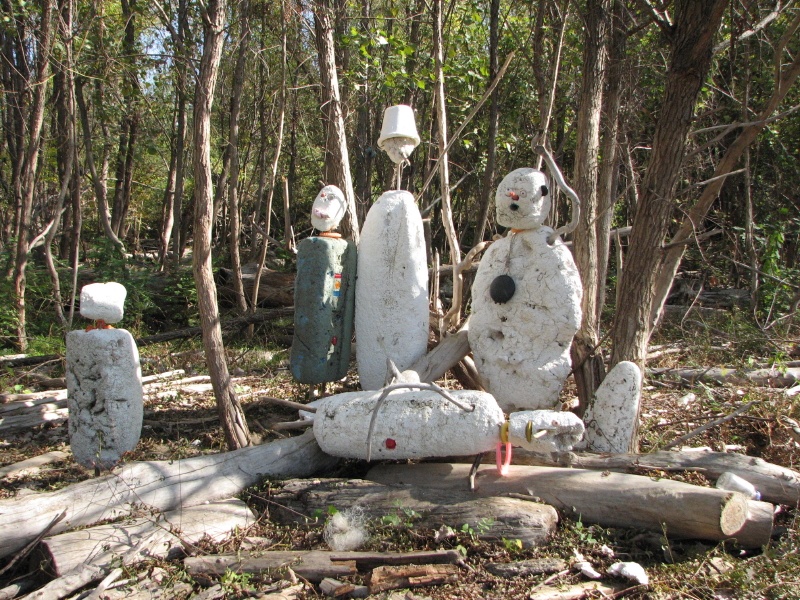
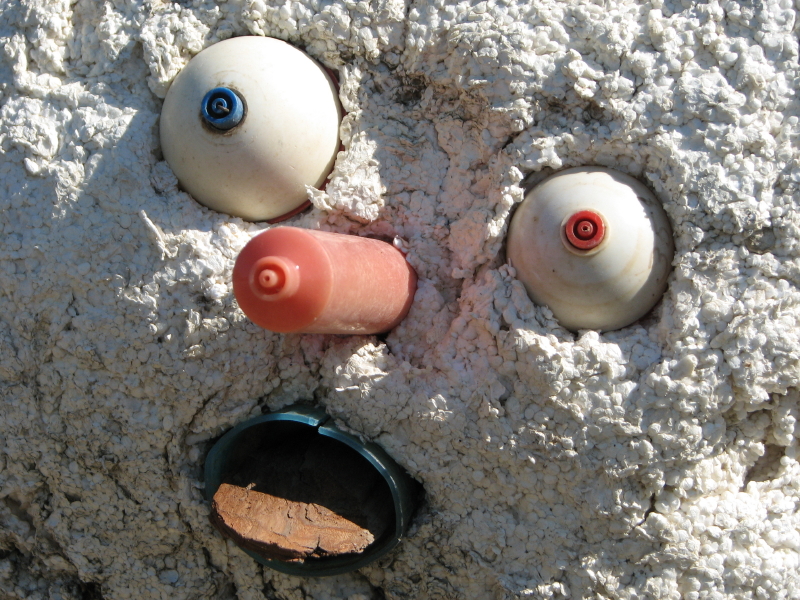
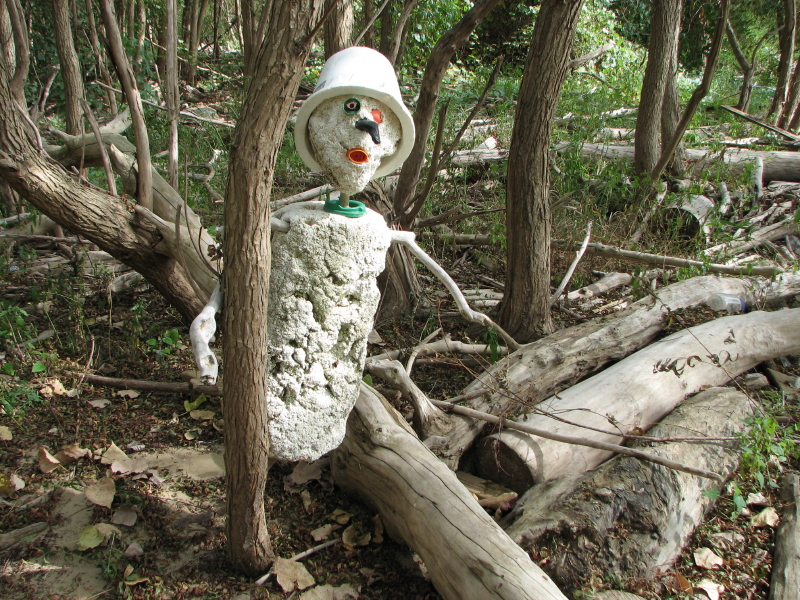
I returned to my trusty studio spot under the willows for this adventure.  I don’t have much of a story this time…just the straight scoop on what happened on this trip.  I was pleasantly surprised to find that earlier visitors had taken it upon themselves to upright the sculptures that were knocked down and assaulted.  See previous post from a few weeks a go for that story.  The figure I have named “Marlin”…I did find on the ground and he was missing his fishing bobber eyes, but I was able to fix him in short order.  My collecting bag always has a few stray pairs of “eyes” for any emergency.  Finding that somebody actually cared enough to set these pieces up inspired me to add a new work to the group and here is one of the first images of it.  I call this one the Agitator for a couple of reasons. 

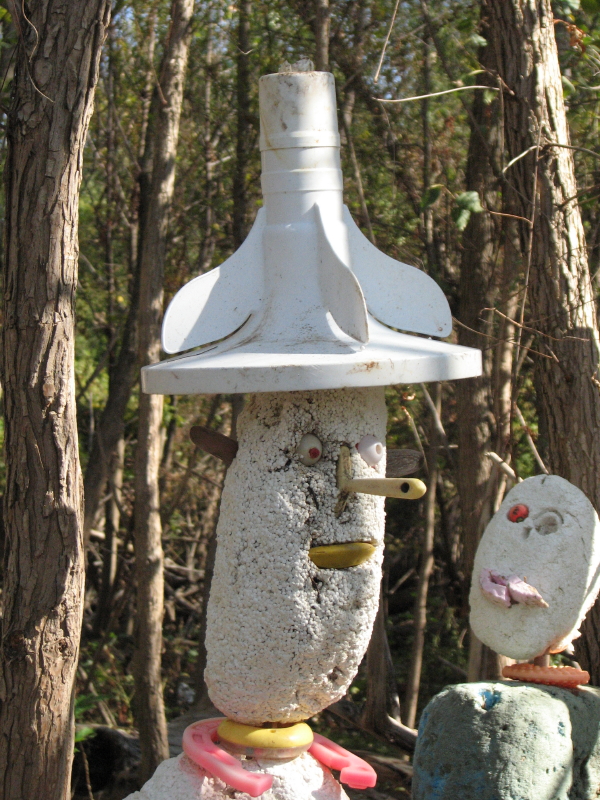
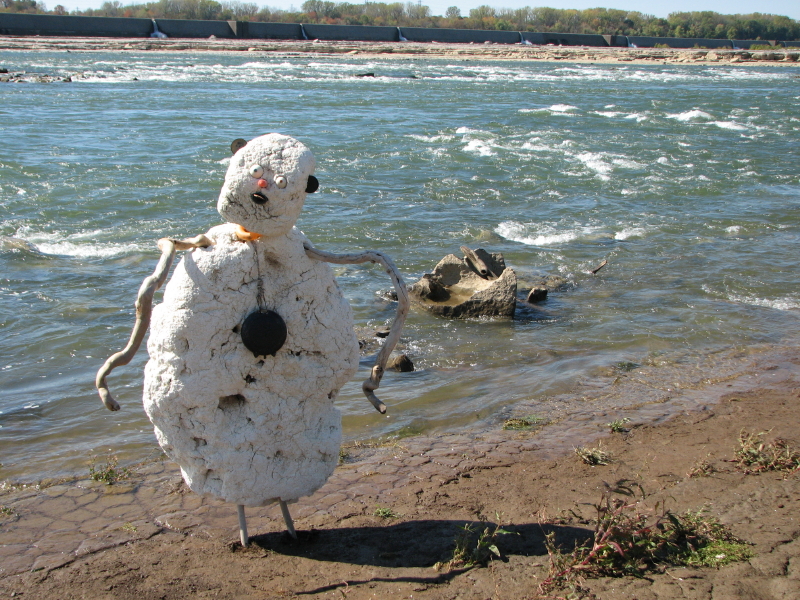
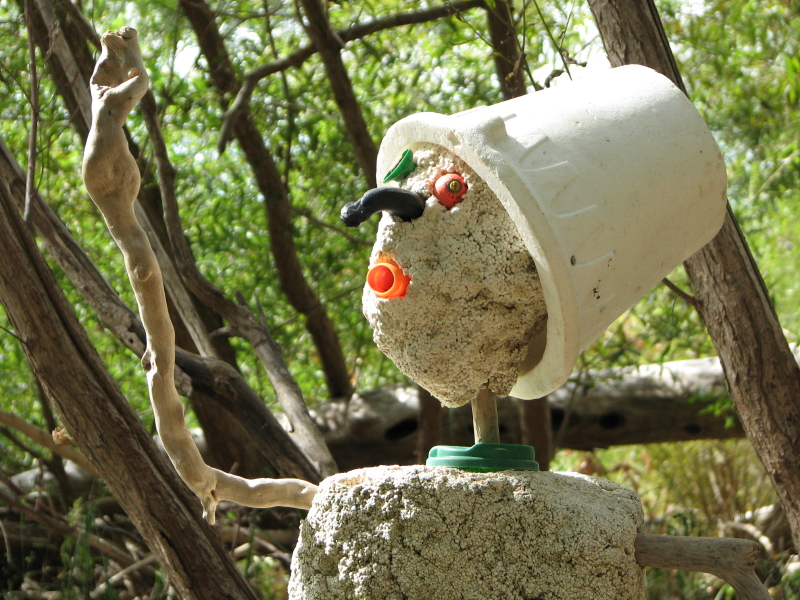
The first reason comes from his hat which is the agitator from an old washing machine that the river parked here months a go.  The eyes are again found fishing bobbers and the nose is the handle from an old paint brush.  I find a lot of brush handles, sans bristles, at the Falls of the Ohio.  The figure is a big one and would look nice in the space that was left open in this particular grouping.  Here is my only shot of this piece standing with his Styro-family on a sunny day in the Ohio River Valley.

The second reason I called this newer work Agitator is the second after I snapped the above photo…he fell down and his head split apart.  Sounds gruesome, but remember it’s just polystyrene. I became agitated to have to remake the head, but stuff like this happens using such poor materials.

I went back to my Styrofoam cache and found the next best head and created version two.  I think the second incarnation looks a little goofier, but maybe this was what was intended to happen all along?

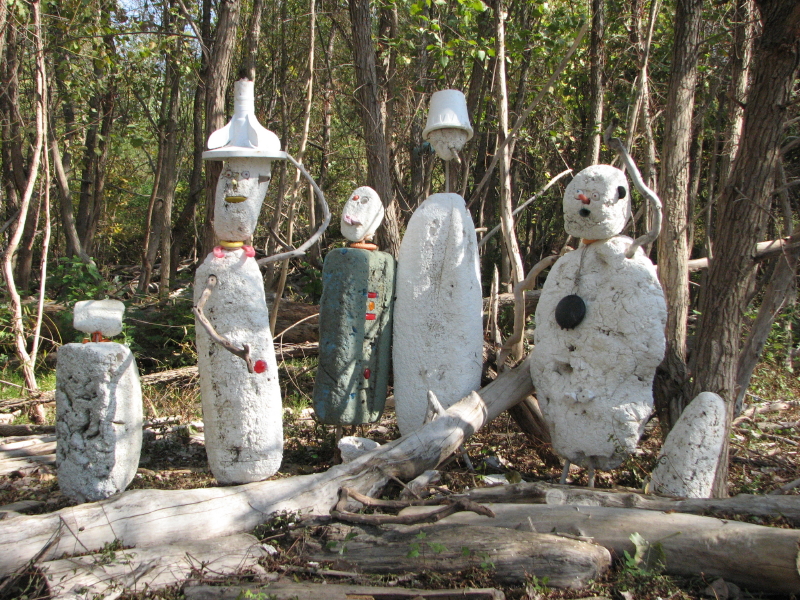
Since the piece was now different I added the plastic horse shoe and changed the positioning of his arms.  This is the way it looked for the second group portrait.

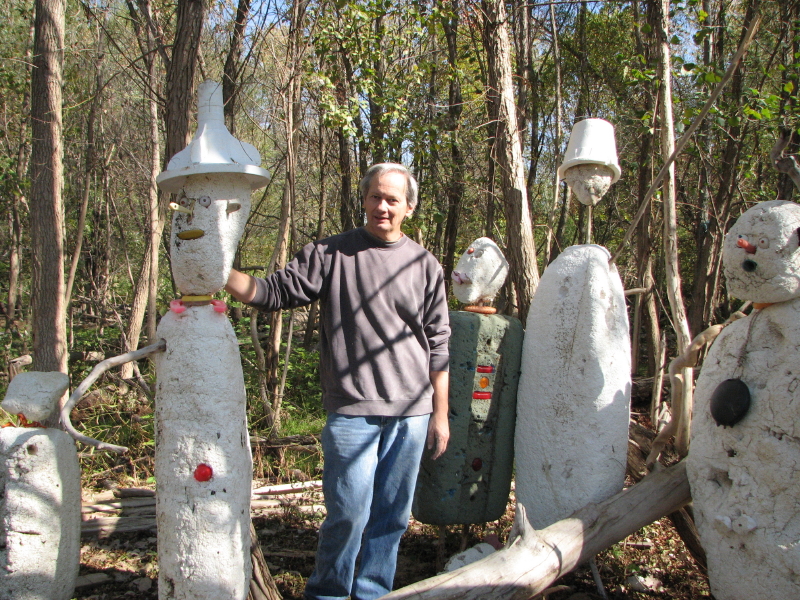
While I was making this latest figure, I was approached by a couple of people interested in what I was doing.  I had two nice conversations and posed for a couple of images.  I took the opportunity to ask one of the people to take my picture with my Styro-family and this one is for my mother!  It’s one of the rare images of the artistatexit0 in this blog and gives some sense for the scale of these chunks of Styrofoam floating in the river.

I’ll close with this final image of the group facing the river.  For the short time these figures remain standing, they are a fun surprise to come across while hiking among the willows.  Happy trails to you…

Read Full Post »

He ran through the willows as though nothing could touch him.  His foot speed was something to behold and he took great pride in that.

In all the land there was nothing that could catch him…or so he thought.  All that was about to change.  Perhaps it was the rhythmic pounding of placing one foot in front of the other, but atypical thoughts were now crossing his mind.  He did notice something in the land for the first time that disturbed him and so he ran across the breath of it to see if it was also true there as well.

The swift figure ran over to the driftwood that had been layered at the Falls after the last flood…and discovered that his pursuer was here too.  Next he tried the river.  Surely, the currents would have washed it all away by now?  But he found that what was bothering him was gaining speed as well.

By the water, the runner found that it was just as bad here and in a moment of panic he decided to run home.

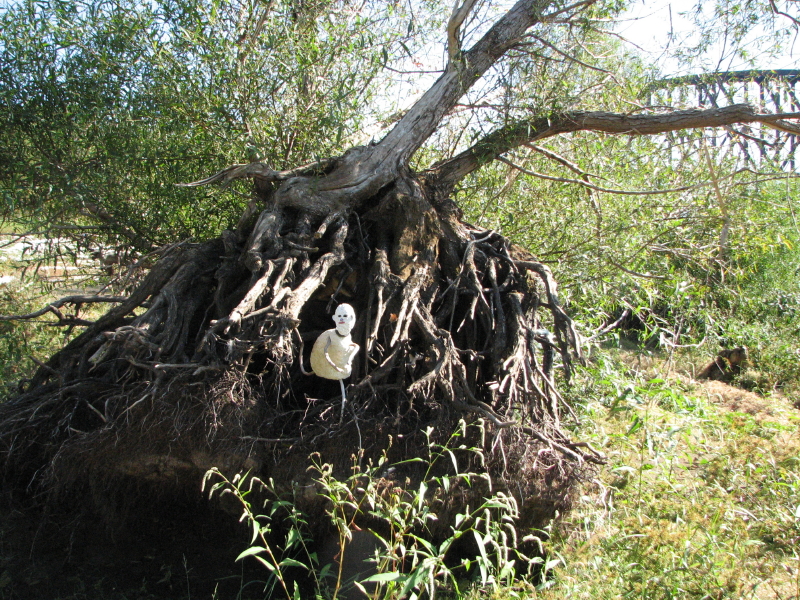
He lived in the roots of a favorite willow tree and he found what was vexing him also now found him here at his home.  The runner had finally come across an opponent that he could not put behind him.

In the willows, it was like this discarded net he nearly ran into.

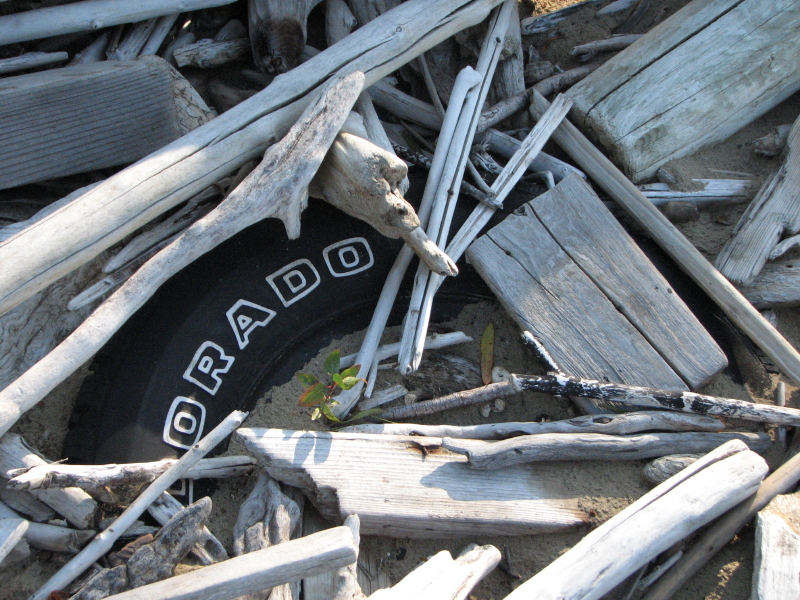
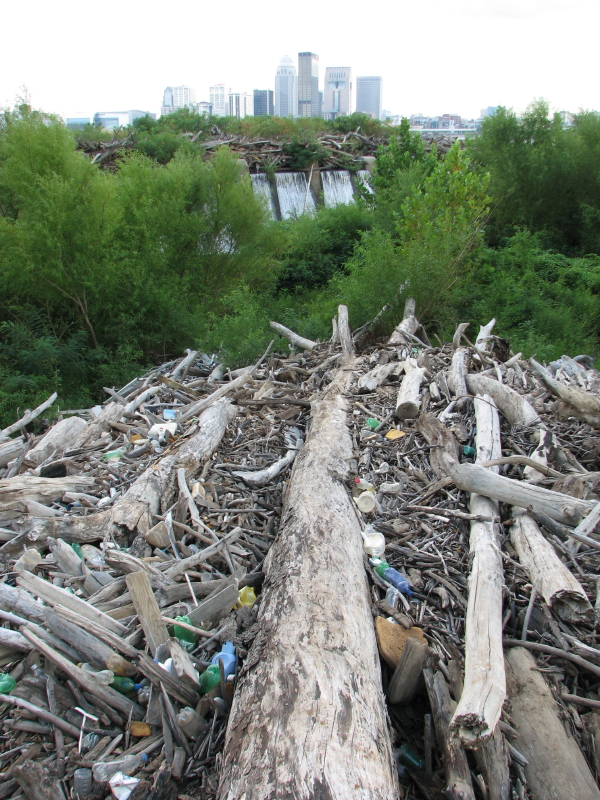
By the driftwood, it literally was everywhere…on top and intermixed with everything else.

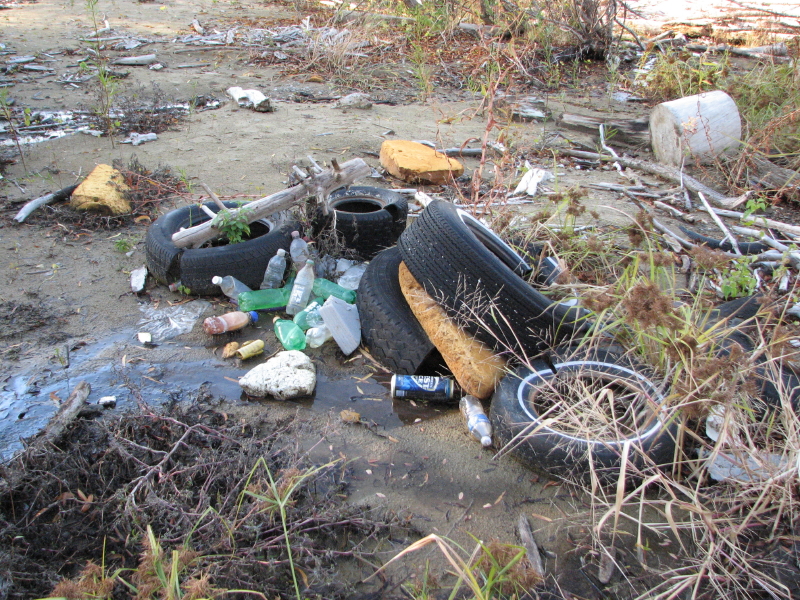
By the river it was perhaps even worse.  There was rubbage floating along and drifting by with the currents.  Who knew where this stuff would eventually end up?

He even found it by his beloved home and he wondered why he hadn’t noticed this before now?  Something in the day had opened his eyes to the truth around him…everywhere he went he could find discarded waste and it bothered him. Yesterday, he was able to put it out of sight, but today was a different.  The runner found what he couldn’t out run was a sense of responsibility he was now feeling for the land that was his home.

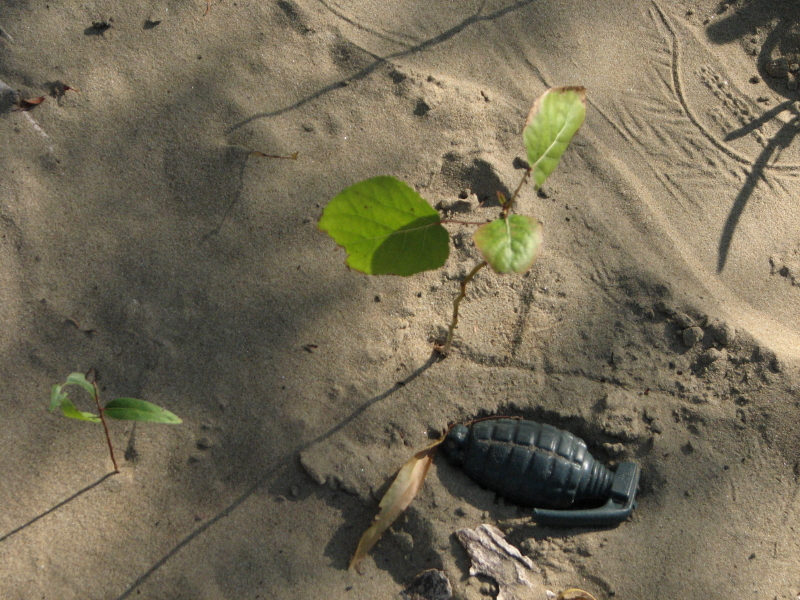
The trash that was everywhere to be seen, ( if only people would choose to see it), was like a grenade in the sand just waiting to explode.  At some point, it would enter the ecosystem in even more intimate ways and affect the lives of all that live here.  For the first time, the runner realized that he had a shared responsibility to the other life around him and that ultimately, they would all share the same fate together.

Read Full Post »

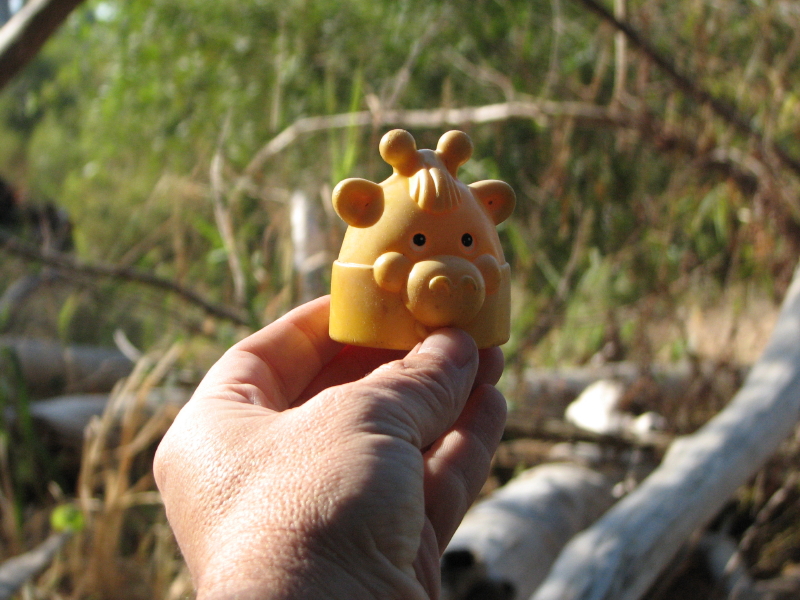
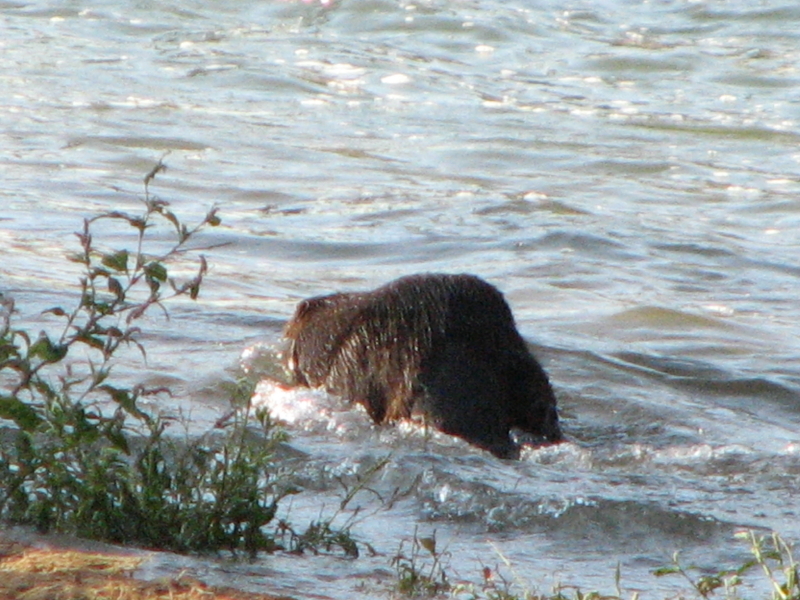
I was looking around the driftwood for whatever there was to find and having a good time.  I found this toy giraffe head with the puffy cheeks.  I also had the good fortune to watch from a distance a beaver that was cruising close to the riverbank.  It’s only the second one I’ve seen out here that was alive.  I kept trying to get closer to take a better picture, but soon the beaver spotted me and dove underwater.  I never saw where he eventually resurfaced…but I know they are out here.  Their chewed willow sticks are among my favorite materials to use for my art.

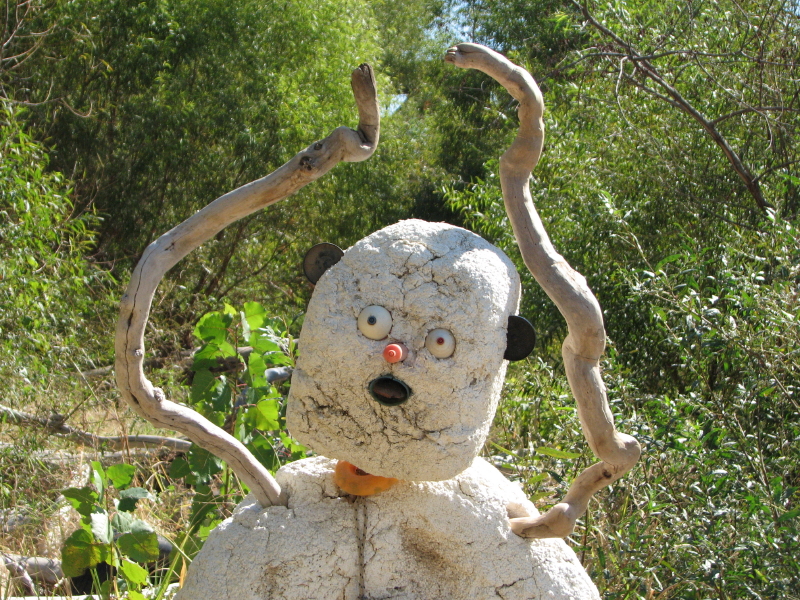
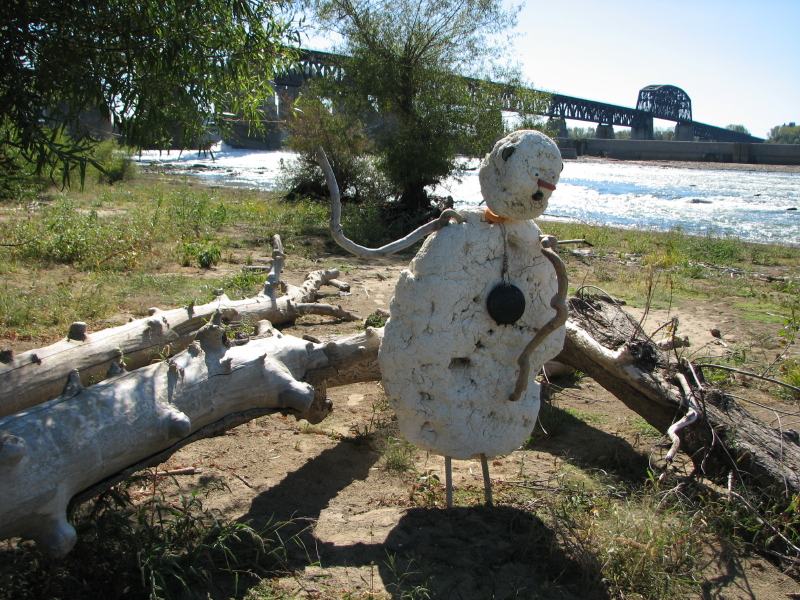
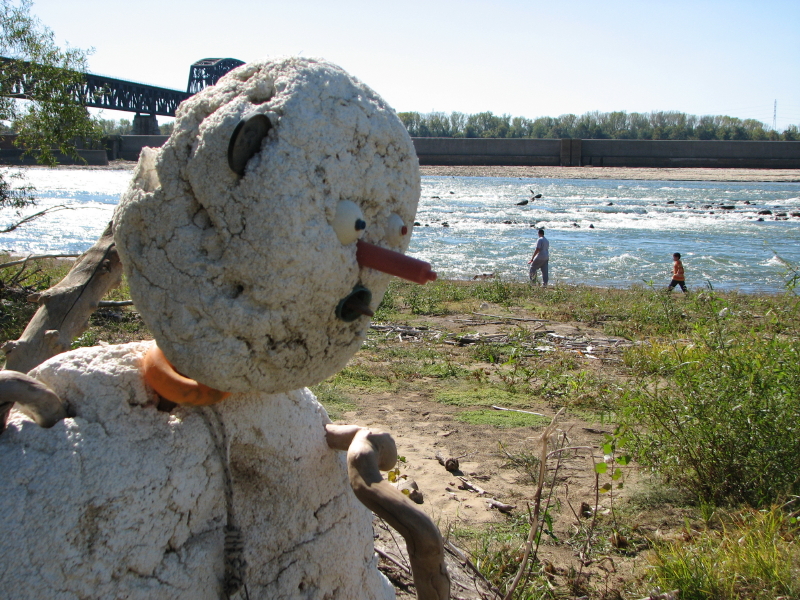
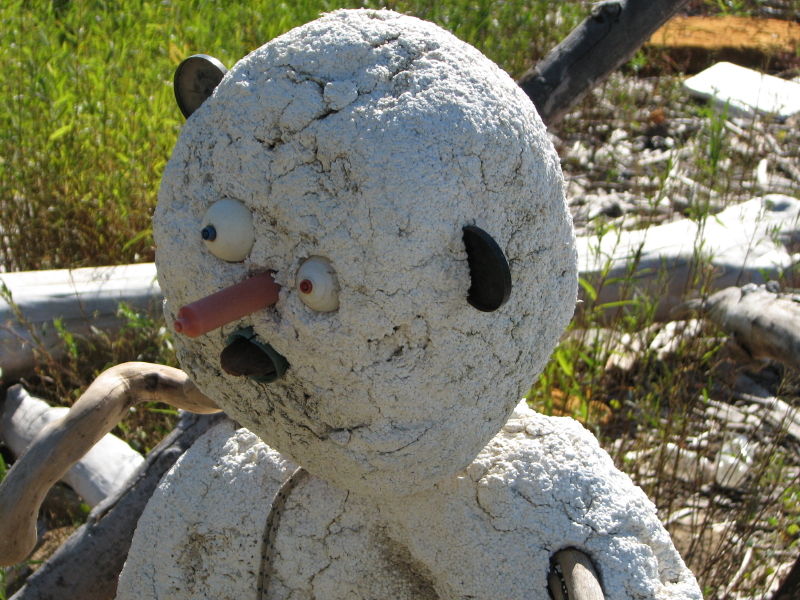
It was shortly after the encounter with the beaver that I met Marlin for the first time…in fact he tried to scare me away!!  He took me by surprise and I don’t know how someone or “thing” so large was able to approach me without my knowing it?  Soon I learned that Marlin can move quietly when he wants to.  Here are my first camera images of him that I shot reflexively as he attempted to frighten me away.

When I clearly was not going to flee, his face actually took on a more fearful expression as though he was more afraid of me to begin with. 

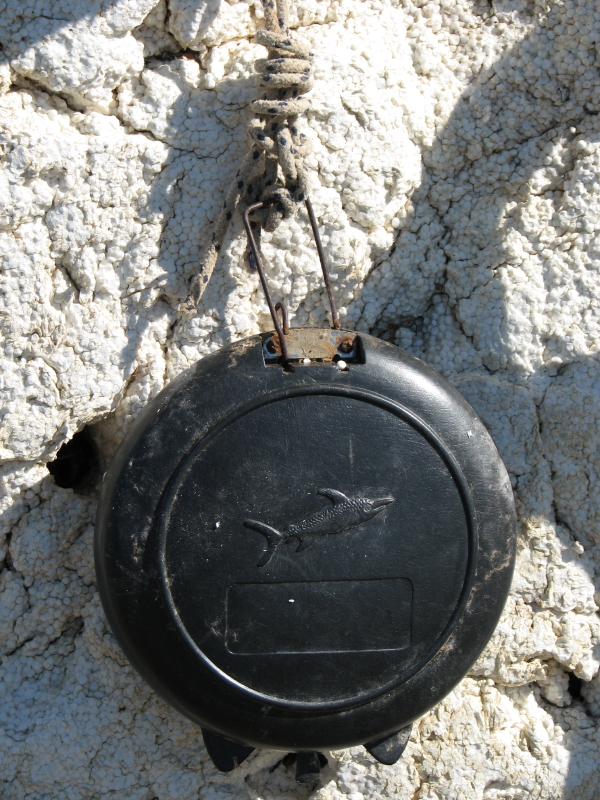
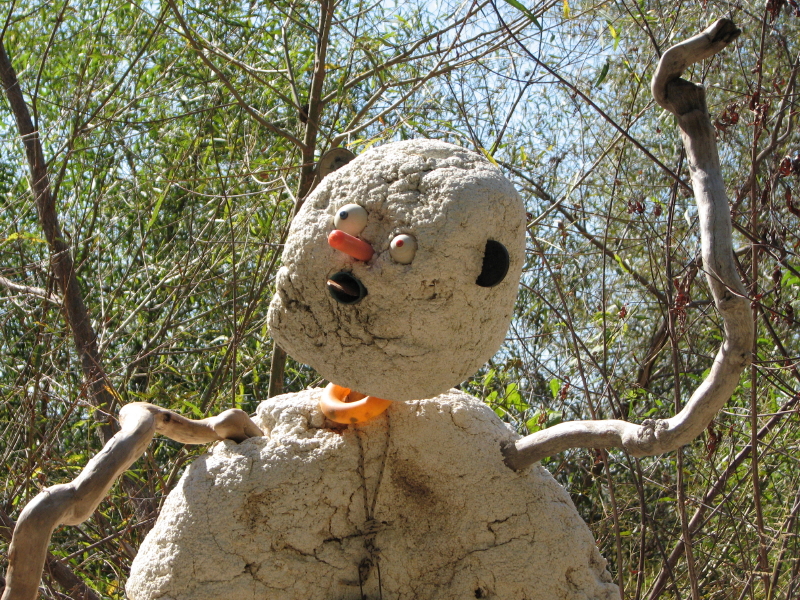
I did my best to reassure him that I was out here at the Falls to be respectful and appreciative of being out in nature and this seemed to reassure him some.  I found out during the ensuing conversation that his name comes from the fish image on his bling necklace he wears.  It was also found out here among the driftwood and so we had some common ground right away.  We are both beachcombers of a sort.  Here’s a better look at that fancy necklace that I thought was a kid’s canteen at first, but now I have no idea what this really is except it’s a toy of some sort.

Getting to know Marlin a little, I learned he was a bit of a philosopher and observer of life.  Human beings in particular have been a favorite object of study.  Marlin mentioned how impressed he was with our ability to create something out of nothing, but was mystified why we couldn’t see the bigger picture and ramifications of our actions?  We took a walk together along the river talking about this topic.

Marlin said he saw many people out here and some even brought their children along.  He said he enjoyed this notion of one generation following in the footsteps of the one that came before, but was worried that the wrong lessons were being transmitted about how to treat nature.  He walked a few feet from me and bent down to pick something up he found lying in the dried mud and sand.

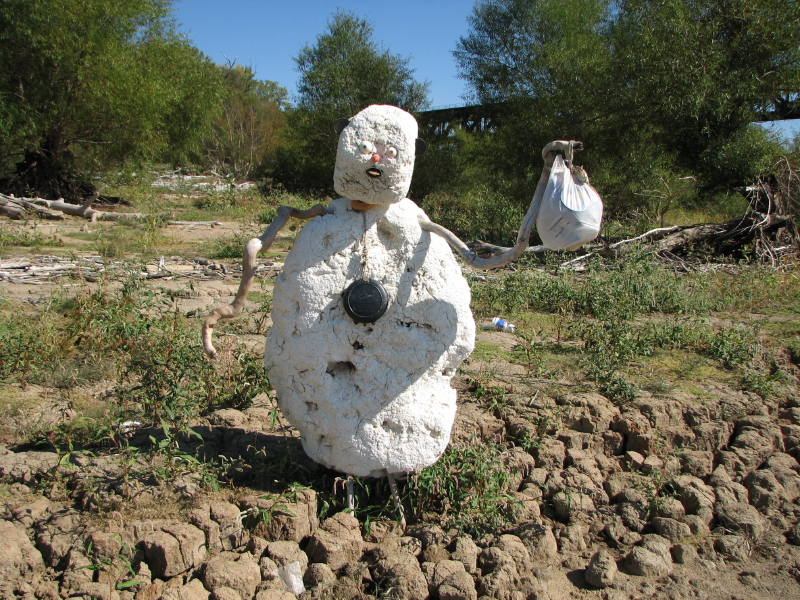
It was a plastic sack full of trash left behind probably by fishermen.  Marlin found it confusing that a person could bundle their refuse so carefully and then forget to pack it out.  It was left to rot on the riverbank.  When other people see that this kind of behavior is tolerated…it just encourages them to do the same.  Marlin wondered if it was part of humans’ natures to be so contradictory and if so…how did that help our kind rise to the top of the food chain?  He also wondered why someone else who saw this bag of trash didn’t take it with them…even if it wasn’t theirs?  I’m afraid, I wasn’t able to provide much in answers to his questions since I struggle as a human too with this issue.

Marlin moved closer to the water and said that if this bag were left unattended that it and whatever the contents were would surely find their way into the river.  I couldn’t dispute that.  Marlin also said that people like coming to the river to recreate and that ultimately their very drinking water comes from this source…why would you foul it?  Other life forms like fish, birds, and even that beaver I watched earlier all depend on this water to be as clean as possible.  Why would we be so careless as to poison it with all our various waste products?

Water is the lifeblood of the planet and we can’t even imagine life without water.  It is a precious resource!  I listened to Marlin preach a little more and then told him I had to go home.  As I said my goodbyes, I took that bag of trash Marlin found with me and deposited it in the nearest trash can I could find.  I promised Marlin that I would try to do my part by also spreading the word about keeping our shared planet as clean as possible.  This is how Marlin looked…as he parted company with me.

Read Full Post »

What he remembered was sitting in the car with his master and enjoying the ride over to the park.  His head hanging out the open window the sights and sounds went rushing by.  He wondered why they didn’t do this more often because it was fun and helped build up their sometimes frazzled relationship.  Upon arrival, the leash was attached and the two of them, dog and owner, went for a walk.  After tugging the master the whole way, they reached a point where they both stopped.  The man took the leash and the collar off and the dog bolted down the beach excitedly.

After chasing a few squirrels and finally having the freedom to follow his nose…the dog realized that his master was nowhere to be found.  The dog did his best to retrace his many footsteps, but it was no use.  The man was gone without so much as a whistle or a “See you later boy”!  Fear began to set in because the dog didn’t recognize where he was or what to do about it.  For a while, he followed a path in the woods and did come across other people, but they were unfriendly and chased him away  In fact, the whole woods was starting to seem mysterious and scary.

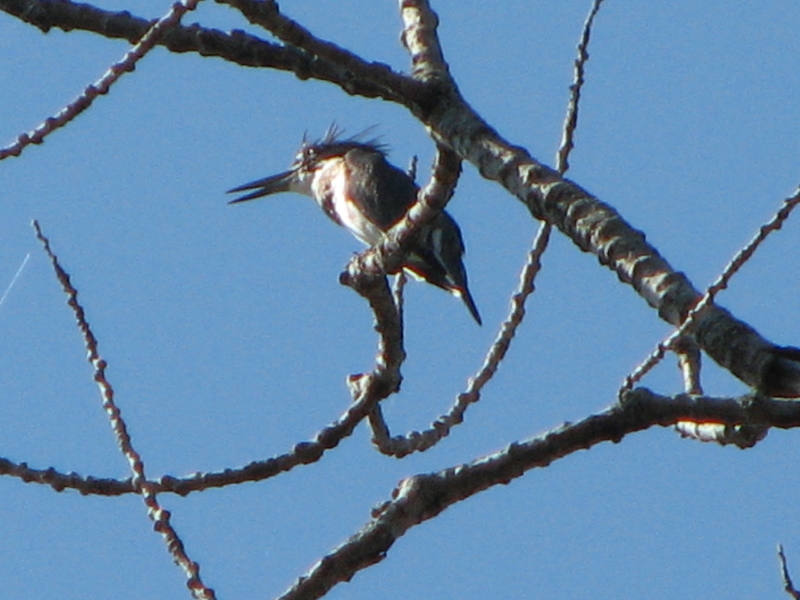
The trees were tall and the woods held shadowy places.  Even some of the birds gave him a start.  There was one odd bird with a very large and sharp-looking beak that made the loudest noises and was unwelcoming.

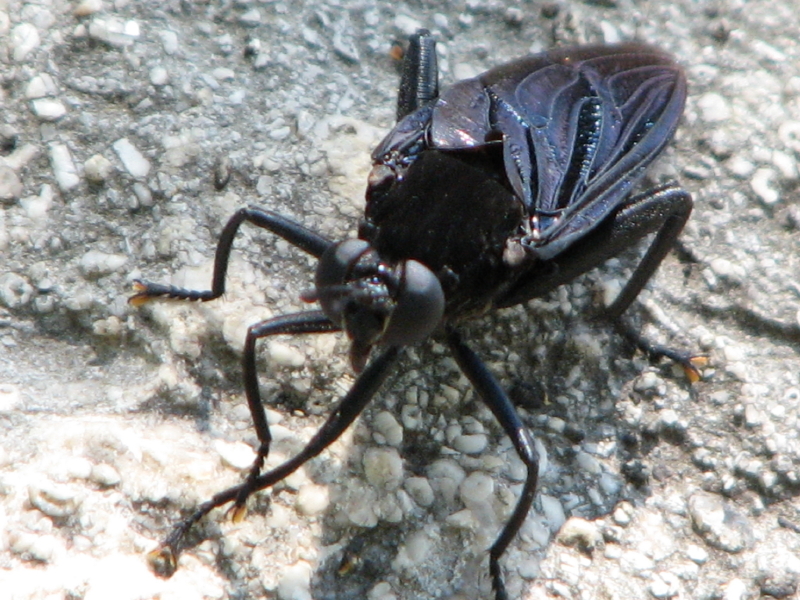
It flew back and forth in the treetops and seemed to be scolding him until he left the area.  There were other unusual and questionable critters out here too.  He was hounded by bugs he had never seen before like this one.

These evil-looking flies chased and bit him.  The dog thought about how in his former life he didn’t have to worry about much.  Yes, there was the occasional flea, but the food bowl was usually full.  In the ways of his kind, he was generally accepting of most everything.

After several days, the dog began to get really hungry.  Once he found some scraps near a picnic table and garbage can and he ate greedily.  Later the dog began to feel some odd stirrings within him and he began to visualize the chase.  What if he could run down and catch other animals…perhaps he could even eat them?  He decided to give it a try with the next animal he came across in the park and before long…he had his chance.  Among some fallen trees he came across an unfamiliar animal. 

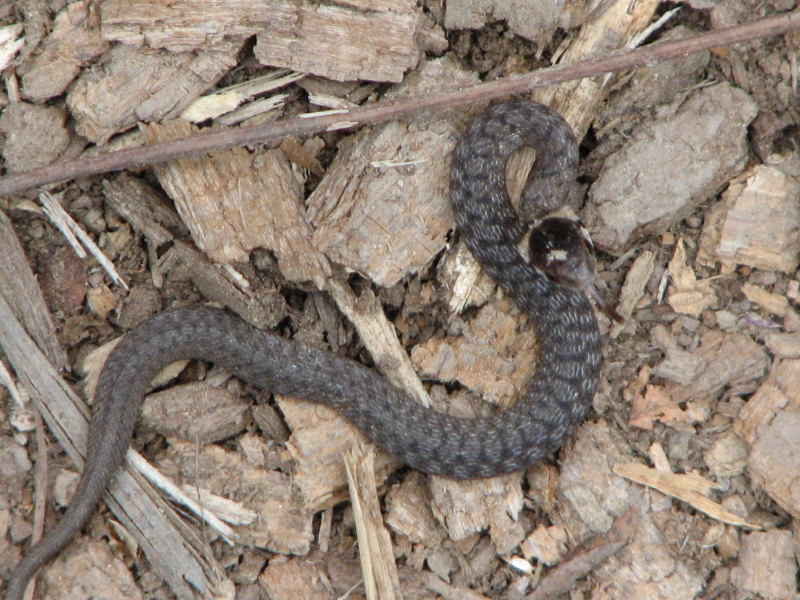
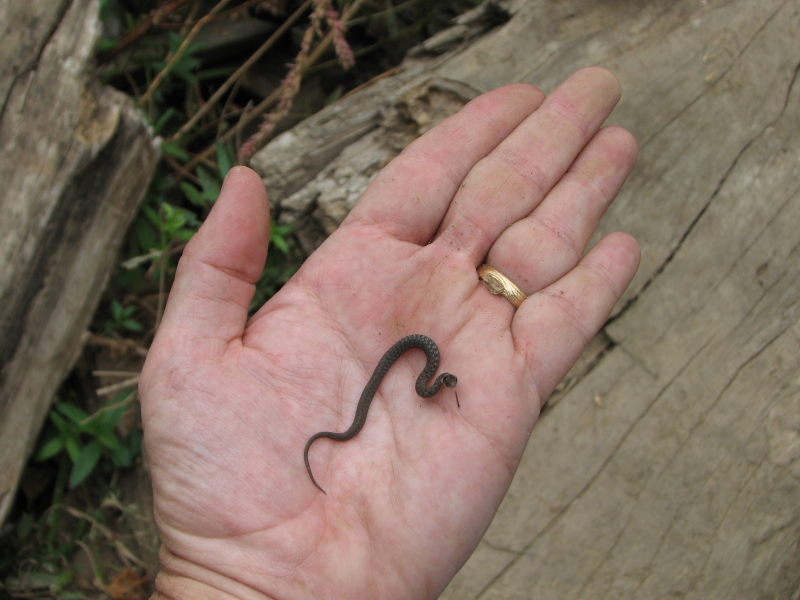
The new animal had no legs and looked like a wiggly stick.  Still, it moved quickly over the ground and every time the dog tried to grab it with his mouth, the strange animal tried to bite him back.  After a while, the dog tired of this and the stick-animal escaped into some driftwood.

The dog decided to check out the river.  Perhaps something like a dead fish had washed ashore and although this wasn’t his favorite food…his wasn’t in a position to be picky.  The air was still and it seemed sound was carrying well across the water.  Before long he could hear and then smell a human approaching in his direction and the dog quickly found a place to hide.  From behind a large stump this is what he saw.

Whistling to himself the figure we have come to know as the Adventurer was strolling down the path.  The Ohio River was on his right and the sun was shining warmly above.  The season was about to change and the cottonwood trees’ leaves were turning yellow.  The Adventurer had been marooned in the park himself now for several weeks.  The raft that bore him here was still stuck high and dry and he couldn’t continue his journey down river until it rained again.  As the days became weeks, the Adventurer started to yearn for his more familiar surroundings and the company of his friends.  This park was nice, but it wasn’t his home.  He was growing a little wistful himself when he heard something in the bushes off of the path ahead of him.

Parting some branches near a large stump the Adventurer saw one of the most bedraggled dogs he had ever seen.  Talking reassuringly, the Adventurer carefully offered the dog his hand to sniff and was rewarded with a few tentative wags of its tail.  The dog came out of his hiding place and allowed the odd figure to check him out.  Although the fur was matted and full of cockleburs, there wasn’t any sign of injury.  Reaching into his pocket, the Adventurer produced some food which the dog quickly ate.

There was something in the moment that these two very different animals recognized in each other and they bonded.  From now on, wherever the Adventurer would go,  the dog would follow him.  They became inseparable and shared in many stories together at the Falls of the Ohio.

AFTERWARD

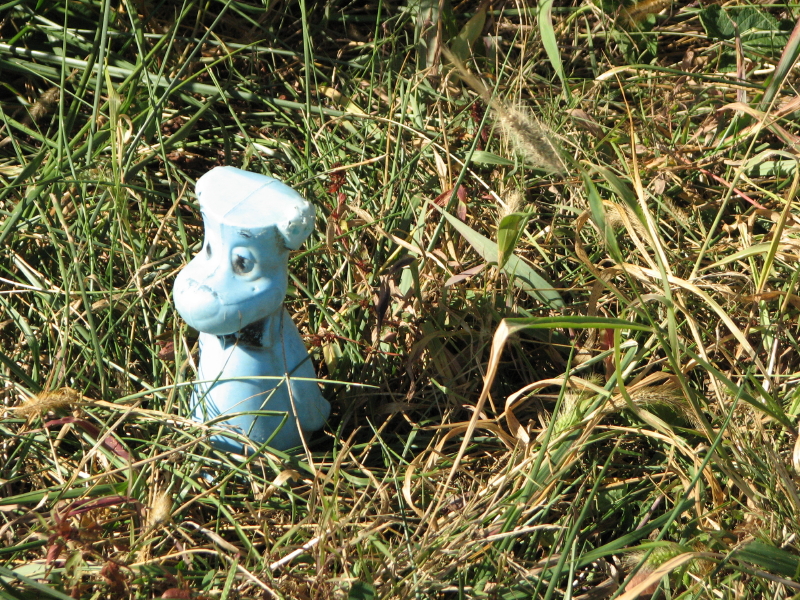
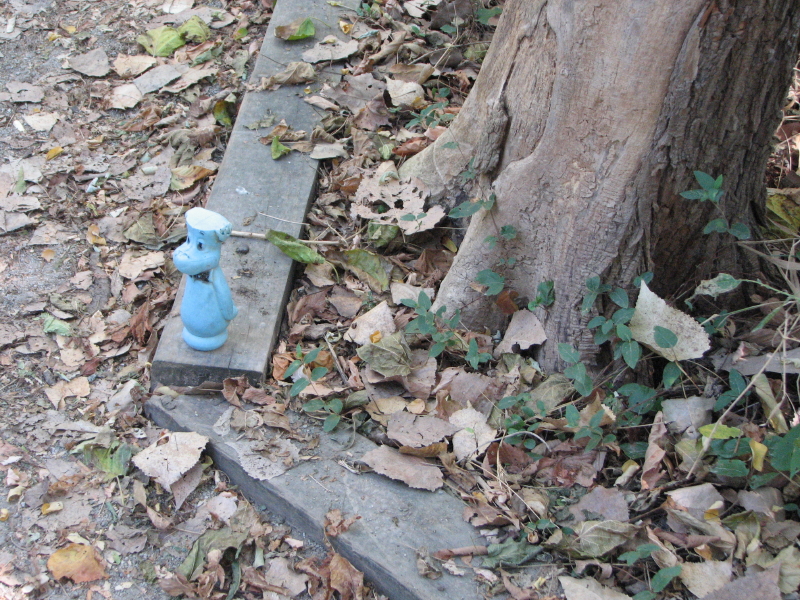
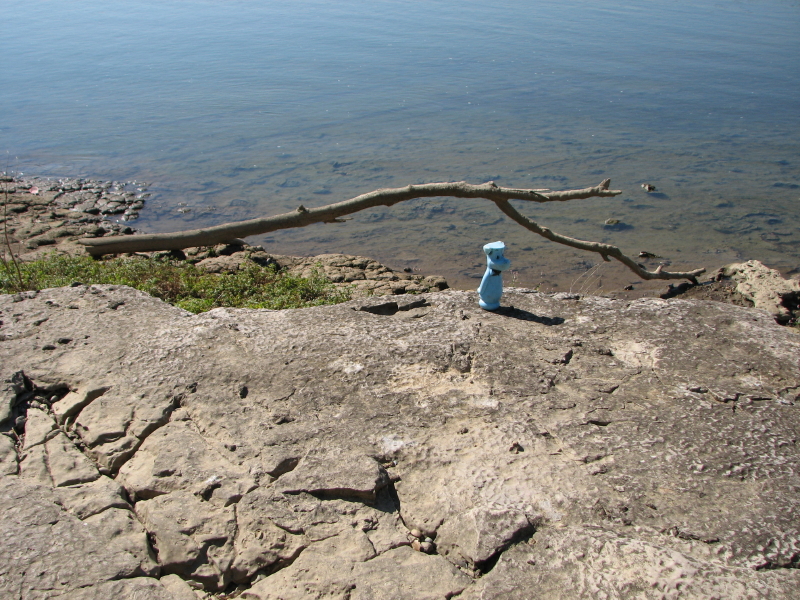
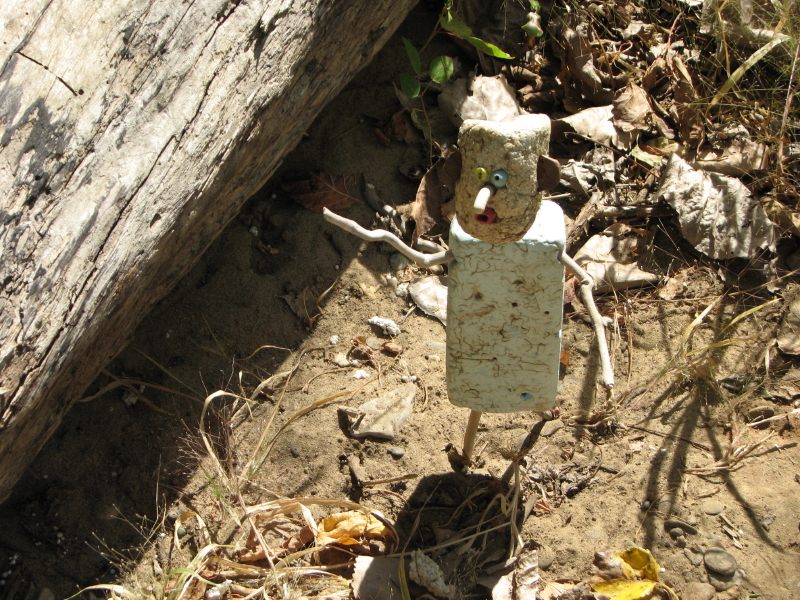
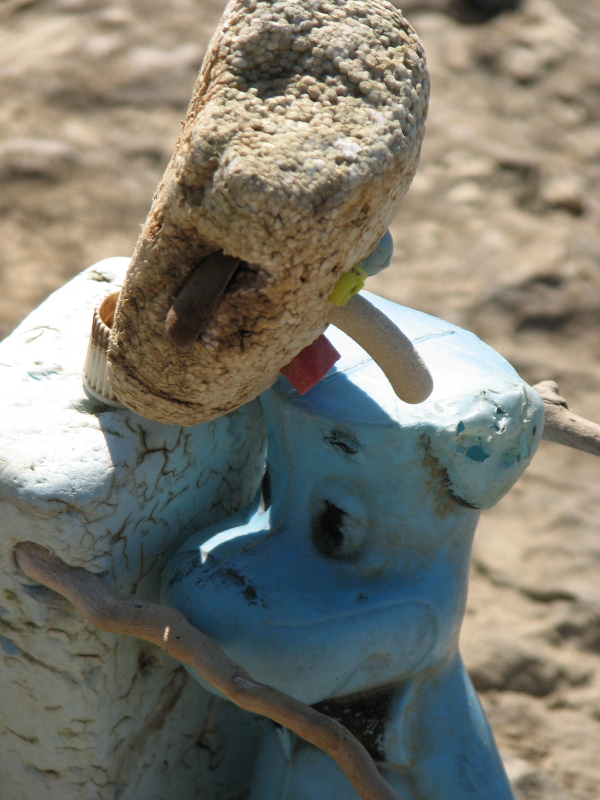
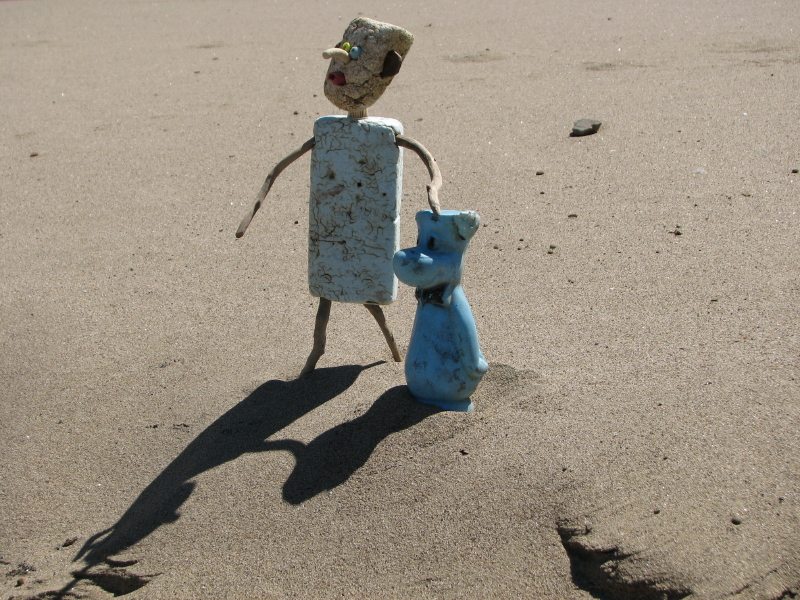
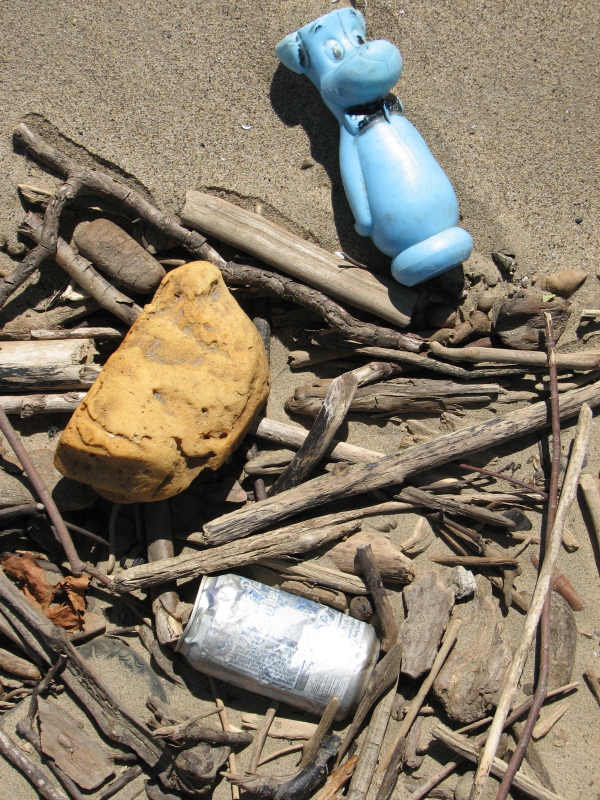
The Adventurer figure we have seen before.  He is made from found insulating foam, Styrofoam, plastic and wood collected at the Falls of the Ohio and assembled there.  The plastic dog toy I came across on one of my walks and this is how he first appeared to me.

Imagine my surprise to see an old childhood friend mixed among the other river debris!  I recognized the character as being “Huckleberry Hound”.  A little research revealed that this dog who spoke in the cartoons with a southern drawl was originally named after Mark Twain’s “Huckleberry Finn” which seemed appropriate in my context.  The cartoon first appeared in the late 1950’s and I caught up with it during the next decade.  Huck’s other friends include Yogi Bear and BooBoo, Magilla Gorilla, and others who were cartoon staples of after school television shows.  It’s been awhile since I heard of any references to this character.  Examining the plastic toy, I could find no date or country of origin, but much of the original paint is gone.  I’m sure this is some retro toy since it seems in too good of shape to be older.  My two sons have never heard of Huckleberry Hound and think I made it up!  Okay, to end this post…I’m going to show you another picture of that fearsome snake which I was able to catch with my bare hands!!!  Enjoy.

Read Full Post »

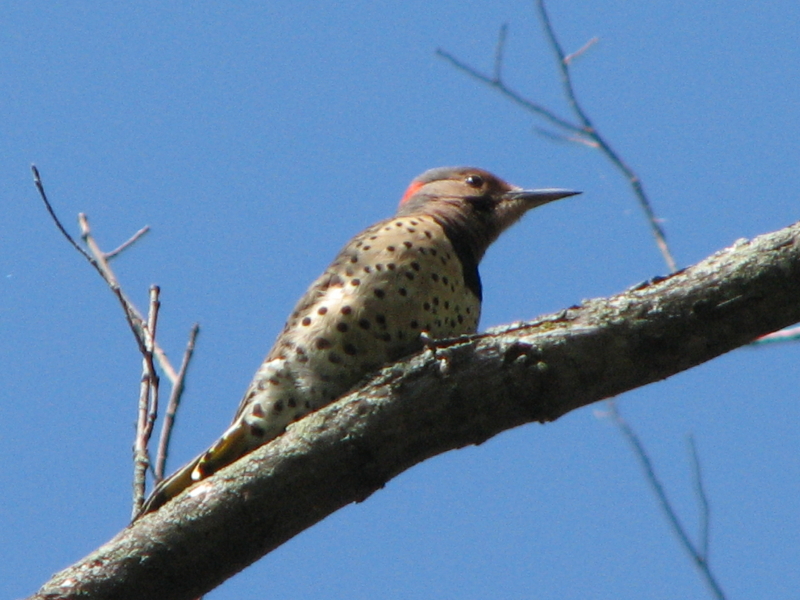
After finding all my sculptures smashed, I decided to give that section of the park a rest.  I will eventually return there and make new pieces from the remains.  Today’s walk is along the western section of the park.  It is an area I have come to appreciate more.  In part, because fewer people venture this way and there are different points of interest.  It’s fall migration time and I’m always on the look out for birds.  The birds that are just passing through are of particular interest, but I also like the species that can be found here year around.  I came across this really noisy Northern Flicker on a branch and snapped its picture.

This is a fairly large woodpecker.  In the old guides, this would have been identified as the “Yellow-shafted” form.  The feathers under the wings and tail are a bright yellow which can be seen as the bird flies.  The black “mustache” extending away from its bill identifies this as being a male.

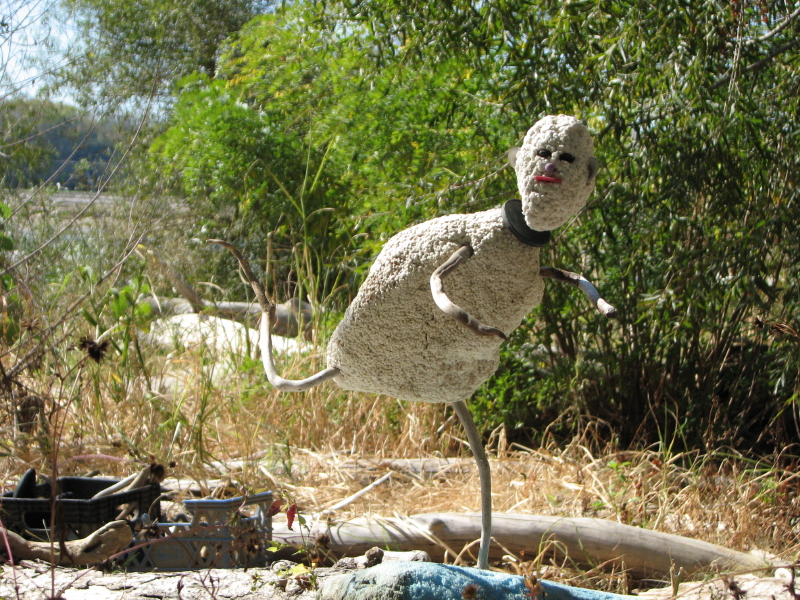
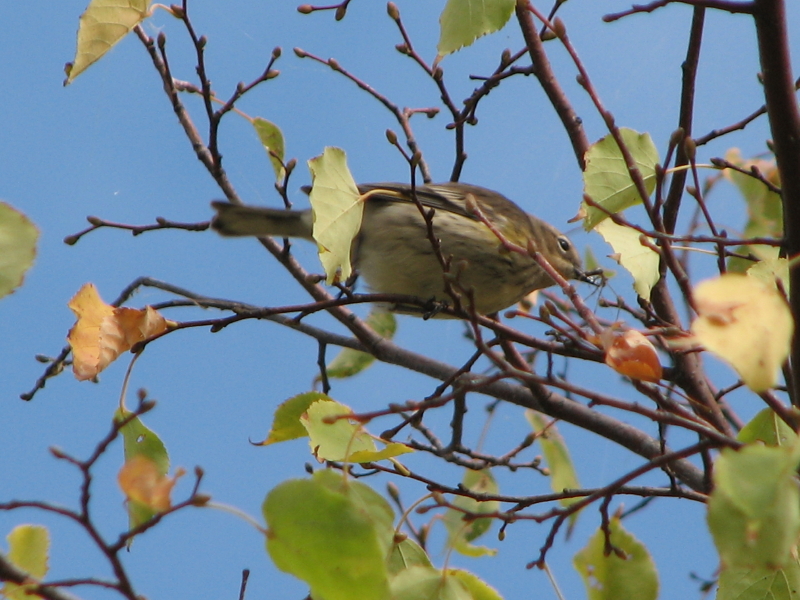
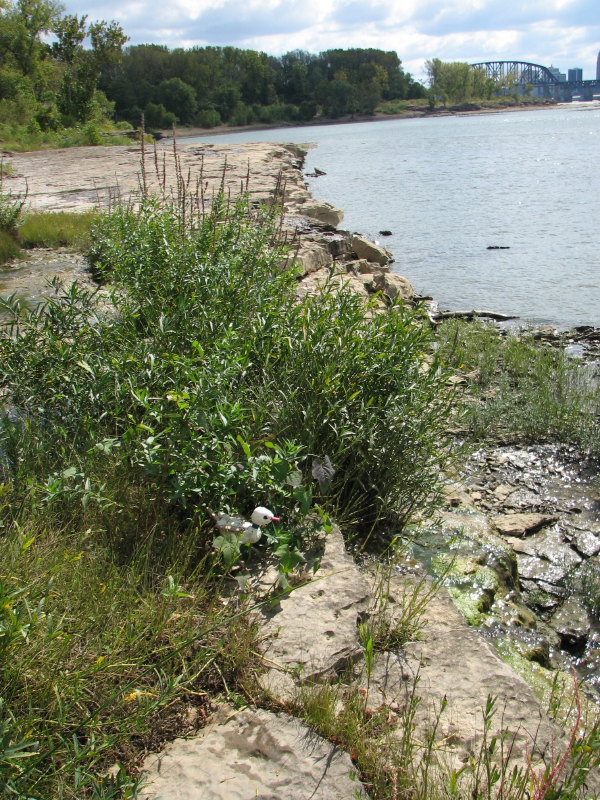
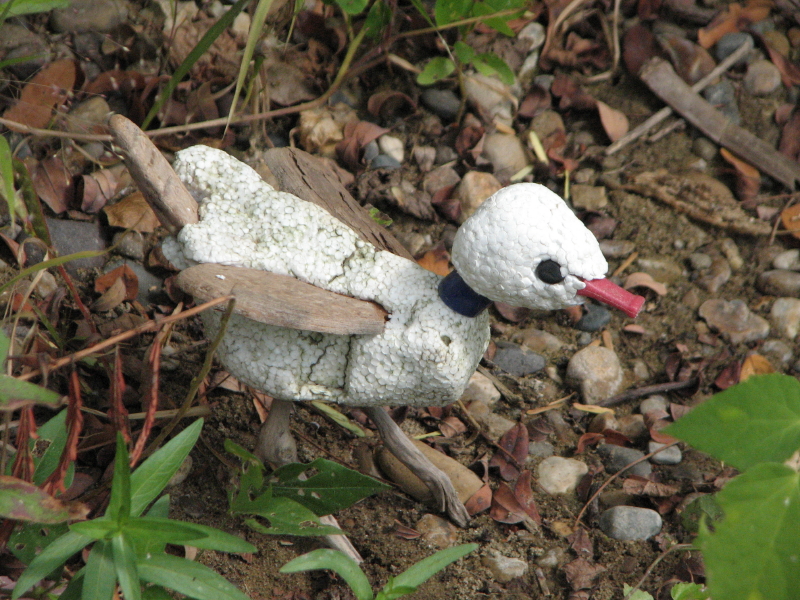
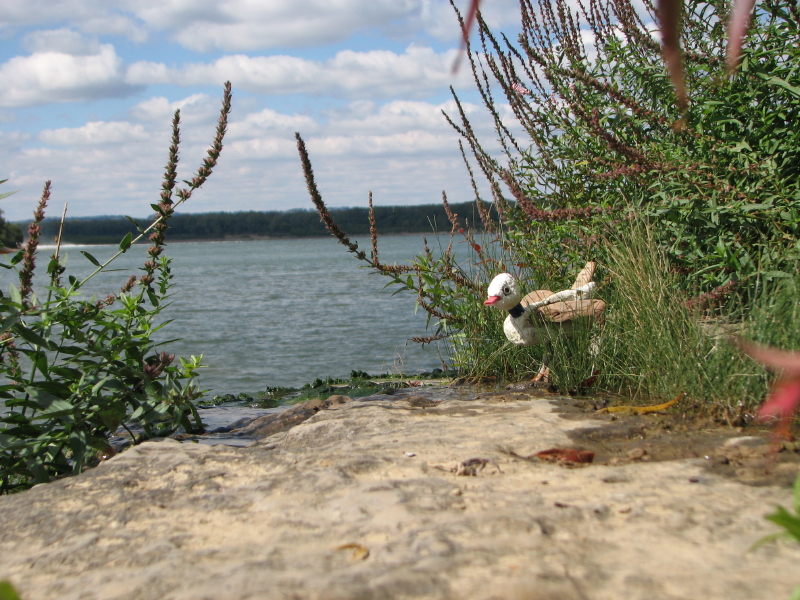
Chasing small insects among the fall leaves is this Yellow-rumped Warbler.  This is the park’s most common warbler and one that hangs around longer than any other of the park’s 35 sighted warbler species.  I have seen most of them, but they are easier to identify in the spring when their plumage is more colorful.  Fall warblers can be a challenge and I’m still learning all their nuances.  I have seen more different warbler species this year because I have tried a little harder to look for them.  Still, when you are out on the land, you just never know what you will cross paths with and that is the subject of this post.  I saw my first Water Chick on this expedition and managed a few decent images that I can share with you.  First, can you spot the Water Chick in this photo?

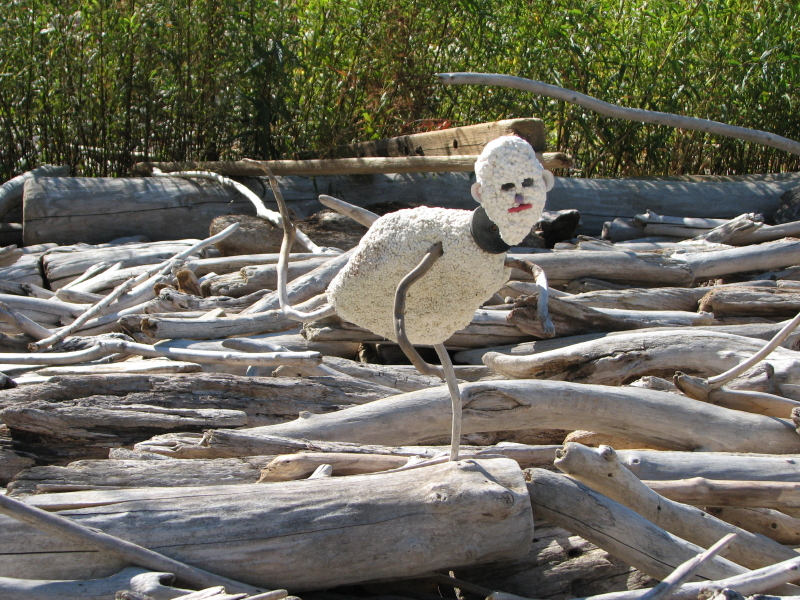
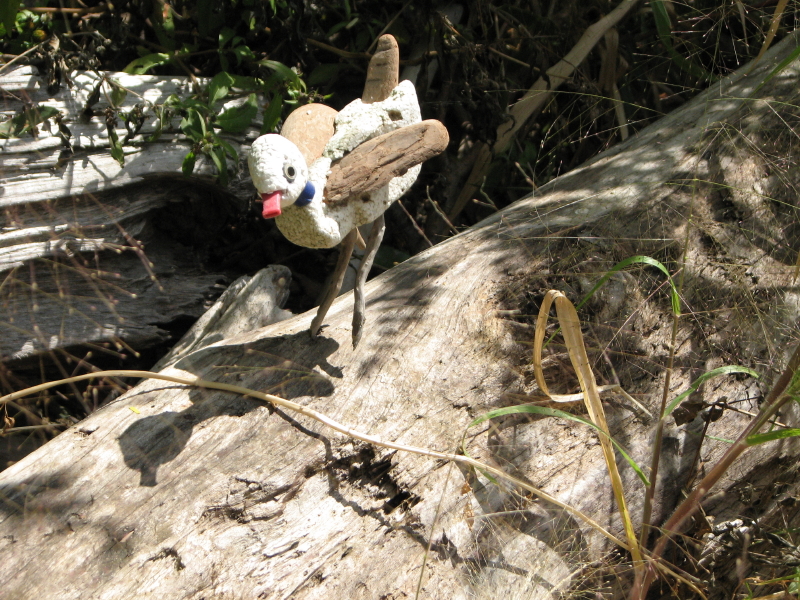
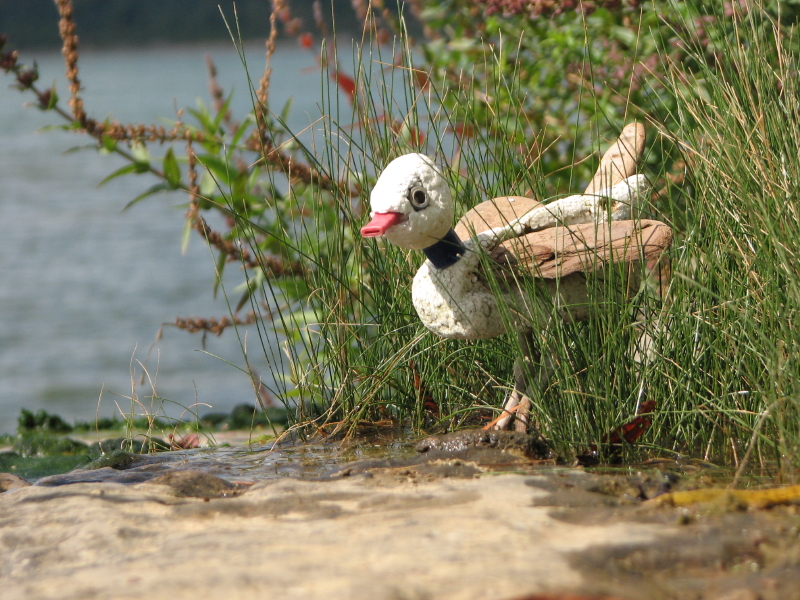
I bet you found this interesting bird?  It’s snow-white in color and has a bright red bill.  It’s only occasionally found in this park and the habitat it prefers matches exactly the kind of landscape you see here.  The Water Chick is usually found near water and also needs dense vegetation to hide and raise its young.  Over the course of a couple of hours I ran into this bird several times and here are a few “portraits” I was able to manage.

The Water Chick is usually found on the ground, but reportedly, is a decent swimmer as well.  Although it can fly it is reluctant to do so.  It much prefers hiding and taking advantage of the local cover where it seeks out small insects and spiders that make up its diet.  I surprised this one investigating a decaying log.  Here’s another image of this bird.

As you might be able to discern…the Water Chick is a small bird and relies on its diminuitive size and secretive habits to go unnoticed.  I believe I heard (not entirely sure though) a low piping sound when this bird noticed me and became alarmed.  It high-tailed it into the loosestrife clumps as quick as can be.  This is precisely the type of ground bird that I worry about being preyed upon by feral cats and in fact, ornithologists report that this species is on the decline for multiple reasons.  While I was birdwatching, I did come across another bird predator.  However, this one is so large that I doubt that it would bother taking a Water Chick.

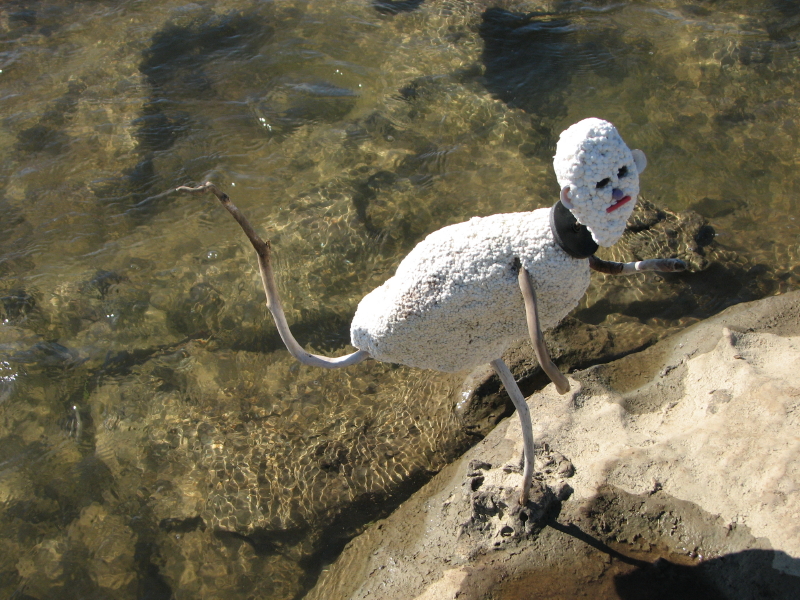
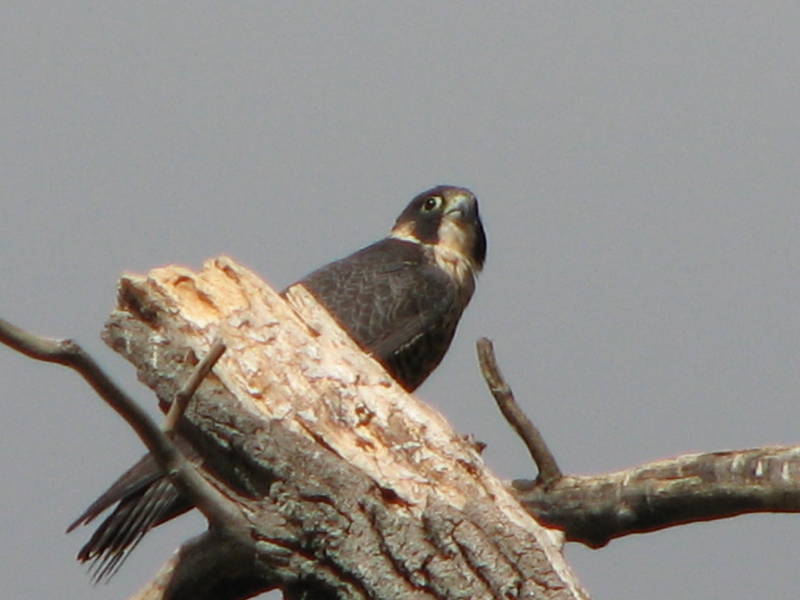
I see Peregrine Falcons on occasion out at the Falls, but this is the first one I could get a picture of…unfortunately part of the tree obscures the bird, but it’s still distinctive enough to identify this large bird of prey.  I have actually seen these falcons more in the city where they nest on the taller buildings in Louisville.  Like other parts of the country, we nearly lost this magnificent bird to DDT poisoning.  Since banning this pesticide they have made a comeback, but we could use more to help keep the pigeon population in check.  I located the Water Chick one more time before heading home.  It was along the fossil beds that rise above the river level which is still down from an acute lack of rain.

I was on my belly laying on the limestone rocks when these photos were taken.  I think it helps give an idea of what it must be like from this bird’s perspective?  After taking these images, I decided that I disturbed this bird enough and backed off.  I hope it forgives my intrusion, but I had never seen one of its kind before…and maybe never will again?  This bird is bound for our Gulf Coast where it spends the winter in the swamps.  Turning for home, I also came across small stands of this rather large flower and thought this a nice way to end this post.

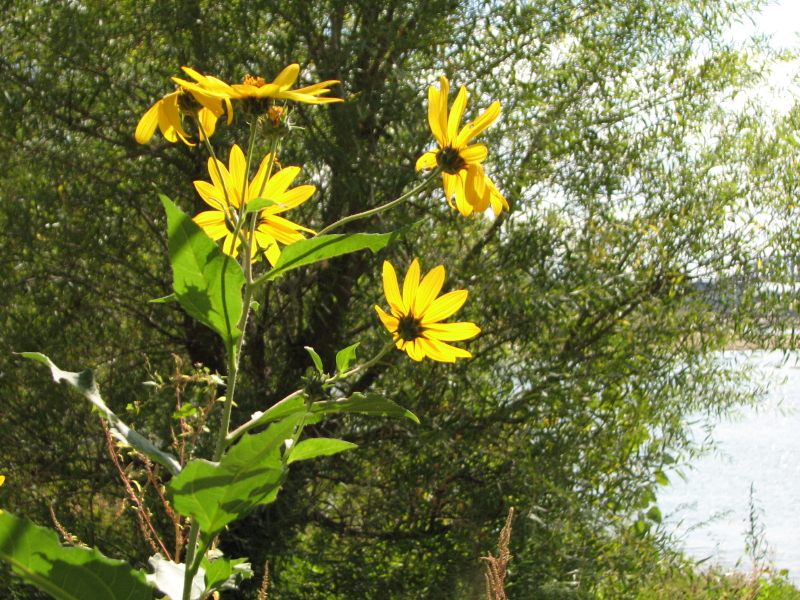
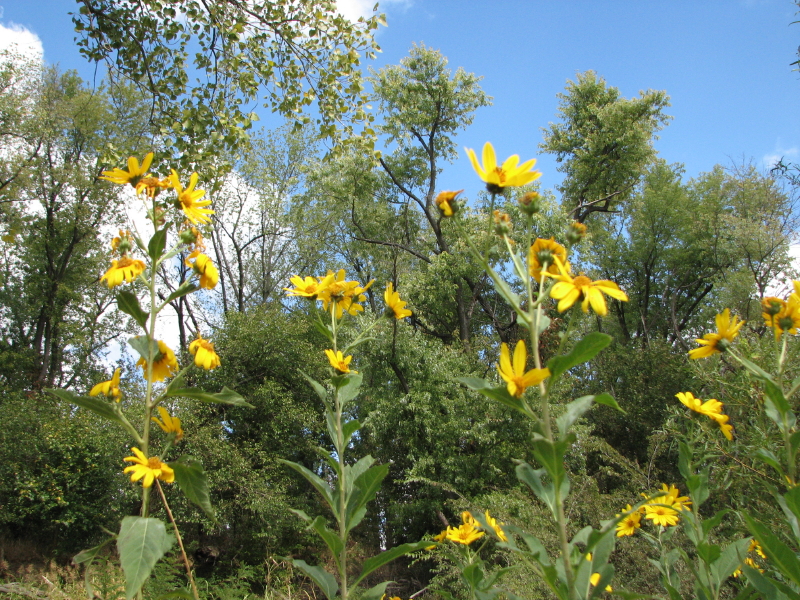
I’m not sure on the identification of this plant? Many in this stand were over six feet tall.  I need to bring a guide with me into the field to help with this.  In the moment, I’m happy for the color this large flower brings which contributes to the beauty of the season.  Thanks for tagging along on another of my walks at the Falls of the Ohio.  See you later!

Read Full Post »

At the eastern end of the Falls of the Ohio State Park is where I see the most bird species.  It is also the area that seems to trap the most driftwood after we have had a bout of high water.  Material of all kinds collects between the high walls of the dam and the steep riverbank itself.  There is another sizeable collection of driftwood on the other side of the dam’s wall that is just waiting for the river to rise before depositing another layer of wood and debris in the park.  The bowl-like depression created in this space cuts across a few distinct habitats and is also protected from the wind which is why I think the birds like this spot.

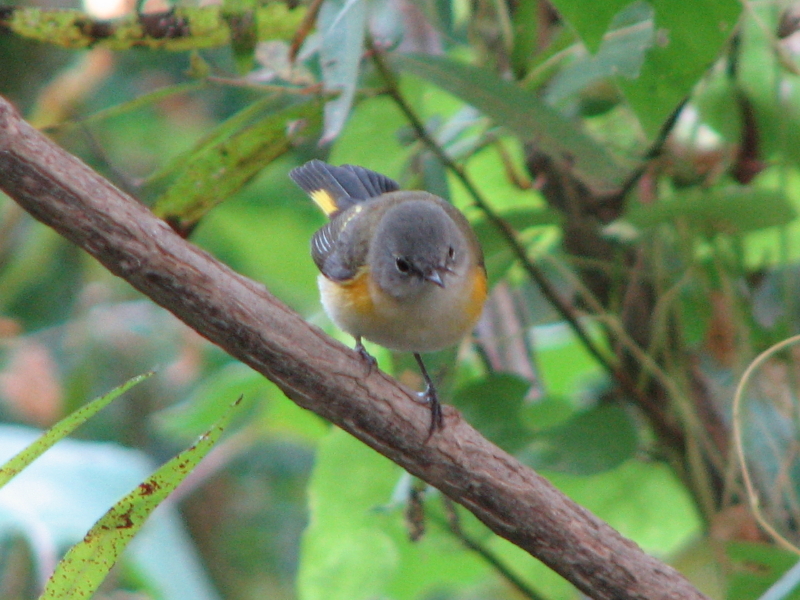
On this day I was doing my birdwatching thing and trying to photograph some of the warbler species that migrate through here in the fall.  It’s a real challenge for many reasons.  First, there is still enough foliage around that it is hard to get an unobstructed view of a bird.  Second, the migrating warblers are now much duller in color having lost their breeding plumage, can be hard to identify.  In some cases, the differences can be dramatic between how a species appears in the spring and how they look on their autumnal migration south.  Added challenges also include that these birds are very small and extremely active.  They don’t sit still for long.  On those occasions when I get a picture that I like…I feel more like a fortunate opportunist than as a photographer with any skills.  I know I’m rambling, but I need to set the scene first before getting to the point of this post!  It took a bit of luck and patience just to obtain the above photo of this first year American Redstart and it looked like this bird was going to hang out a bit and I was well concealed and anticipating more images when something very interesting happened.  There was movement in the brush below the bird which flew off and I was left with this quickly snapped photograph!

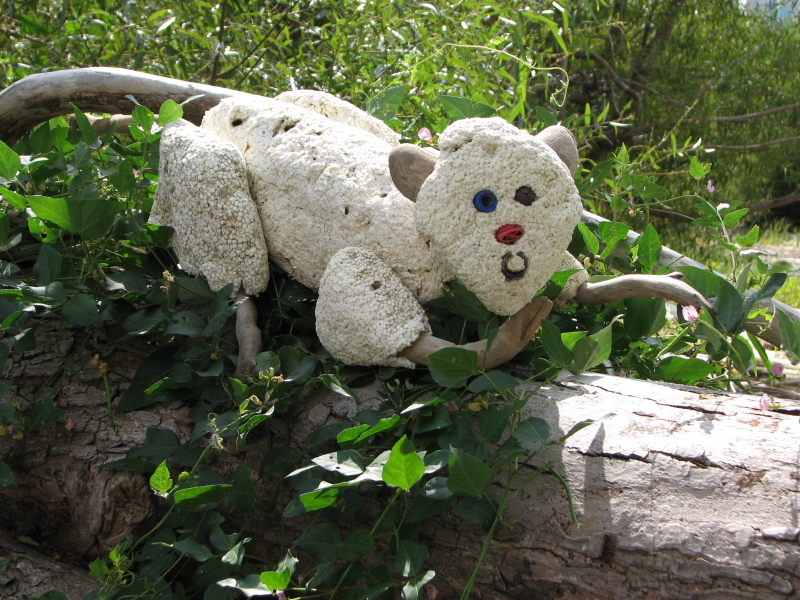
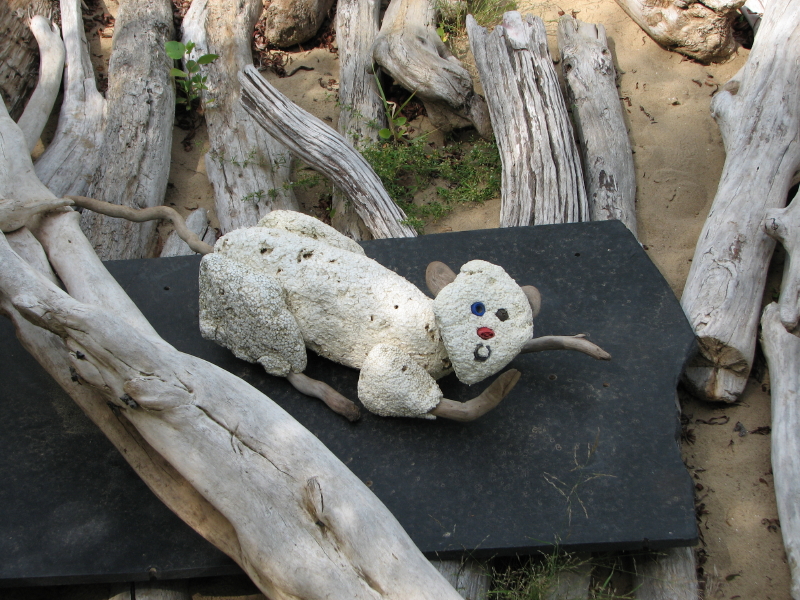
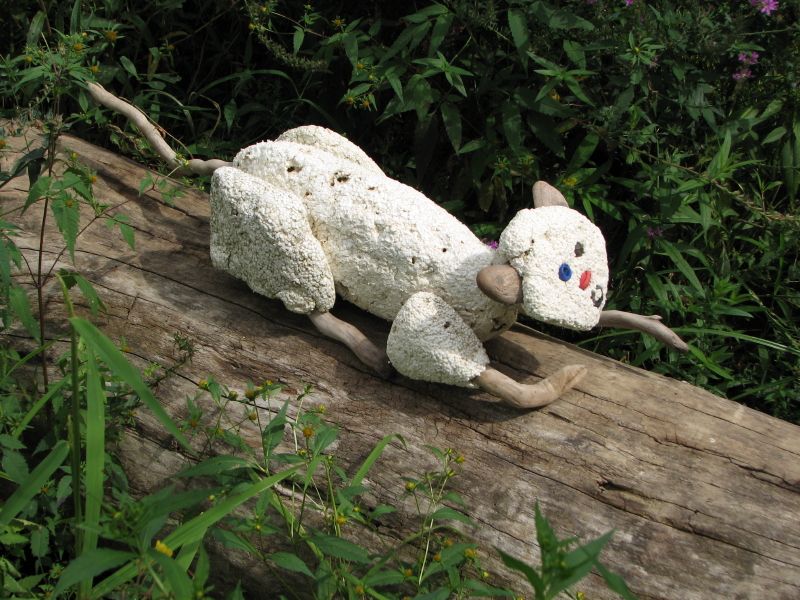
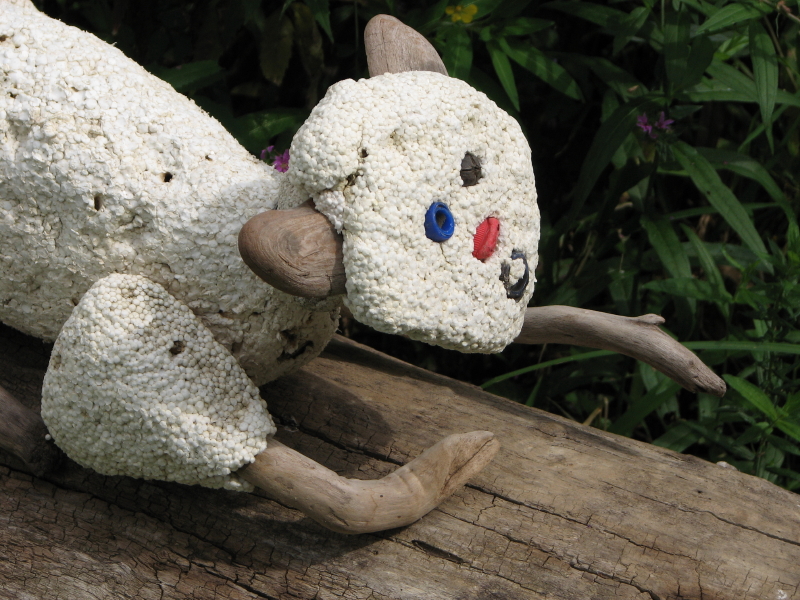
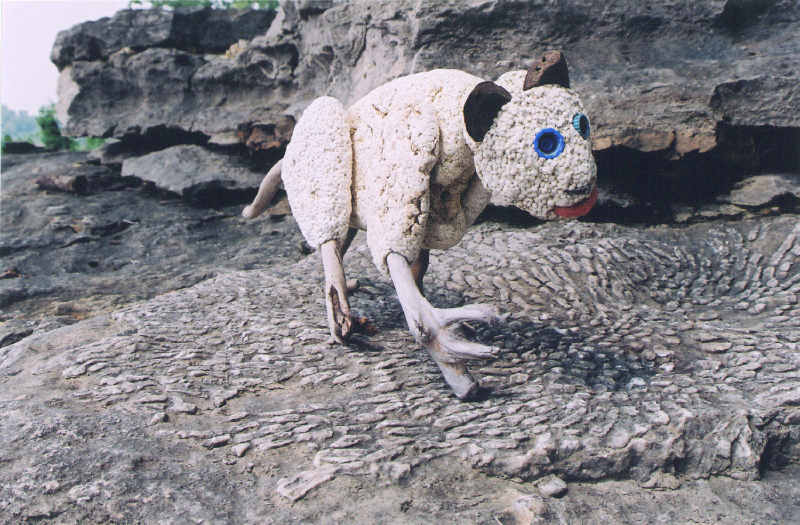
I just witnessed a failed hunting attempt by the Flat-faced Cat.  It’s an unusual mutation that has occurred among the resident feral cats which seem to be gaining in population in this park.  To me, this is a big point of concern because in addition to the garbage left behind from picnics…they are also preying upon and eating the small wildlife found in the park.

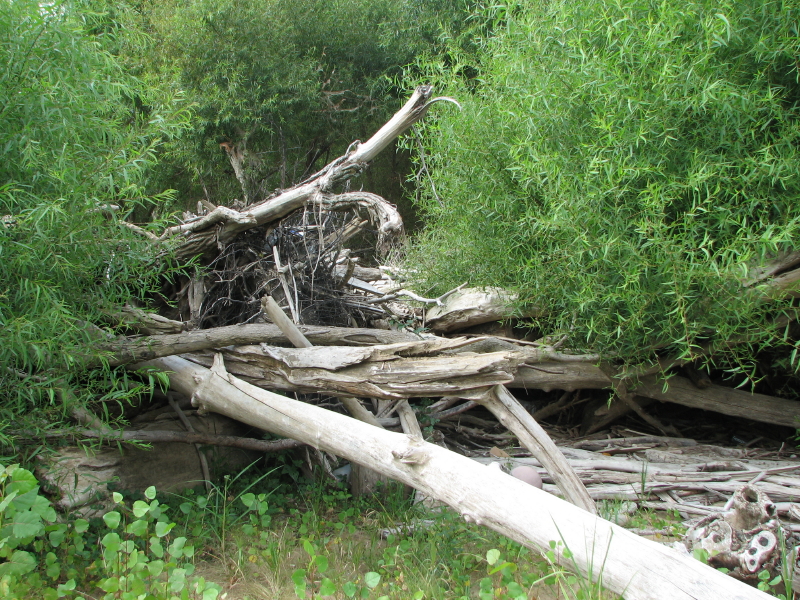
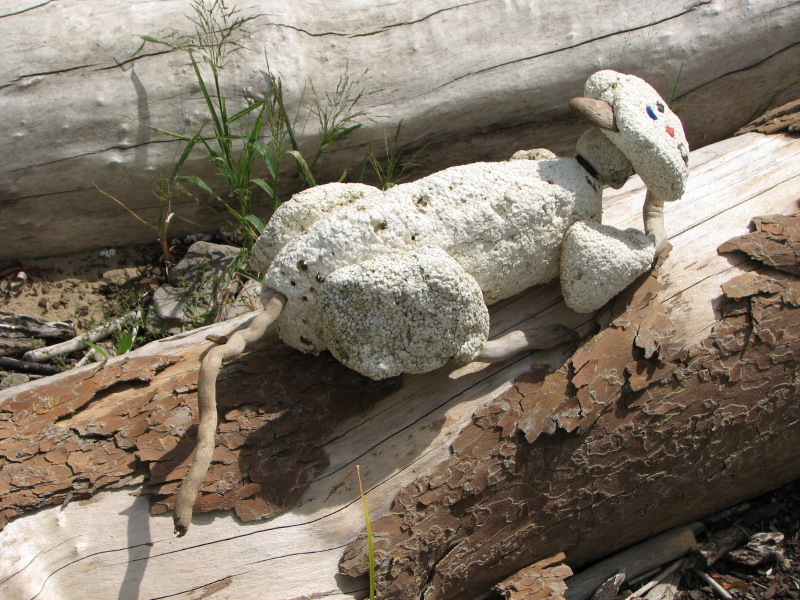
So, where are these cats living?  I have literally found them throughout the park where they can find shelter.  I tracked the Flat-faced Cat back to a den under the driftwood.  The interlocking logs have created a structure that has many natural tunnels and rooms.  It can also be dangerous because the wood is always shifting under its own weight as it breaks down from environmental exposure.  I’m sure that it can’t be an easy life for these cats.

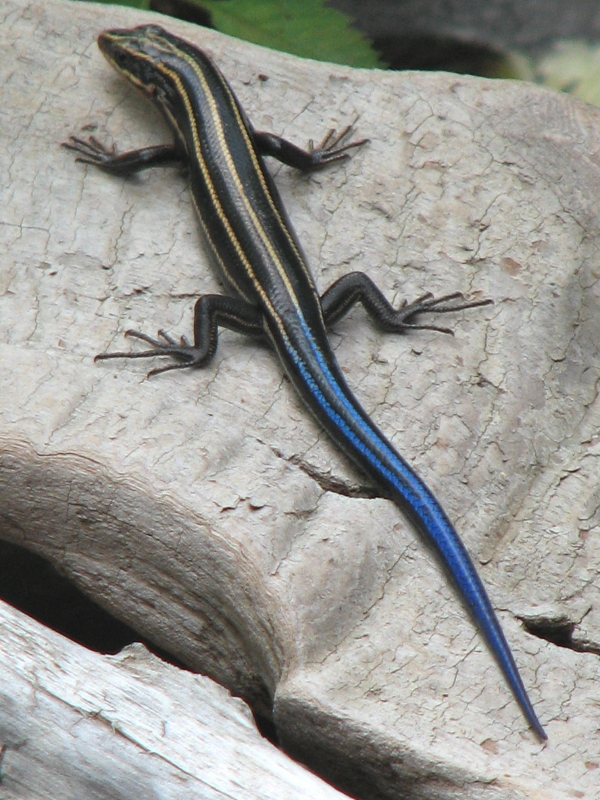
Since our first encounter, I have taken an interest in this particular animal.  It always runs away once it spots me and is now completely wild.  I see it the most when I’m in the Willow Habitat and I think we are after the same thing!  We are both hungry for wildlife, but in very different ways.  I recently observed and photographed this cat hunting lizards basking on the sun-drenched logs.  First an image of its intended prey.

The blue tail marks this as the young of the Five-line Skink.  This is a fairly common lizard in this park and the one most people are likely to encounter.  While I was hiding behind a sizeable willow tree, I saw the Flat-faced Cat attempt another unsuccessful hunt and took these images.

Now, don’t let its cute face fool you.  Out in the woods, this animal is all business when it comes to hunting.  I’ve looked at a few articles on the web about the cat predation problem and interestingly there is some controversy.  There are studies from Great Britain and California that suggest that feral and domestic cats take millions of songbirds and small animals a year.  Societies devoted to cats, however, dispute the evidence and say that there aren’t good studies to back this assertion up.  When all else fails…turn to anecdotal evidence!  How many of you out there who own cats that are allowed to roam outdoors have been “gifted” with dead birds and other little animals on your door steps?  I have a hunch that many cat owners have had this experience.  Now multiply these “gifts” with the millions of cats that are out in the world and the studies probably aren’t too far off.  The studies also suggest that the hunting instinct is so well engrained…that even very well fed cats can’t resist that little chipmunk running around the backyard.

Of course, feral cats are not the only cause for the decline in the numbers of songbirds.  There are pressures of all kinds and habitat loss and environmental degradation play their huge parts.  Still, the domestic cat is not something that occurs “naturally” in our wild environments.  Responsible pet owners should never set unwanted pets loose where they don’t belong.  Responsible owners also have their pets spayed or neutered to further limit the population of unwanted pets.  It’s kinder to all living things to do this. Looking through my archives, I remembered that I had seen another feral cat that looked a lot like the cat which is the subject of this post and here is its image.

I photographed this big tom cat on the fossil beds near the Interpretive Center.  It had only one eye and sported this murderous looking paw!  Who knows it may be a direct ancestor of the Flat-faced Cat?

Read Full Post »

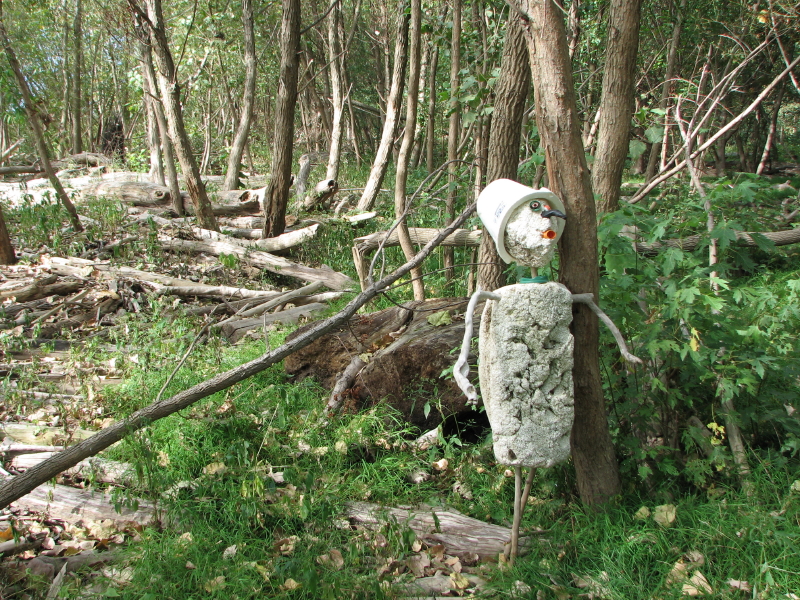
I was walking through the woods on a sun-dappled day looking for migratory birds when I came across a new friend.  We talked for a little while before introducing ourselves.  Both of us remarked on the dry weather we have been having and I said that it’s official now.  September was the driest ever in the commonwealth of Kentucky since records have been kept dating back to 1871.  We have had a spits-worth of rain… that’s it.  Overall, this has been our third driest month ever, beaten only by two Octobers over the course of the past century.  We both wondered if this was an omen for this October?  We certainly hope not.  Having created some common ground, I introduced myself and she said to call her Minnie, Minnie Buckethead.

As it turned out, Minnie is an interesting old lady with a fascination for everything in the woods.  I asked if she had seen any migrating warblers and she had.  American Redstarts, Black and White Warblers, were moving with small groups of other birds including Carolina Chickadees and Tufted Titmice.  I had seen nothing.  I definitely need to get up earlier in the day to catch the bird show.  Perhaps Minnie was taking pity on me and she said that there were a few other things happening in the woods and would I like to see them?  How could I turn down such a nice offer from an old lady?
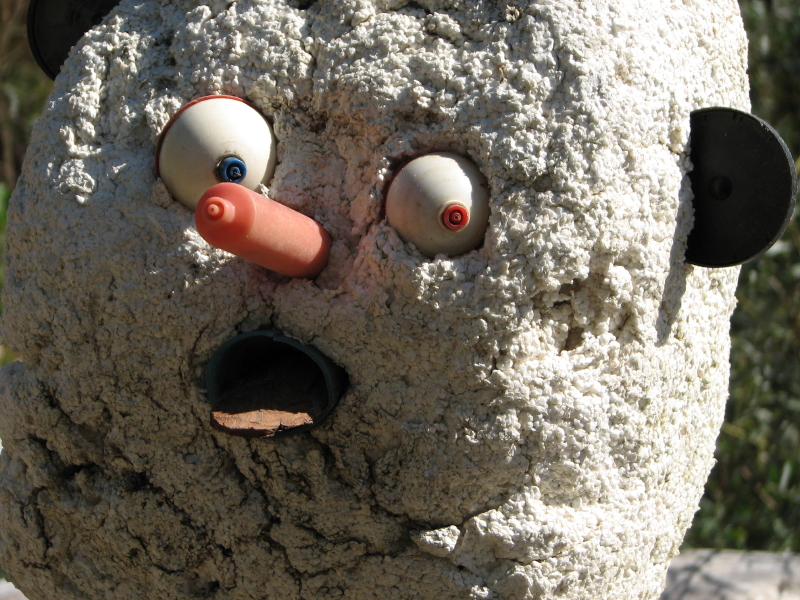
We walked over to a large willow tree and I saw Minnie crane her neck and squint her eyes from the sun and she scanned the willow bark.  “Here” she said and I checked out what she was pointing at.

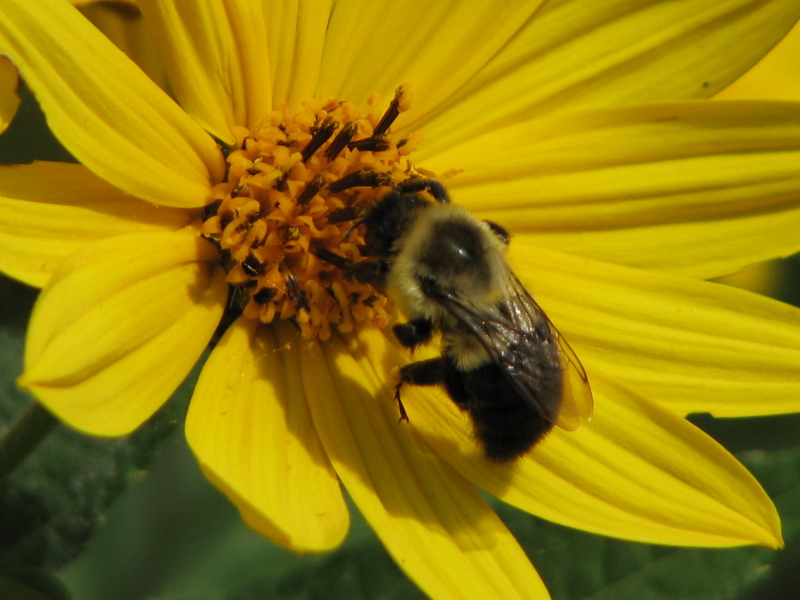
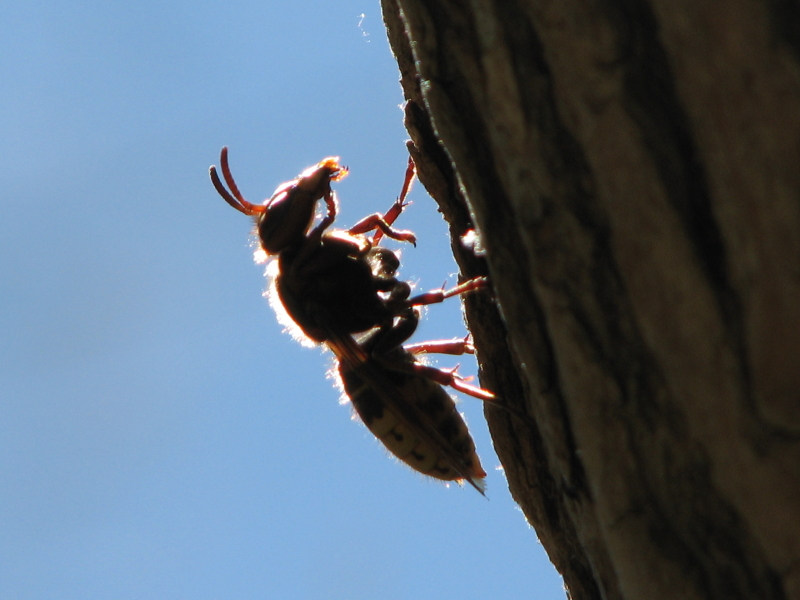
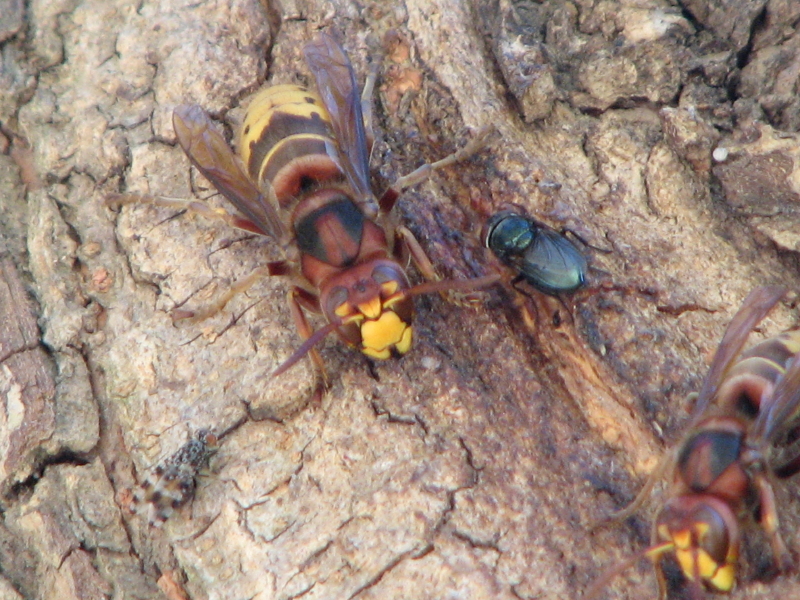
At first I thought it was a bee, but it was larger and more robust and not as big as a bumble bee.  There were others.  Walking around to the shady side I could determine that they are hornets of some kind.  The hornets and other insects were licking whatever was exuding from the willow tree.

“Don’t worry, they won’t get you”, she said.  The hornets were so preoccupied with the sap that they were quite tame.  Walking around the tree gave us this sight.  Three different species of butterflies also taking advantage of the willow bark.  The one in the foreground is the Red Admiral.  Although I hadn’t seen the hornets doing this before, I did say to Minnie that I had observed many butterflies on these willows and wasn’t it nice that so many living creatures could set aside their differences to take advantage of this common resource.  She just smiled.

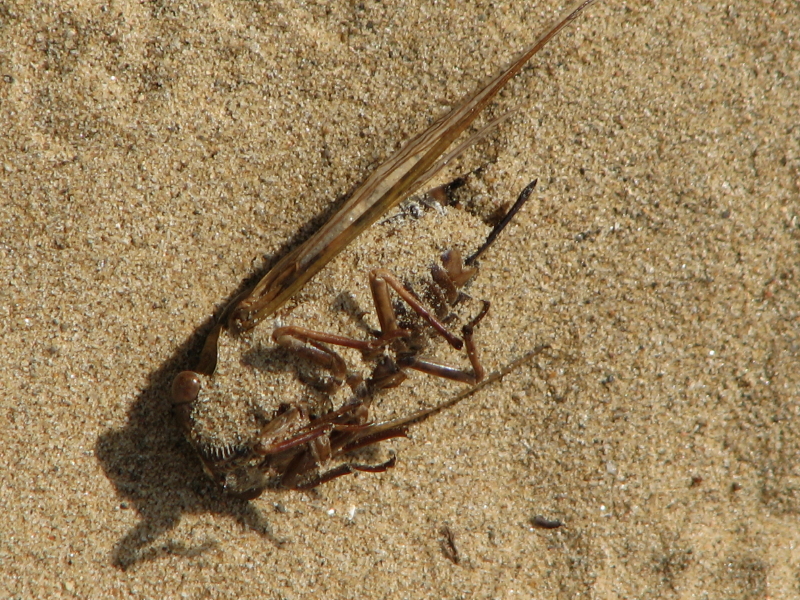
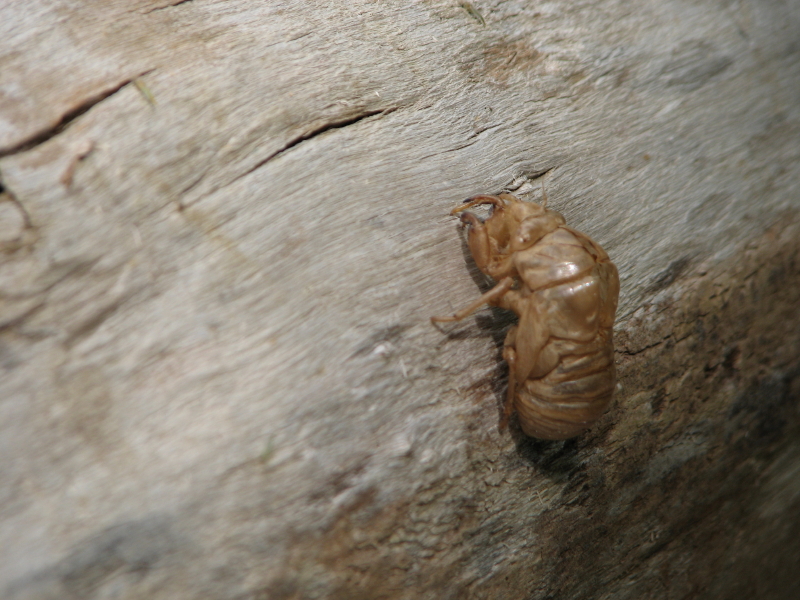
I was appreciative of Minnie showing me the tree and so I tried to impart a little knowledge to her about the local cicadas.  I had come across a dead female in the sand,(identified by the hypodermic needle of an ovipositor she uses to lay her eggs under the thin bark of a tree).  I asked Minnie if she knew anything else about their life cycle and she said she didn’t and so I went on.  I told her that after the egg hatches under the bark, the nymphs drop down and burrow under the ground and attach themselves to the tree’s roots.  With this species, after a couple of years of sucking tree juices, they emerge from the ground and become adults which for cicadas, is a brief moment in time.  They mate, lay eggs, and then die after a glorious two weeks or so.  You find their split skins where they transform as juveniles into adults near where they emerged from the ground.  Here’s a pictures of the dead cicada, the split cicada skin, and a fresh adult.

With any life cycle it’s hard to know exactly where to begin and I suppose that’s the classic which came first question… the egg or the cicada? I’ll leave that to brighter minds than my own for now. 
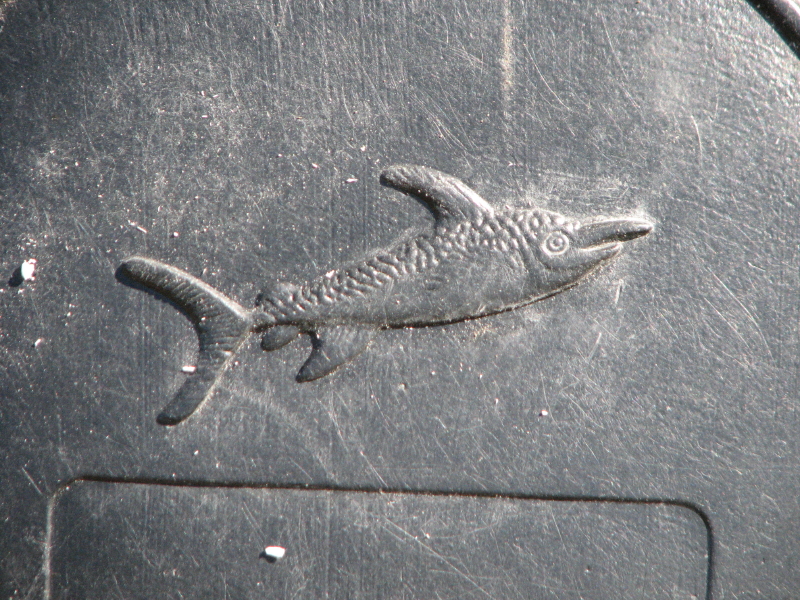
Minnie listened attentively and then asked me to follow her.  She had something else to show me before we parted company.  We walked away from the willow tree to an area where several large logs were decomposing.  She pointed a thin finger at a yellow patch on one log’s side and I could see it was some type of fungus.  It seemed to be spreading outward as it broke down the tissues inside the tree. 

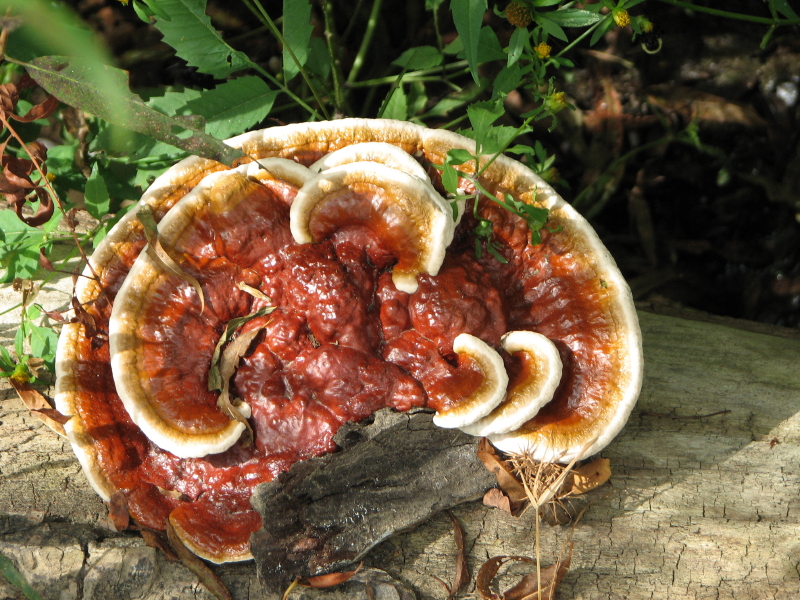
It was both fascinating and oddly repellent. On another nearby log was yet another fungi which I could identify as a fresh bracket or shelf  fungus.  The bright colors also seemed on the lurid side to me.

Minnie talked to me about what a wonderful system that nature has created to break things down after death.  Like these fungi were doing to what were once living trees.  She talked about how life depended on materials being able to decompose in order to release the nutrients that are needed for life to move forward.  This is what it means to live naturally and that we should look at the systems that the planet has in place and to learn from them.  With that, I took my leave and waved good-by to the old lady in the woods.

Read Full Post »

With the river receding all the Adventurer could do was wait and bide his time.  He came by the river and he was determined to leave the same way.  It hasn’t been all bad though…this has proven to be an interesting place and he has enjoyed many of the hikes he has made in the park.  It is a curious place though full of nature and history, but also marked by sights that seem inexplicable considering the importance of the setting.

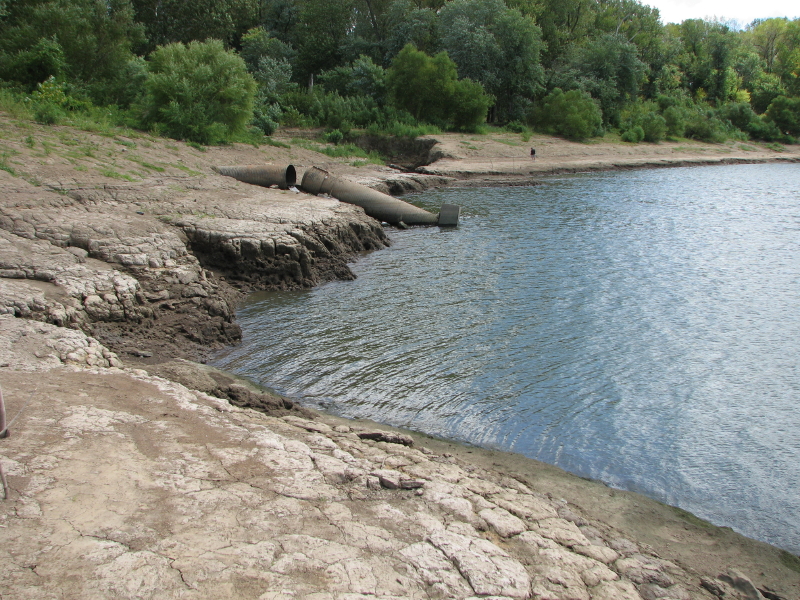
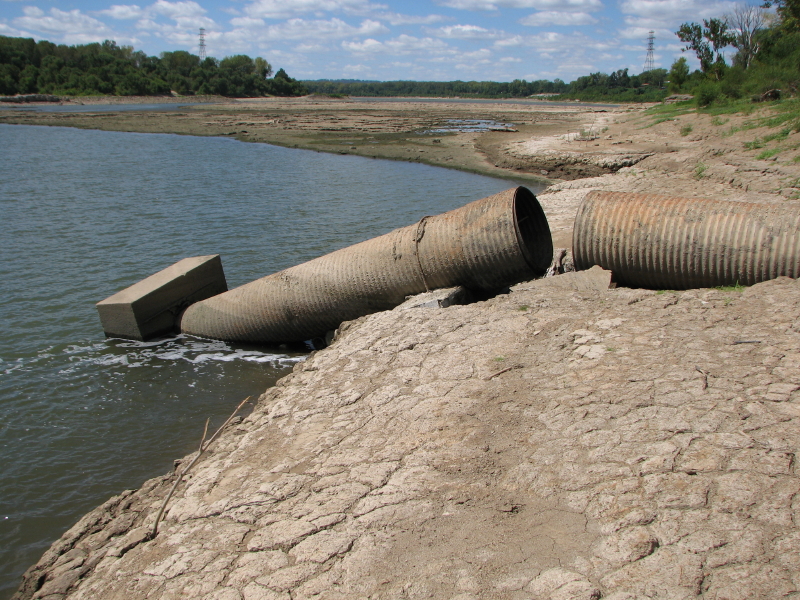
Take for instance this experience he had walking along the river’s edge in the western section of the park.  Passing herons stalking fish in the shallows, the Adventurer could see something obviously man-made jutting out of the riverbank and into the water and he moved closer to see what it was.  It kept getting bigger and bigger the nearer he came to it.

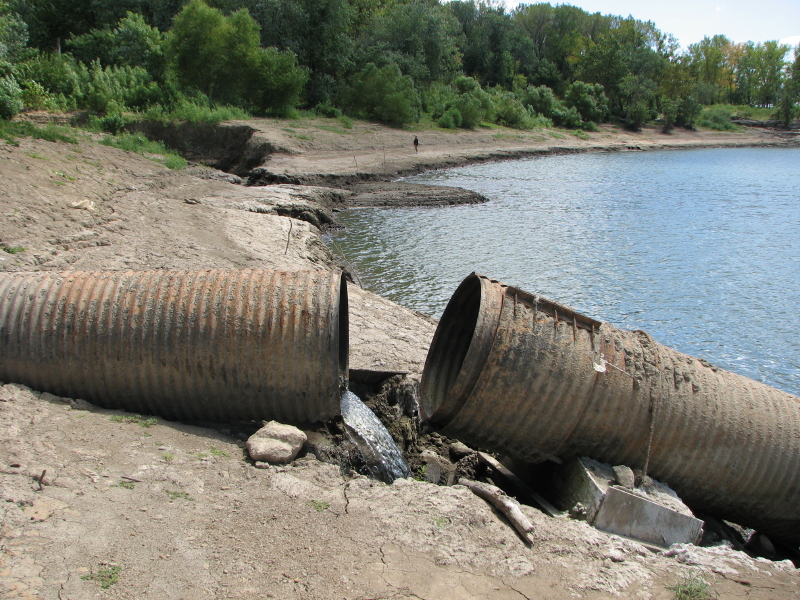
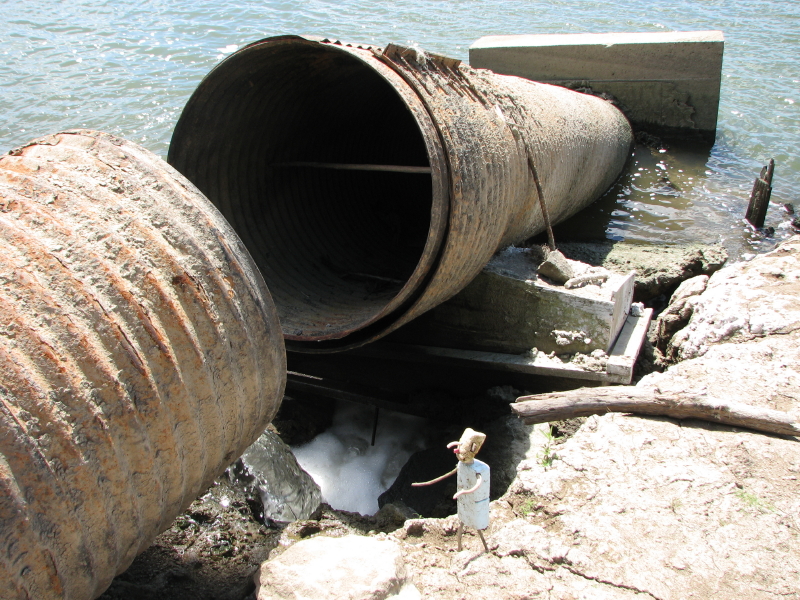
The closer the Adventurer approached the more he could make out the large, rusting metal pipe that had become exposed from the river’s retreating water level.  What had happened to the raft to strand it had also exposed this pipe for all to see.  It also appeared to have separated in the process.  The Adventurer’s heart began to sink.

Wow thought the Adventurer!  This is normally hidden from view when the river is higher up the bank.  What in the world could this be and what is it doing in this fine park?  The Adventurer’s head began to fill with questions.

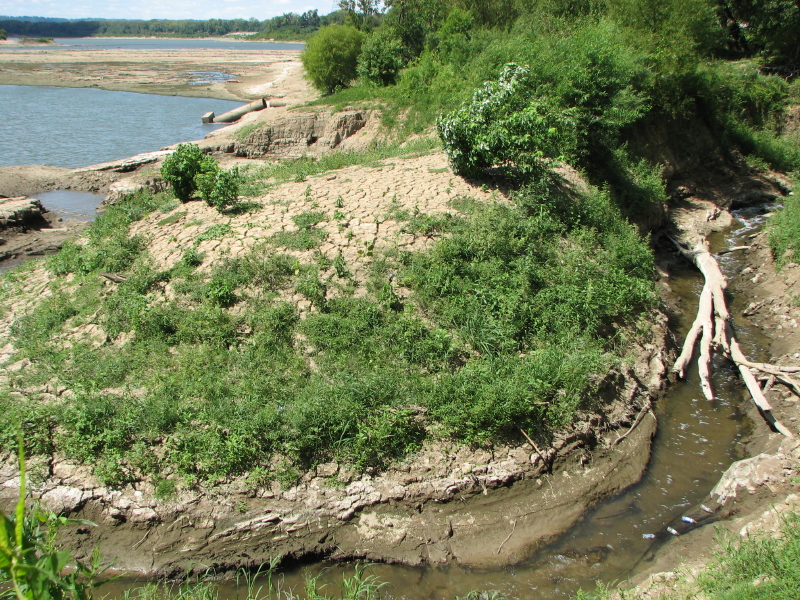
This was another man-made waterfall, but one our friend did not expect to find.  The water flowing from the pipe appeared clear, but foam and suds were produced from where it splashed into the river.  The Adventurer’s fine sense of smell thought he detected the odor of laundry detergent?  He had noticed something similar emanating from an adjacent creek that was fed by a storm sewer from the nearby town.  It had been a long time since the last storm…where was this water originating from and what was it doing emptying into the river?  Was this treated water and could it be harmful in any way?  How long had this pipe been hidden here and was it even necessary?  The Adventurer thought all these things and more.
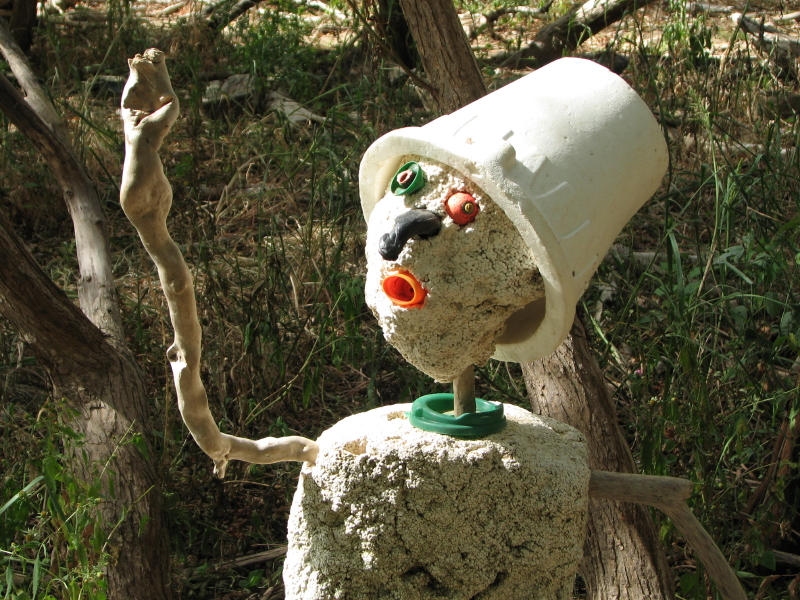
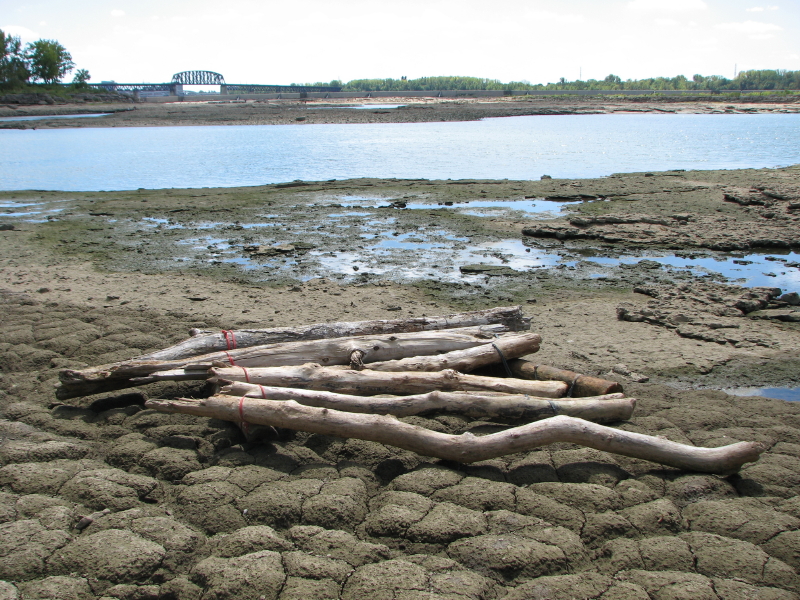
He walked by the pipe and turned to look back at it.  The Adventurer was struck by its hardness and rigidity of form and thought how many of man’s solutions to problems could be described in the same way.  What an eye sore.  Once upon a time this could be thought of as a solution to something, but was it appropriate now?  You could tell that nature had intervened and was eroding it away from its supports.  The Adventurer just shook his head.  Water is life and fresh water is the fastest disappearing resource.  Can we afford to keep dumping everything into the river as though it didn’t matter? The Adventurer thought of all the other little towns and cities along the river’s route and his chest tightened and he felt even more trapped than before.  Surely in this place that is so important to the record of life and the history of this country…we can do better right?

Read Full Post »

« Newer Posts - Older Posts »